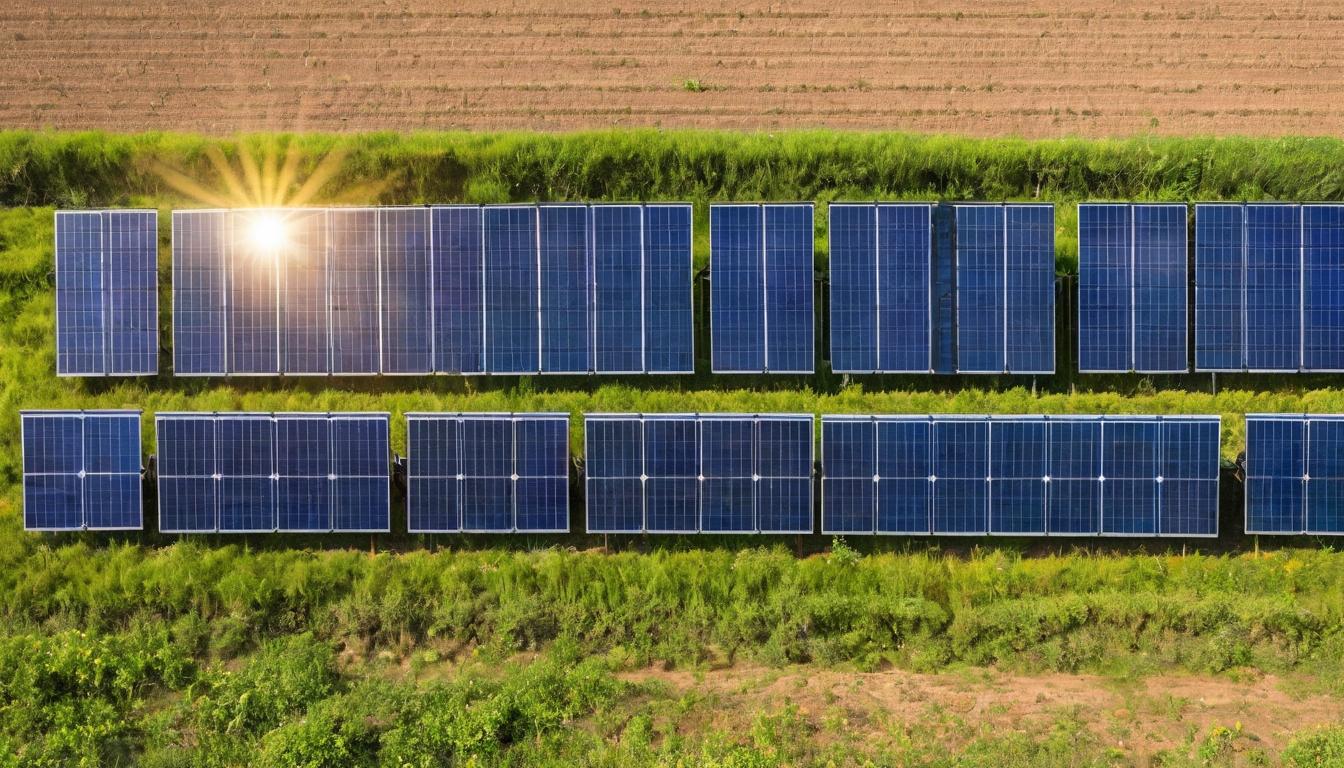
The sun-drenched fields of solar panels shimmer like technological oases, promising a future free from fossil fuel dependence. But beneath that gleaming surface lies a growing shadow—one that industry insiders whisper about in hushed tones at renewable energy conferences. As millions of panels reach the end of their 25-30 year lifespans, we're facing a waste tsunami that could undermine the very sustainability solar promises.
Walk through any solar farm today and you'll see rows of panels silently converting photons to electrons. What you won't see are the toxic materials embedded within: lead, cadmium, and other heavy metals that make recycling complex and expensive. While manufacturers tout recyclability rates of 90% or higher, the reality on the ground tells a different story. Most panels still end up in landfills, where their toxic components can leach into soil and groundwater.
Europe has taken the lead with mandatory recycling programs, but in the United States, regulations remain a patchwork of state-level initiatives. California leads with its 2016 panel recycling law, but even there, implementation has been sluggish. The economics simply don't work yet—it costs more to recycle a panel than to manufacture a new one, creating a perverse incentive to discard rather than recover.
Meanwhile, innovation races against the clock. Researchers are developing panels designed for easy disassembly, using fewer toxic materials and more recyclable components. Some companies are experimenting with biological materials that degrade safely, while others work on chemical processes to separate silicon from glass more efficiently. But these solutions remain years from widespread adoption.
Homeowners face their own reckoning. That rooftop installation from 1998? It's nearing retirement. Many discover that removal costs can run thousands of dollars, with no clear path for responsible disposal. Some installers offer take-back programs, but these often involve shipping panels overseas to countries with lax environmental regulations—simply exporting the problem.
The industry's response has been characteristically sunny. Trade associations point to improving recycling technologies and voluntary programs. But critics argue this amounts to kicking the can down the road. Without federal mandates and proper funding for recycling infrastructure, we risk creating an environmental disaster in the name of clean energy.
There's hope in unexpected places. Startups are finding value in what others see as waste. Silver from contacts, silicon from cells, aluminum from frames—all can be recovered and reused. Some companies even repurpose old panels for off-grid applications where efficiency matters less than availability. These niche solutions won't solve the problem alone, but they point toward a circular economy approach.
The solar industry stands at a crossroads. Will it address its waste problem proactively, or wait until mountains of discarded panels force regulatory action? The answer will determine whether solar remains a truly sustainable solution or becomes another example of short-term thinking with long-term consequences. For consumers, the message is clear: ask about end-of-life plans before installing, and pressure manufacturers to take responsibility for their products from cradle to grave.
As the sun sets on today's solar panels, we must ensure their legacy isn't a toxic one. The technology that promises to free us from fossil fuels shouldn't chain us to new environmental burdens. With proper planning, investment, and regulation, we can make solar's afterlife as bright as its present—but the clock is ticking, and the panels are piling up.
The solar revolution's hidden costs: What they don't tell you about panel disposal