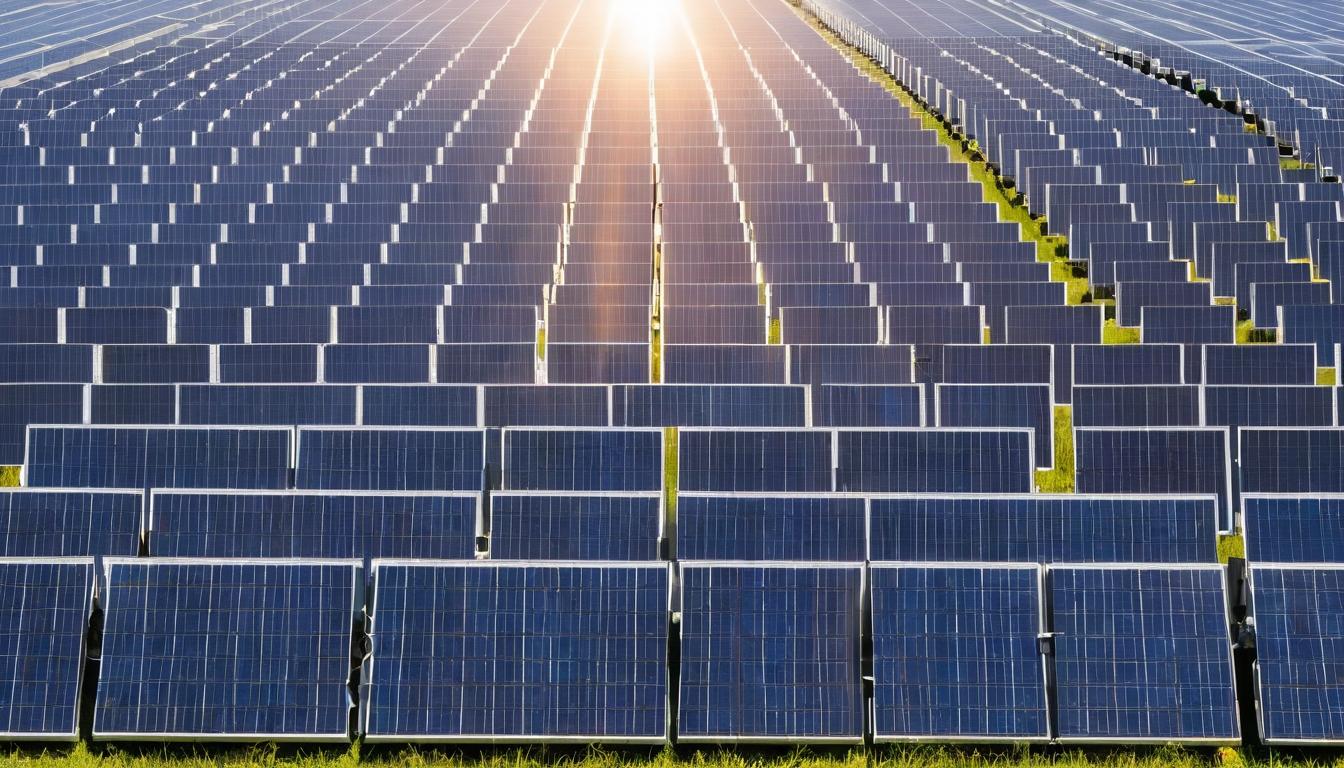
The solar panels glisten on rooftops across America, promising clean energy and lower bills. But behind this gleaming facade lies a story few want to tell—a tale of what happens when the sun sets, when clouds gather, and when the grid can't handle the feast-or-famine nature of solar power.
Walk through any suburban neighborhood today, and you'll see the evidence of our solar obsession. Installations have skyrocketed, with residential solar growing 34% last year alone. Homeowners are flocking to solar like pilgrims to a new religion, convinced they're saving both money and the planet. The sales pitches are compelling: 'Go green!' 'Slash your electric bill!' 'Energy independence!' But the reality, as with most revolutions, is more complicated than the brochures suggest.
Here's the inconvenient truth nobody's discussing at those sunny rooftop demonstrations: Solar panels only produce electricity when the sun shines. That seems obvious, but the implications are staggering. As solar penetration increases, we're creating a power system that's abundant at noon and starving by dinner time. The famous 'duck curve'—that dip in net load when solar floods the grid—is becoming a 'canyon curve' in some regions, threatening grid stability and forcing utilities to scramble.
Meanwhile, the battery storage solution touted as solar's perfect partner remains stubbornly expensive. Yes, prices have dropped 89% over the past decade, but adding adequate storage still increases system costs by 50-100%. Most homeowners opt for grid-tied systems without storage, essentially using the utility as their free battery. This creates what energy economists call the 'value of solar' problem—solar owners benefit from the grid without paying their fair share of maintaining it.
Then there's the recycling question. Solar panels last 25-30 years, and the first massive wave of installations is approaching retirement. We're about to face a tsunami of solar waste—millions of panels containing lead, cadmium, and other toxic materials. Current recycling rates hover around 10%, and the economics don't work. It costs $20-30 to recycle a panel but only $1-2 to landfill it. We're building an environmental solution that creates its own environmental problem.
The manufacturing story has its own shadows. While solar panels produce clean energy, making them requires significant energy and resources. Most panels come from China, where coal-fired electricity dominates manufacturing. The carbon payback period—the time it takes for a panel to offset the emissions from its production—can range from 1-4 years depending on location and technology. That's still a net positive, but it's not the instant climate solution we imagine.
Perhaps most troubling is the equity issue. Solar adoption follows income lines, with wealthy households installing systems at six times the rate of low-income households. These homeowners benefit from tax credits, net metering, and increased property values, while renters and lower-income residents pay more for grid maintenance through rising rates. We're creating a two-tier energy system: solar haves and have-nots.
None of this means we should abandon solar. The technology is genuinely revolutionary, with costs dropping 90% since 2010. Solar now represents the cheapest form of new electricity generation in history. But we need to stop treating it as a magic bullet and start having honest conversations about its limitations and costs.
The solutions exist if we're willing to confront reality. Time-of-use rates that reflect actual grid conditions would help. Community solar programs can expand access beyond homeowners. Investment in grid-scale storage and transmission would smooth solar's variability. And we need to fund serious recycling infrastructure before the waste wave hits.
Solar power represents humanity's best hope for clean, abundant energy. But like any powerful technology, it comes with trade-offs and unintended consequences. The true path forward isn't blind enthusiasm or cynical rejection—it's clear-eyed assessment and intelligent integration. The sun will keep shining on our solar panels. The question is whether we'll have the wisdom to manage what happens when it doesn't.
The solar revolution's hidden costs: What happens when the sun doesn't shine?