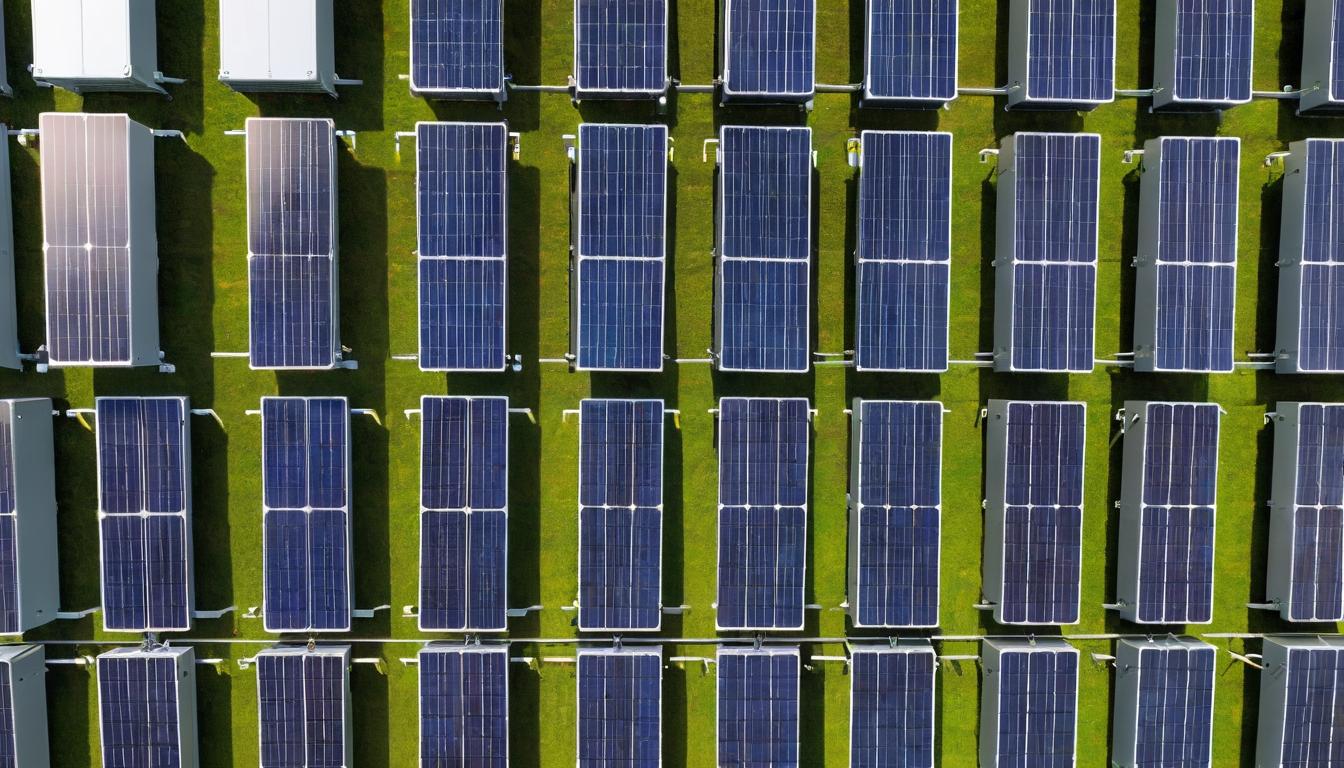
Across suburban rooftops and sprawling farmlands, a quiet revolution is unfolding that's reshaping how Americans power their lives. What began as a niche environmental movement has exploded into a mainstream energy transformation, driven by plummeting costs, technological breakthroughs, and a growing recognition that clean energy isn't just good for the planet—it's good for wallets too.
The numbers tell a compelling story. Solar installation costs have dropped more than 70% over the past decade, making rooftop systems accessible to middle-class families who once viewed solar as a luxury item. Meanwhile, utility-scale solar farms are now the cheapest form of new electricity generation in many parts of the country, undercutting even natural gas and coal on pure economics alone.
But the real story isn't just in the spread of familiar blue panels. A wave of innovation is bringing solar technology to unexpected places. Building-integrated photovoltaics are turning entire building facades into power generators, while floating solar arrays are popping up on reservoirs and lakes, solving land-use conflicts while reducing water evaporation. Agricultural operations are discovering that solar panels and crops can coexist through 'agrivoltaics,' where elevated arrays provide shade for sensitive plants while generating power overhead.
The battery storage revolution has been solar's perfect partner. Homeowners who once sent excess power back to the grid are now storing it for evening use, while utilities are deploying massive battery banks that smooth out solar's intermittent nature. This one-two punch of solar plus storage is making the dream of 24/7 clean energy increasingly realistic, even as critics continue to question renewable reliability.
Behind the scenes, manufacturing shifts are creating both opportunities and challenges. While China dominates global solar panel production, American companies are finding niches in specialized products and advanced manufacturing techniques. The Inflation Reduction Act's domestic content incentives are sparking renewed investment in U.S. solar manufacturing, though the industry still faces supply chain vulnerabilities and trade policy uncertainties.
For homeowners, the solar decision has never been more complex—or more rewarding. The combination of federal tax credits, state incentives, and creative financing options means many families can go solar with little or no money down. But the market is crowded with installers offering wildly different proposals, leaving consumers to navigate a maze of equipment choices, warranty terms, and financial arrangements.
The community solar movement is solving one of solar's biggest limitations: the rooftop dilemma. For the nearly half of Americans who can't install rooftop systems because they rent, have shaded roofs, or live in multi-unit buildings, shared solar arrays allow participation in the clean energy transition. These projects let subscribers receive credits on their utility bills for power generated at off-site solar farms, democratizing access to solar savings.
As solar penetration increases, grid operators face new challenges in managing the duck curve—that dramatic dip in electricity demand during sunny afternoons when solar generation peaks. The solutions emerging include smart inverters that can help stabilize grid voltage, time-of-use rates that encourage consumption when solar is abundant, and advanced forecasting that helps utilities anticipate solar output with remarkable accuracy.
The environmental benefits extend beyond carbon reduction. Solar installations are creating habitat for pollinators when planted with native vegetation beneath panels. Water-stressed regions benefit from solar's minimal water requirements compared to fossil fuel and nuclear plants. And the land-use efficiency of solar continues to improve, with newer panels generating more power from the same footprint.
Looking ahead, the solar industry faces both headwinds and tailwinds. Supply chain constraints, interconnection delays, and skilled labor shortages threaten to slow growth. But technological improvements continue to drive efficiency gains, while new business models and financing structures make solar accessible to more customers. The coming wave of panel recycling infrastructure will address end-of-life concerns, creating a truly circular solar economy.
What's clear is that solar energy has moved from the fringe to the forefront of America's energy conversation. It's no longer a question of if solar will play a major role in our energy future, but how quickly and how broadly it will transform our grid, our economy, and our daily lives. The sun is rising on a new American energy landscape, and it's brighter than anyone predicted.
The solar revolution happening in America's backyards and boardrooms