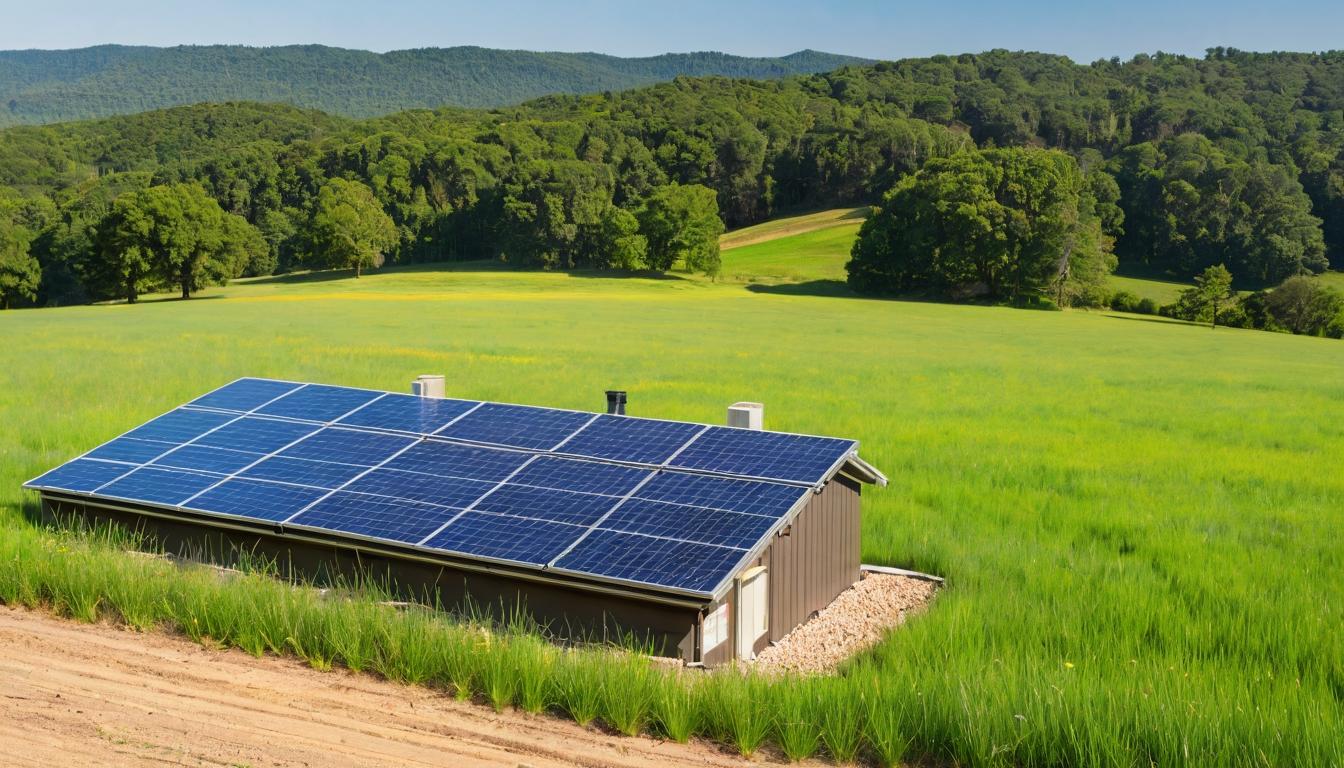
While politicians debate energy policy in Washington, a quiet revolution is unfolding across American rooftops, farmlands, and deserts. This isn't about grandiose government programs or billion-dollar corporate initiatives—it's about homeowners, small businesses, and communities taking power generation into their own hands. The solar panels multiplying across the country represent more than just clean energy; they're symbols of a fundamental shift in how Americans think about electricity, independence, and their relationship with the grid.
What's driving this transformation isn't just environmental consciousness, though that certainly plays a role. The real story lies in economics so compelling they're rewriting the rules of energy. Solar panel costs have plummeted 90% over the past decade, making what was once a luxury for the wealthy accessible to middle-class families. But here's the twist many aren't talking about: the savings aren't just about lower electricity bills. Homeowners are discovering that solar installations increase property values by an average of 4.1%, according to recent studies, creating what one installer called "the only home improvement that pays you back monthly."
Behind the scenes, technological innovations are accelerating this shift in ways most consumers never see. Bifacial solar panels, which capture sunlight from both sides, are boosting energy production by up to 30% in certain installations. Meanwhile, perovskite solar cells—once confined to laboratory experiments—are nearing commercial viability with efficiency rates that could soon surpass traditional silicon panels. These aren't incremental improvements; they're game-changers that could make solar the cheapest form of electricity in history within this decade.
The storage revolution might be even more significant than the panels themselves. Battery technology has evolved from clunky, expensive units to sleek systems that fit neatly in garages and basements. The real breakthrough isn't just in storing solar energy for nighttime use—it's in creating what energy experts call "the virtual power plant." Thousands of home battery systems, networked together, can provide grid stability during peak demand, turning individual homeowners into micro-utilities that actually get paid for supporting the broader electrical system.
Financing innovations have removed the last major barrier to adoption. Where once homeowners needed $20,000-$30,000 in cash or complicated loans, power purchase agreements (PPAs) and solar leases now allow installation with zero upfront costs. The model is simple: a third party owns the panels, the homeowner pays for the electricity they produce at rates below utility prices, and everyone wins. This financial creativity has opened solar to renters, low-income households, and communities previously excluded from the clean energy transition.
Community solar projects represent perhaps the most democratic development in energy since rural electrification. These shared solar farms allow apartment dwellers, those with shaded roofs, or anyone unable to install panels to buy into a local solar array and receive credits on their utility bills. From Brooklyn to Boulder, these projects are creating energy communities that transcend traditional utility-customer relationships, fostering local investment and keeping energy dollars circulating within neighborhoods rather than flowing to distant corporations.
Manufacturing is undergoing its own quiet transformation. While China dominates global solar panel production, American companies are finding niches in high-efficiency panels, specialized mounting systems, and innovative manufacturing processes. The Inflation Reduction Act's domestic content provisions are accelerating this trend, creating what industry insiders call "the reshoring ripple effect"—not just in panel manufacturing, but in everything from racking systems to inverters to the specialized glass that protects photovoltaic cells.
The regulatory landscape is shifting beneath everyone's feet. Net metering policies—the rules governing how solar owners get credited for excess energy—are being rewritten in states across the country. Some utilities are fighting solar growth with fees and rate structure changes, while progressive states are creating new models that recognize solar's value to the grid. This regulatory tug-of-war will determine whether solar remains a niche option or becomes the backbone of America's energy system.
Workforce development tells another compelling story. The solar industry now employs more Americans than coal, oil, and gas extraction combined. These aren't just installation jobs—they're careers in engineering, sales, project management, and maintenance that can't be outsourced. Training programs are popping up at community colleges across the country, creating pathways to middle-class careers that don't require four-year degrees. The human dimension of this transition might be its most transformative aspect.
Looking forward, the integration of solar with electric vehicles creates a synergy that could accelerate both technologies. Smart chargers that coordinate with home solar systems, vehicle-to-grid technology that turns EVs into mobile batteries, and solar carports that charge while providing shade—these innovations point toward an integrated energy ecosystem where homes, transportation, and the grid work in harmony rather than conflict.
The ultimate irony? The solar revolution isn't being led by energy companies or government mandates. It's being driven by homeowners comparing prices on EnergySage, farmers leasing marginal land to solar developers, and community groups pooling resources for shared projects. This bottom-up transformation suggests that America's energy future might not be decided in boardrooms or legislative chambers, but on millions of individual rooftops and in thousands of local communities making practical decisions about their energy independence.
The hidden revolution: How solar power is quietly transforming America's energy landscape