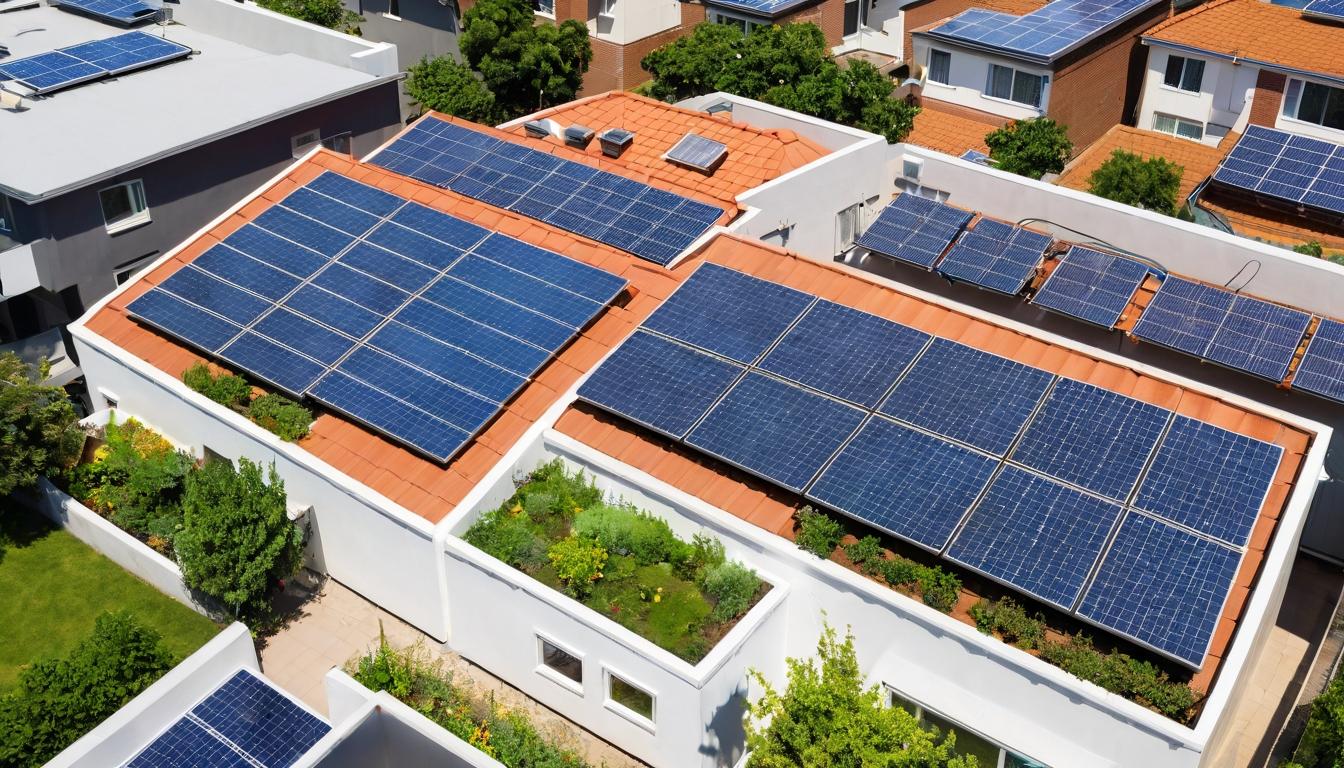
If you think solar panels are just those shiny rectangles on suburban rooftops, you're missing the real story. There's a quiet revolution happening right now—one that's reshaping everything from how we power our homes to who controls our energy future. While most people focus on the panels themselves, the real action is happening behind the scenes, in places most consumers never see.
Let's start with something that might surprise you: solar panels are getting smarter, not just cheaper. The latest models coming out of research labs aren't just about converting sunlight to electricity more efficiently—they're learning to communicate. Imagine panels that can tell you exactly when they need cleaning, or that can automatically adjust their angle throughout the day without any moving parts. This isn't science fiction; it's happening in pilot projects across the country right now.
Then there's the installation revolution. Remember when putting solar on your roof meant weeks of construction and a small army of workers? Those days are fading fast. New mounting systems are cutting installation time by more than half, while drone-assisted site surveys are eliminating the need for risky roof climbs. The result? Solar is becoming accessible to people who couldn't afford it before, not because the panels are cheaper (though they are), but because the whole process is becoming simpler and faster.
But here's where it gets really interesting: solar is changing our relationship with energy companies. For decades, we've been passive consumers—paying our bills and hoping the lights stay on. Now, with solar-plus-storage systems becoming more common, homeowners are becoming mini-utilities. They're not just using power; they're selling it back to the grid, storing it for later, and even sharing it with neighbors. This shift is causing headaches for traditional utilities, but it's creating opportunities for communities to take control of their energy destiny.
Speaking of communities, have you heard about solar gardens? These aren't literal gardens, but shared solar installations that let people who can't put panels on their own roofs—renters, apartment dwellers, people with shady yards—still benefit from solar power. You buy or lease a share of a larger installation, and the power it generates gets credited to your utility bill. It's like having solar panels without actually having them on your property. This model is spreading faster than anyone predicted, opening solar to millions who were previously locked out.
Now let's talk about something most solar companies don't advertise: what happens to panels when they die. The first generation of solar installations is starting to reach the end of its life, and we're facing a wave of panels that need to be disposed of or recycled. The good news? Researchers have developed methods to recover up to 95% of the materials in old panels, including valuable silicon and silver. The bad news? We don't have enough recycling facilities yet, and too many panels are still ending up in landfills. This is the next big challenge for the industry—and an opportunity for entrepreneurs.
Meanwhile, solar is creeping into places you might not expect. Floating solar farms on reservoirs and lakes are multiplying, solving two problems at once: they generate clean power while reducing water evaporation. Solar canopies over parking lots are turning heat islands into power plants. Even highways are getting in on the action, with experimental solar-paved roads being tested in several countries. The message is clear: any surface that gets sunlight is a potential solar panel.
But here's the most important shift, and the one that gets the least attention: solar is becoming a social justice tool. Low-income communities, which often suffer most from pollution and high energy costs, are finally getting access to solar through innovative financing models and community-led projects. These aren't charity cases—they're smart investments that save money, create local jobs, and reduce pollution all at once. The solar revolution isn't just about technology; it's about who benefits from that technology.
So what's holding us back? Surprisingly, it's not technology or cost anymore. The biggest barriers are bureaucratic: outdated building codes, utility regulations designed for a different era, and a patchwork of local rules that make going solar confusing. The states and countries that are streamlining these processes are seeing solar adoption skyrocket, while others are falling behind. The lesson is clear: the future belongs to places that make it easy to go solar, not just cheap.
As I write this, researchers are working on the next generation of solar technology—panels that work on cloudy days, in the rain, even at night by harvesting heat radiating back into space. Others are developing solar windows, solar paint, and solar fabrics that could turn entire buildings into power plants. The revolution that started with those shiny rectangles on rooftops is just beginning, and its full impact is still beyond what most of us can imagine.
The truth is, solar panels are no longer just an alternative energy source—they're becoming the backbone of a new energy system, one that's decentralized, democratic, and resilient. They're changing how we think about power, who controls it, and what our relationship with energy can be. And the most remarkable part? This revolution is happening quietly, panel by panel, roof by roof, community by community, while most of the world isn't even paying attention.
The hidden revolution: how solar panels are quietly transforming our world