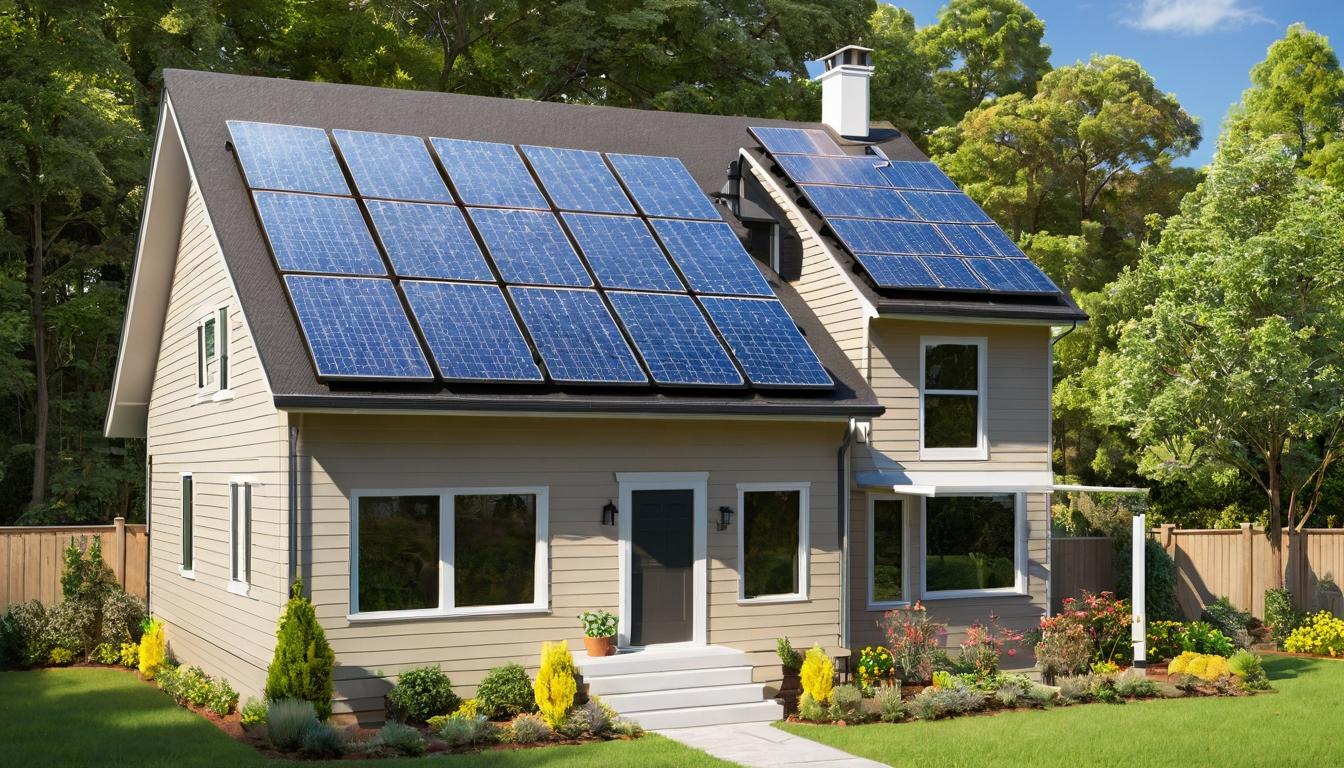
While most homeowners focus on the immediate savings from their solar panels, a deeper transformation is unfolding across rooftops and communities nationwide. The real story isn't just about kilowatt-hours and payback periods—it's about how this technology is reshaping everything from home values to neighborhood dynamics, creating unexpected winners and challenging long-held assumptions about energy independence.
Walk through any suburban neighborhood with solar installations, and you'll notice something curious: the panels themselves are becoming conversation starters. Neighbors who previously exchanged only polite nods now gather to compare production data, discuss installer experiences, and debate the merits of different financing options. This social ripple effect, documented in community solar programs from California to Massachusetts, suggests that solar adoption follows patterns more reminiscent of viral trends than traditional home improvements.
Beneath these surface interactions lies a more profound economic shift. Real estate agents in solar-saturated markets report that homes with owned systems consistently sell faster and at higher premiums than comparable non-solar properties. The data reveals an interesting nuance: leased systems don't command the same premium, suggesting that buyers increasingly understand the difference between true ownership and third-party arrangements. This market sophistication represents a quiet revolution in how Americans evaluate property value.
Meanwhile, the technology itself continues to evolve in ways that defy conventional wisdom. While efficiency improvements grab headlines, the real innovation story is happening in durability and integration. New mounting systems that eliminate roof penetrations, integrated solar shingles that blend seamlessly with traditional roofing materials, and smart inverters that communicate with home energy management systems are creating installations that work harder and last longer than ever before.
Perhaps most surprisingly, solar installations are revealing previously hidden aspects of home construction and maintenance. Installers regularly discover roof damage, outdated electrical systems, and structural issues that homeowners never knew existed. In this sense, the solar assessment process has become an unexpected home inspection, forcing necessary repairs that might otherwise have gone unnoticed until catastrophic failure.
The financial landscape continues to shift beneath our feet. While federal tax credits remain stable, state and local incentives evolve constantly, creating a patchwork of opportunities that vary dramatically by zip code. Savvy homeowners now navigate complex layers of utility rebates, performance-based incentives, and innovative financing options like solar-specific home equity products. This financial complexity has spawned a new category of solar-savvy financial advisors who help homeowners optimize not just their energy production, but their overall financial picture.
On the utility side, the relationship between solar homeowners and traditional power providers grows increasingly complex. Net metering policies—the rules governing how excess solar energy gets credited—vary dramatically by state and utility, creating what some analysts call a 'policy lottery' where identical systems yield dramatically different financial returns based solely on location. This regulatory patchwork has become a battleground where utilities, solar advocates, and consumer protection groups clash over the future of the grid.
Looking forward, the most exciting developments may come from unexpected intersections between solar and other technologies. Electric vehicle owners increasingly treat their cars as mobile batteries, using bidirectional charging to power homes during outages or peak rate periods. Smart home systems now integrate solar production data with appliance usage patterns, automatically running dishwashers and laundry machines when the sun shines brightest. These integrations transform solar from a standalone power source into the nervous system of a truly intelligent home.
The environmental story, while well-known, continues to surprise researchers. Beyond carbon reduction, studies now show that widespread solar adoption reduces local air pollution, decreases water consumption (compared to fossil fuel power generation), and even creates microclimates beneath panels that benefit certain crops in agrivoltaic installations. These secondary benefits, rarely discussed in sales presentations, represent what economists call 'positive externalities' that benefit entire communities.
Ultimately, the solar revolution's most lasting impact may be psychological. Homeowners with panels report feeling more connected to natural rhythms, more aware of their consumption patterns, and more invested in their local communities. This shift from passive consumer to active producer represents a fundamental change in how Americans relate to energy—and to each other. As one longtime solar owner in Arizona told me, 'It's not just about saving money anymore. It's about taking responsibility for my little piece of the world.'
The hidden revolution: how solar panels are quietly transforming more than just your electric bill