While most people picture solar panels as shiny rectangles on suburban roofs, a deeper investigation reveals they're becoming something far more revolutionary. They're not just generating electricity—they're reshaping architecture, agriculture, and even urban planning in ways that rarely make headlines. If you think you know what solar technology looks like today, prepare to have your assumptions dismantled.
Walk through any major city's construction sites, and you'll notice something subtle but significant: building materials are changing. Solar panels are no longer add-ons but integrated components. Architects are designing entire facades that generate power, turning skyscrapers into vertical power plants. In Europe, solar windows that maintain transparency while harvesting energy are already being installed in commercial buildings. This isn't futuristic speculation—it's happening now, with projects from Berlin to Boston quietly rewriting construction codes.
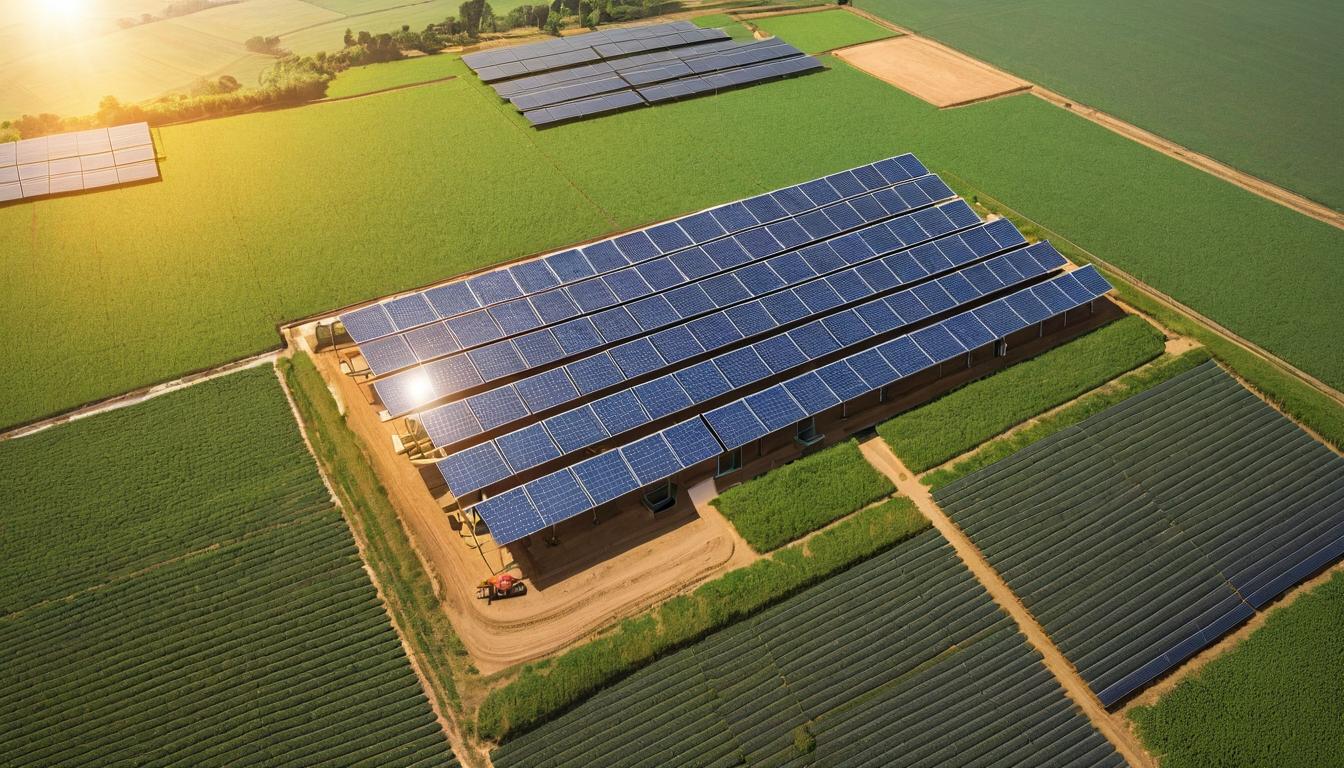
Meanwhile, farmers are discovering that solar panels and crops can thrive together in what researchers call 'agrivoltaics.' Instead of choosing between food and power, innovative installations are proving both can coexist. In Japan, solar arrays elevated above tea fields actually improve crop quality by providing partial shade during hottest hours. In Massachusetts, blueberry bushes flourish under carefully spaced panels that reduce water evaporation. These dual-use systems could address two critical challenges simultaneously: renewable energy expansion and sustainable food production.
Perhaps most surprisingly, solar technology is becoming almost invisible. Solar roof tiles that mimic traditional materials so convincingly that neighbors can't tell the difference. Thin-film panels flexible enough to wrap around curved surfaces or integrate into backpacks and vehicles. The aesthetic revolution matters because it removes one of the last psychological barriers to adoption—the fear that clean energy means compromising on design.
Behind these visible changes lies a less glamorous but equally important transformation: how solar systems are financed and owned. Community solar projects allow renters and those with unsuitable roofs to buy shares in off-site installations. New financing models are emerging where third parties install and maintain systems at no upfront cost to homeowners, who simply purchase the electricity generated. This democratization of access could prove more impactful than any technological breakthrough.
Even recycling is undergoing reinvention. As early solar installations reach end-of-life, companies are developing processes to recover 95% of materials for reuse in new panels. This circular approach addresses what critics once called solar's 'dirty secret'—the waste problem—while creating new industries around panel reclamation.
The most compelling story isn't about efficiency percentages or cost declines (though both continue impressively). It's about solar technology escaping its rectangular box and becoming something adaptable, integrated, and increasingly invisible. The panels disappearing into building materials, blending with farmland, and powering communities through shared ownership represent a quiet revolution that's changing more than where our electrons come from.
What makes this moment particularly fascinating is the convergence of multiple trends: material science breakthroughs, innovative business models, and changing cultural acceptance. Solar technology has moved from specialist obsession to background infrastructure—the kind of transformation that happens so gradually we might miss its significance unless we look closely. The evidence suggests we're not just adopting solar panels; we're learning to think with them, designing our world around their capabilities in ways that will seem obvious in retrospect.
This integration represents solar power's maturation from alternative energy to fundamental building block. The next time you see what looks like an ordinary roof, window, or field, look closer. There's a good chance you're seeing the future, cleverly disguised as the present.
The hidden revolution: How solar panels are quietly transforming more than just energy