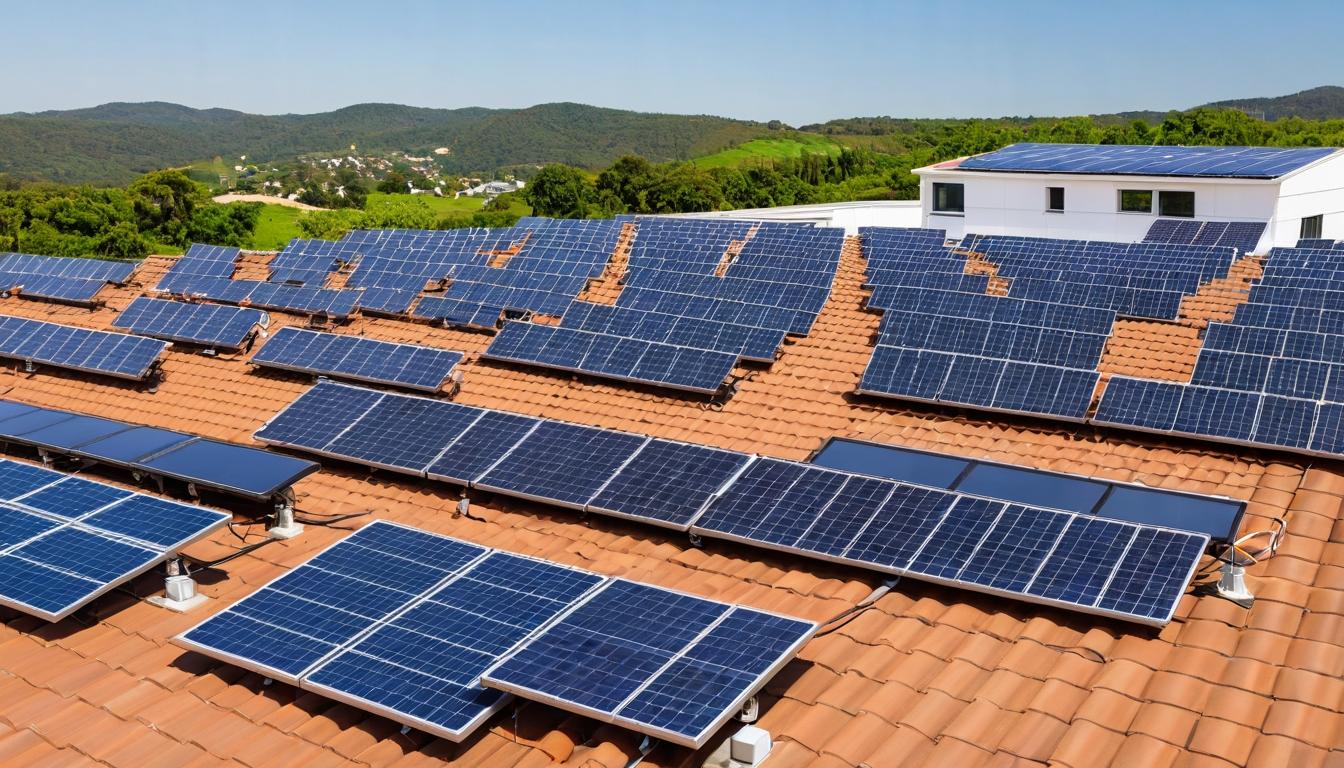
If you've driven through rural America lately, you might have noticed something strange happening in the fields. No, it's not another crop rotation or experimental farming technique. It's something far more transformative: solar panels sprouting up like technological wildflowers, quietly converting sunlight into electricity while most of us aren't looking. This isn't just about putting panels on rooftops anymore—it's a full-scale energy revolution happening right under our noses, and it's changing everything from how we power our homes to who controls our energy future.
What makes this shift particularly fascinating isn't just the technology itself, but how it's being deployed. While residential solar gets most of the attention, the real action is happening at the utility scale. Massive solar farms are popping up in places you'd least expect—from abandoned industrial sites to agricultural land that's been fallow for years. These projects aren't just generating clean energy; they're creating new economic opportunities in communities that have been left behind by the traditional energy economy. Farmers are discovering they can earn more from leasing a portion of their land for solar than from growing crops on it, while towns that once relied on coal or manufacturing are finding new life in the solar industry.
But here's the twist that most people miss: the solar panels themselves are becoming smarter. We're not just talking about better efficiency ratings or shinier silicon. The latest generation of panels comes equipped with built-in monitoring systems, micro-inverters, and even self-cleaning surfaces. Some can now communicate with your home energy management system, your electric vehicle charger, and the grid itself, creating a seamless energy ecosystem that optimizes every watt. This isn't science fiction—it's happening right now, and it's making solar more accessible and effective than ever before.
Perhaps the most surprising development is how solar is changing the relationship between consumers and utilities. For decades, we've been passive recipients of electricity, paying whatever rate the utility company decided to charge. Solar, particularly when combined with battery storage, is turning that model on its head. Homeowners and businesses are becoming mini-utilities themselves, generating their own power and even selling excess back to the grid. This shift is creating tension with traditional utilities, but it's also forcing them to innovate in ways we haven't seen since the early days of electrification.
The financial landscape of solar is undergoing its own quiet revolution. While the federal investment tax credit gets most of the headlines, a more interesting story is unfolding at the state and local levels. Innovative financing models like community solar programs are making solar accessible to renters and low-income households who previously couldn't participate. Property-assessed clean energy programs are removing upfront cost barriers, while new insurance products are protecting solar investments against everything from hailstorms to technological obsolescence. The result? Solar is becoming less of a luxury and more of a mainstream energy option.
What's particularly compelling about this solar revolution is how it's intersecting with other technological trends. Electric vehicles aren't just cars that don't use gas—they're mobile batteries that can store solar energy and feed it back into your home or the grid when needed. Smart home systems aren't just about convenience—they're about optimizing energy use to maximize solar self-consumption. Even something as simple as a water heater is being reimagined as a thermal battery that stores excess solar energy for later use. These connections are creating synergies that make the whole system more valuable than the sum of its parts.
The environmental benefits of solar are well-documented, but there's another story here that's often overlooked: the manufacturing and recycling side of the equation. As solar adoption grows, so does the need for sustainable production methods and end-of-life solutions. The industry is responding with everything from solar panels made with recycled materials to sophisticated recycling programs that recover valuable components. This circular approach isn't just good for the planet—it's becoming a competitive advantage as consumers and businesses increasingly prioritize sustainability in their purchasing decisions.
Looking ahead, the most exciting developments might not be in the panels themselves, but in how they're integrated into our built environment. Building-integrated photovoltaics are turning entire facades into power generators, while floating solar farms are making use of reservoirs and other water bodies. Even roads and sidewalks are being experimented with as potential solar surfaces. These innovations suggest that in the not-too-distant future, nearly every surface exposed to sunlight could be contributing to our energy needs.
What's clear from all these developments is that solar is no longer just an alternative energy source—it's becoming central to how we think about and use energy. The quiet revolution in our fields, on our rooftops, and in our communities is reshaping not just our energy infrastructure, but our relationship with power itself. And the most remarkable part? It's happening not through grand government mandates or corporate initiatives, but through millions of individual decisions by homeowners, businesses, and communities who've decided to take control of their energy future.
The hidden revolution: How solar panels are quietly reshaping our energy landscape