While politicians debate energy policy in Washington, a quiet revolution is unfolding across America's rooftops, farmlands, and commercial spaces. Solar power, once dismissed as a niche technology for environmental enthusiasts, has become the fastest-growing energy source in the United States for seven consecutive years. But this isn't the solar story you've heard before—this transformation is happening in ways that defy conventional wisdom and challenge established energy paradigms.
Walk through any suburban neighborhood today, and you'll notice something subtle but significant: solar panels have become as commonplace as satellite dishes were two decades ago. What began as a premium addition for eco-conscious homeowners has evolved into a mainstream financial decision. The economics have flipped so dramatically that in 42 states, going solar now costs less than traditional grid electricity over the system's lifetime. This isn't about saving the planet anymore—it's about saving money, and Americans are taking notice.
Behind this consumer revolution lies a technological upheaval that few outside the industry fully appreciate. Solar panel efficiency has increased by approximately 50% over the past decade while costs have plummeted by 90%. The panels going on roofs today generate nearly twice the power of those installed just ten years ago, and they're doing it with materials that would have seemed like science fiction to early solar pioneers. Perovskite-silicon tandem cells, bifacial modules that capture light from both sides, and smart inverters that optimize performance in real-time—these aren't laboratory curiosities but commercially available technologies changing the game.
Perhaps the most surprising development is where solar is growing fastest. Forget California and Arizona—the solar boom is now most dramatic in states like Texas, Florida, and North Carolina. These aren't traditionally progressive strongholds but practical markets responding to straightforward economics. In Texas, solar installations have increased by over 300% in three years, not because of government mandates but because it simply makes financial sense. The energy capital of America is becoming the solar capital too, with major oil and gas companies quietly investing billions in solar projects.
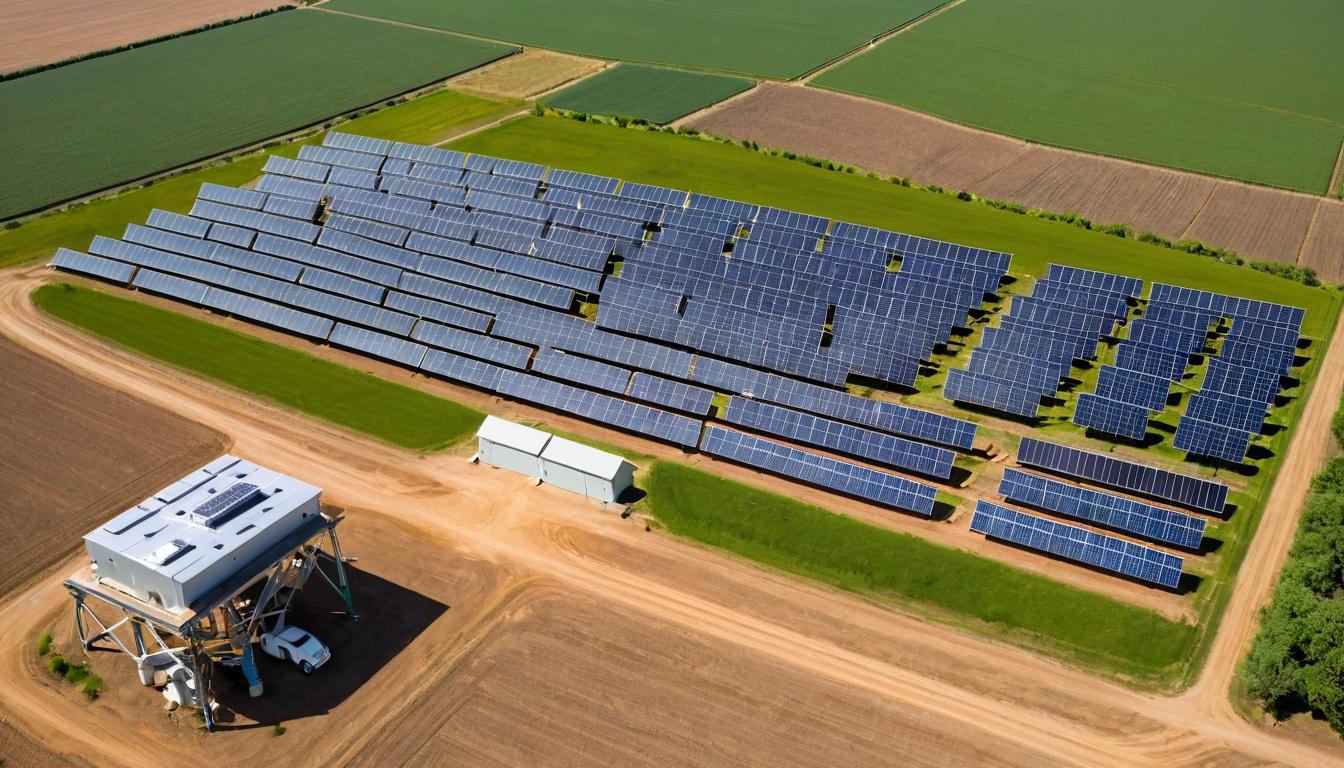
The residential story gets most of the attention, but the real action is happening at utility scale. Massive solar farms spanning thousands of acres are now competitive with natural gas plants on pure cost terms, without subsidies. What's changed isn't just the technology but the financing—solar projects have become so predictable and low-risk that institutional investors treat them like infrastructure bonds. Pension funds, insurance companies, and even university endowments are pouring money into solar because it offers stable, long-term returns in an uncertain economic climate.
Storage was always solar's Achilles' heel—the sun doesn't shine at night, after all—but that limitation is evaporating faster than anyone predicted. Battery costs have fallen by nearly 90% since 2010, creating a synergy that's transforming both technologies. Homeowners aren't just installing solar panels anymore; they're adding battery systems that store excess daytime energy for nighttime use. This combination creates what energy experts call 'the holy grail': true energy independence from the grid, or at least the ability to use the grid as backup rather than primary source.
The implications extend far beyond individual utility bills. Solar is reshaping America's physical and economic landscape in unexpected ways. Abandoned industrial sites, contaminated brownfields, and even closed landfills are being repurposed as solar farms. Farmers are discovering that leasing a portion of their land for solar provides more reliable income than crops in drought-prone regions. And in a twist that would have seemed impossible a decade ago, some of America's most conservative rural counties are becoming renewable energy hubs, creating jobs and tax revenue in communities that had watched traditional industries disappear.
This transformation faces obstacles, of course. Outdated grid infrastructure wasn't designed for decentralized power generation, creating technical challenges as solar penetration increases. Some utilities, seeing their traditional business models threatened, are pushing back with fees and regulations aimed at slowing solar adoption. And the supply chain issues that have affected every industry haven't spared solar, with panel prices experiencing temporary increases after years of steady declines.
Yet the momentum appears unstoppable. Solar now employs more Americans than coal, oil, and gas extraction combined. The industry has created jobs in every congressional district, building a political constituency that transcends traditional partisan divides. Even the Inflation Reduction Act's solar incentives, while significant, merely accelerate a trend that was already well established based on pure market economics.
What emerges from all this data and development is a picture of an energy transition that's less about ideology and more about innovation meeting opportunity. The solar panels on your neighbor's roof aren't just generating electricity—they're part of a fundamental reimagining of how America powers itself. This isn't the future anymore; it's what's happening right now, quietly and relentlessly, one rooftop at a time.
The hidden revolution: How solar is quietly transforming America's energy landscape