If you think you know solar power, think again. While headlines chase shiny new technologies and political battles, a quiet revolution is unfolding on rooftops, in corporate boardrooms, and across America's heartland—one that's reshaping our energy landscape in ways most people haven't noticed.
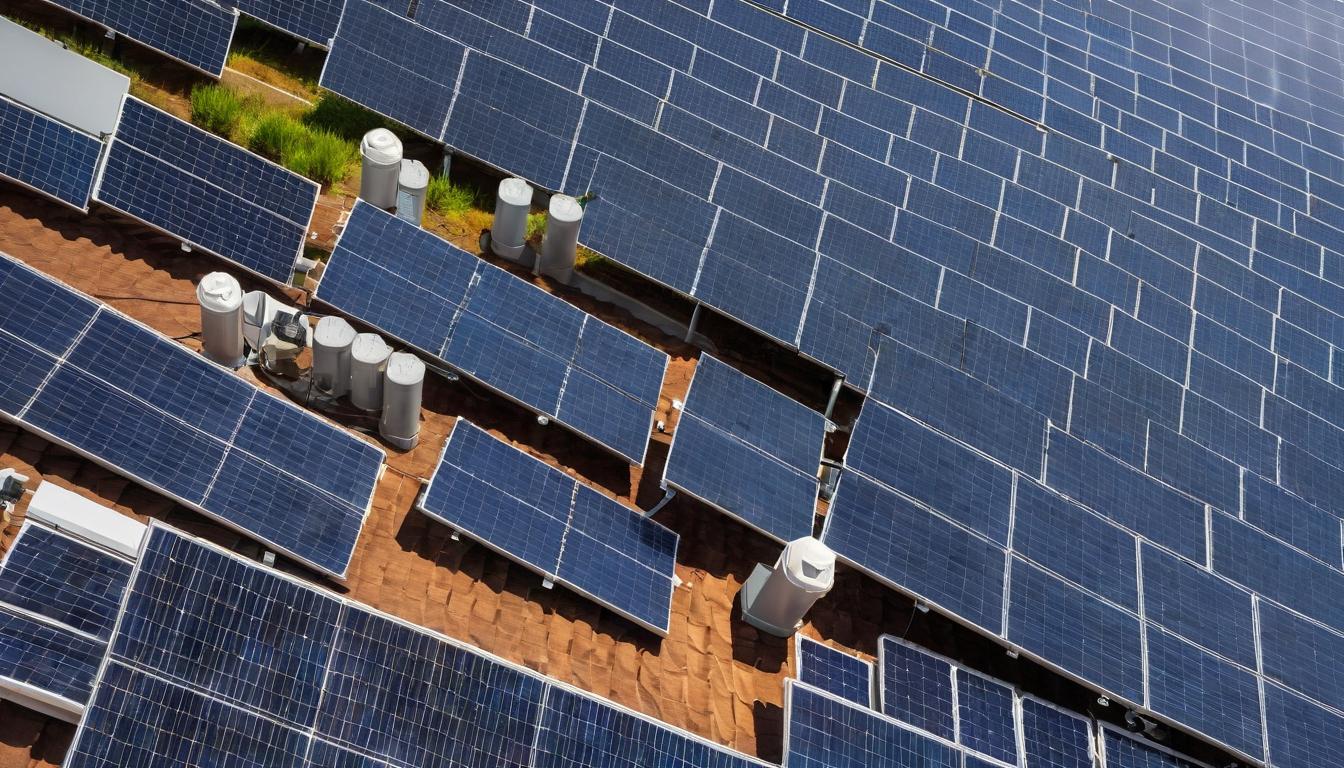
Walk through any suburban neighborhood today and you'll see them: solar panels glinting in the sun, perched on roofs like silent sentinels. But this isn't just about homeowners saving money anymore. What started as a niche environmental statement has become a mainstream financial decision, driven by plummeting costs and innovative financing that puts solar within reach of middle-class families. The real story isn't in the panels themselves, but in the invisible networks they're creating—microgrids forming in communities, neighbors sharing power, and a decentralization of energy that challenges century-old utility models.
Meanwhile, corporations are going solar at a pace that would have seemed impossible a decade ago. Walmart, Amazon, Google—they're not just installing panels; they're signing power purchase agreements that guarantee clean energy for decades, creating demand that's driving manufacturing innovation and scale. This corporate rush isn't about greenwashing either. The numbers work, plain and simple. Solar has become the cheapest form of new electricity in most of the world, and American businesses are following the money with a pragmatism that's changing the game faster than any policy ever could.
But here's where it gets interesting: the technology keeping solar executives up at night isn't about making panels more efficient. It's about what happens when the sun goes down. Storage—batteries specifically—has become the holy grail. The breakthroughs happening in labs right now aren't incremental improvements; they're potential game-changers that could solve solar's Achilles heel: intermittency. From flow batteries that last decades to solid-state designs that promise unprecedented safety and density, the race isn't just to store solar power, but to make it dispatchable, reliable, and capable of powering our lives 24/7.
Then there's the human element—the installers, technicians, and entrepreneurs building this new energy economy. They're not Silicon Valley types in hoodies, but tradespeople with tool belts, former coal miners retraining for a cleaner future, and small business owners seeing opportunity where others see disruption. The solar workforce has grown faster than any other energy sector, creating jobs that can't be outsourced and revitalizing communities that watched their industrial bases crumble. This isn't just about electrons; it's about livelihoods, dignity, and a just transition that actually works for working people.
Look closer at those rooftop arrays and you'll notice something else: they're getting smarter. Integration with home energy management systems, electric vehicle charging, and smart appliances is creating homes that don't just consume energy, but manage it intelligently. Your future car might charge when the sun shines brightest, your water heater might run during peak production, and your entire home could become part of a virtual power plant—selling excess electricity back to the grid when demand spikes. This isn't science fiction; it's happening now in pilot programs across the country.
Yet for all this progress, challenges remain. Permitting bottlenecks strangle deployment in some cities, interconnection queues stretch for years in some states, and misinformation campaigns still sow doubt among potential adopters. The infrastructure itself—the grid built for centralized power plants—struggles to handle millions of small generators feeding electricity back into the system. Solving these problems requires not just technical fixes, but reimagining how we regulate, finance, and think about energy itself.
What emerges from all this isn't a simple story of technology triumphing. It's messier, more human, and ultimately more hopeful. Solar's success isn't just in the panels on roofs or the gigawatts installed; it's in the empowerment of communities, the resilience it builds against outages and price shocks, and the quiet confidence that comes from generating your own power. In an age of polarization and pessimism, solar offers something rare: a solution that crosses political divides, creates tangible benefits, and points toward a future that works better than the present.
The revolution won't be televised—it'll be installed, one roof at a time, by people who see opportunity where others see only problems. And as the sun sets on old energy models, it's rising on something more democratic, more distributed, and more durable than anything we've known before.
The hidden revolution: how solar is quietly rewriting America's energy story