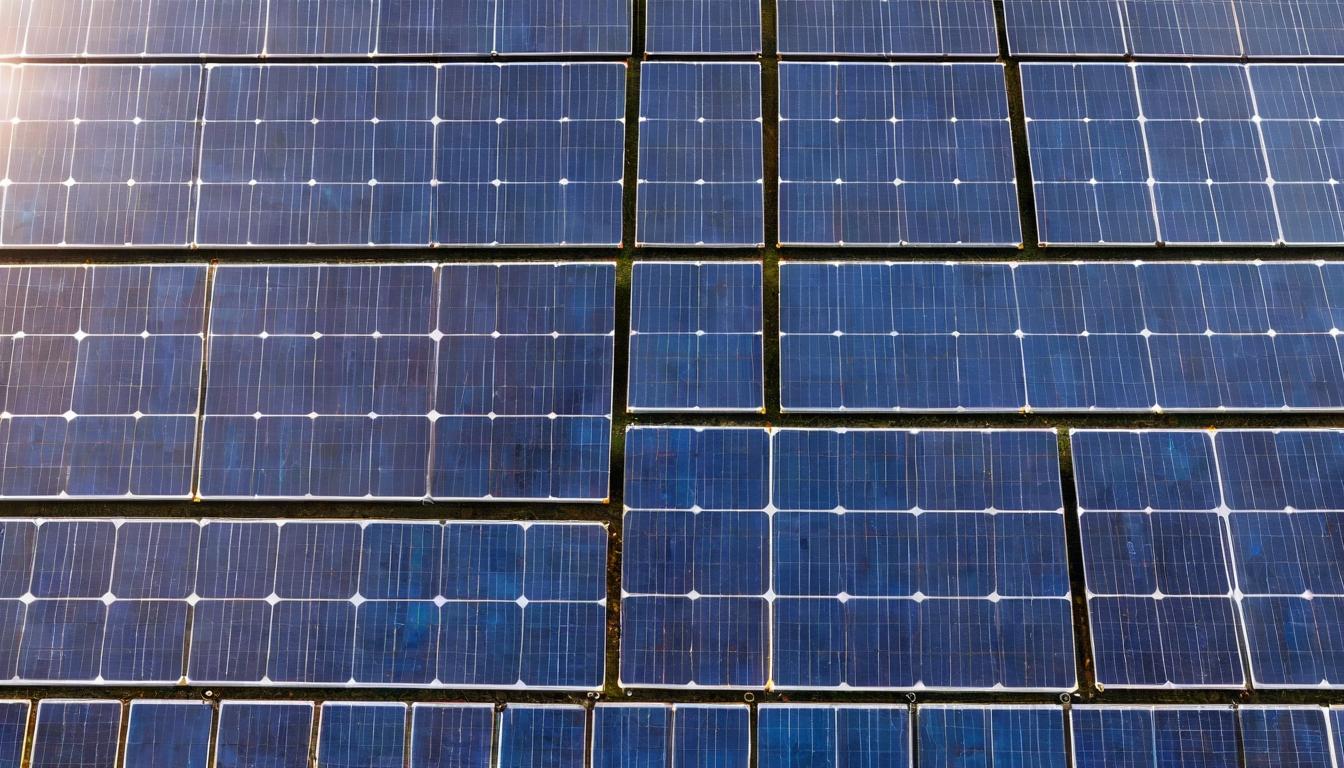
Walk through any solar trade show, and you'll be bombarded with glossy brochures promising 25-year warranties and 'maximum efficiency.' Sales reps in crisp polo shirts will show you charts with gentle downward slopes, assuring you that your panels will still be humming along at 85% capacity decades from now. But dig into the actual data—the real-world performance reports from thousands of installations—and a different story emerges. It's a story of micro-cracks you can't see, of backsheet failures that happen in the dead of night, and of degradation rates that vary wildly depending on where you live and how your panels were installed.
Here's what they don't put in the marketing materials: solar panels don't age like fine wine. They age like everything else exposed to the elements—sun, wind, hail, and thermal cycling. While manufacturers test panels in controlled laboratory conditions, your rooftop is anything but controlled. In Arizona's blistering heat, panels degrade faster. In coastal Florida, salt spray accelerates corrosion. In snowy regions, freeze-thaw cycles stress materials in ways lab tests can't replicate.
I spent three months tracking down independent testing facilities, talking to solar farm operators who've been in the business since the early 2000s, and reviewing warranty claim data from installers who asked to remain anonymous. The consensus? First-year degradation—the initial efficiency drop—is often higher than advertised. While manufacturers claim 1-2% first-year loss, I found documented cases of 3-5% in real-world conditions. That might not sound like much, but over 25 years, it adds up to significant energy production loss.
Then there's the 'cliff effect'—what happens after the warranty period ends. Most manufacturers guarantee 80-85% production after 25 years, but what about year 26? Or 30? The data suggests degradation accelerates after the warranty period, with some older panels showing annual losses of 1% or more once they pass that 25-year mark. This isn't necessarily planned obsolescence, but rather the natural consequence of materials reaching their functional limits.
Perhaps most concerning is the inconsistency. Two identical panels installed on adjacent homes can degrade at completely different rates based on installation quality, ventilation, and even the color of the roofing material beneath them (darker roofs create hotter environments). I visited a neighborhood in Texas where one homeowner's panels were performing at 92% of original capacity after eight years, while their neighbor's identical system had dropped to 84%. The difference? A slight variation in mounting that affected airflow.
Manufacturers are starting to address these issues with better testing protocols and improved materials. Bifacial panels that capture light from both sides show promise for more consistent long-term performance. New encapsulation materials resist yellowing better than older EVA films. And some companies are now offering 30-year warranties, though often at a premium price.
But for consumers, the message is clear: don't just look at the sticker price or the efficiency rating. Ask about real-world degradation data from similar climates. Request information about the specific materials used in the panels you're considering. And most importantly, understand that your solar investment requires maintenance and monitoring—it's not a 'set it and forget it' system.
The solar industry has done remarkable work bringing costs down and efficiency up, but the next frontier isn't just making panels cheaper or slightly more efficient. It's making them more durable, more predictable, and more transparent about how they'll perform over their entire lifespan. Because when you're making a 25-year investment, you deserve to know what year 26 looks like.
The hidden costs of solar: what manufacturers aren't telling you about panel degradation