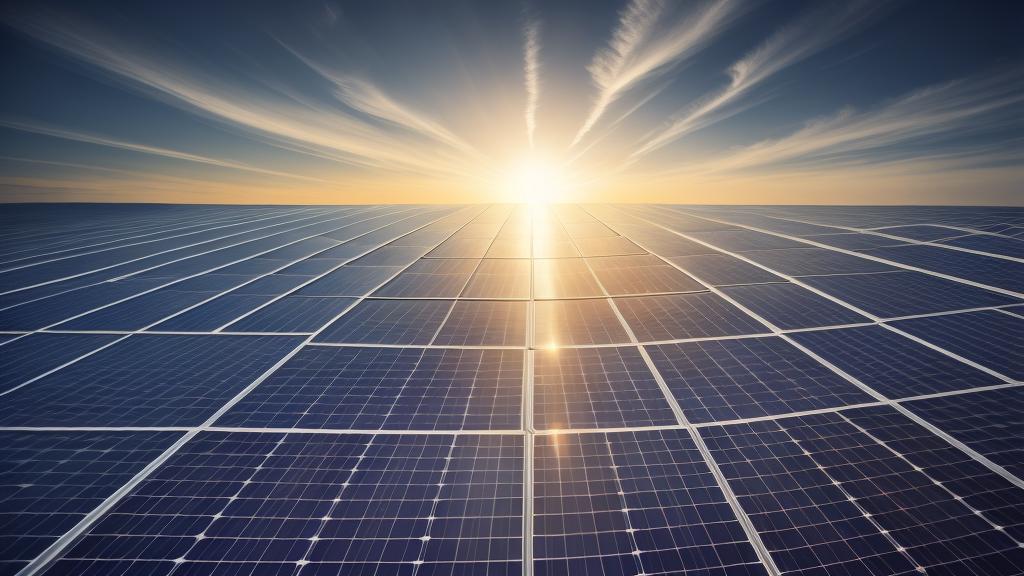
In recent years, solar panels have emerged as a game-changer in the energy sector. No longer are they the niche products used by only the most environmentally conscious homeowners. Now, they’re integral to mainstream energy solutions. This evolution begs the question: what has driven the rapid adoption of solar technology, and what does the future hold for it? In this article, we’ll dive deep into the innovation, benefits, challenges, and future prospects of solar panels, taking you on a journey that’s both informative and inspiring.
Firstly, let’s look at the technological advancements that have made solar panels more efficient and affordable. A decade ago, the cost of installing solar panels was exorbitantly high. However, breakthroughs in photovoltaic cell technology have significantly reduced these costs. Companies have developed more efficient and durable materials, enhancing the panels' lifespan and energy conversion rates. Researchers are also exploring perovskite solar cells, which could potentially offer even higher efficiency at a lower cost. With federal and state incentives to encourage renewable energy use, many homeowners and businesses find it financially viable to invest in solar panels.
Next, we examine how solar energy contributes to environmental sustainability. Unlike fossil fuels, solar panels generate power without emitting greenhouse gases. This advantage is critical as the world grapples with climate change and seeks to reduce its carbon footprint. Solar energy also reduces the dependency on non-renewable resources, promoting a more sustainable and resilient energy grid. Furthermore, solar farms are increasingly planned with dual-use purposes in mind. For example, some are designed to operate alongside agricultural activities, maximizing land use efficiency.
A significant aspect of solar energy's appeal is its potential for energy independence. Traditional energy sources often face supply chain disruptions, geopolitical tensions, and price volatility. In contrast, solar panels offer a more predictable and stable energy source. For communities in remote locations or areas prone to natural disasters, solar panels provide a reliable way to maintain power even when the grid is compromised. This aspect of solar energy is particularly appealing to developing countries, where access to electricity can dramatically improve the quality of life and economic prospects.
However, the journey of solar panels isn’t without its challenges. One of the primary hurdles is energy storage. Solar panels generate electricity only when the sun is shining, which raises the question of how to store surplus energy for use during nighttime or cloudy days. Advances in battery technology are crucial to solving this problem. Companies like Tesla have made significant strides with products like the Powerwall, but widespread adoption and cost reduction remain essential for these solutions to become mainstream. Additionally, integrating solar energy with the existing grid poses technical challenges, requiring substantial investments in infrastructure and smart grid technologies.
Public perception and misinformation are additional obstacles to solar energy adoption. Despite the clear benefits, some people remain skeptical about the efficiency and reliability of solar panels. There’s also a misconception that solar panels are only suitable for sunny climates. In reality, modern solar panels can generate electricity even on cloudy days and in colder regions. Public education campaigns and transparent information sharing are vital in dispelling these myths and encouraging more widespread adoption of solar energy.
Looking ahead, the future of solar panels seems bright, pun intended. Innovations like floating solar farms and building-integrated photovoltaics (BIPV) are pushing the boundaries of how and where we can harness solar energy. Floating solar farms, set up on reservoirs and other bodies of water, offer a solution where land is scarce. BIPV involves integrating solar panels into the building materials themselves, such as windows or facades, making energy generation an intrinsic part of the structure.
Moreover, the combination of artificial intelligence (AI) and solar panel technology promises to optimize energy production further. AI can predict energy demand, weather patterns, and maintenance needs, ensuring that solar panels operate at peak efficiency. This synergy between technology and renewable energy is set to propel us into a future where clean, sustainable power is the norm, not the exception.
In conclusion, solar panels are no longer just a symbol of environmental activism; they’re a cornerstone of the modern energy landscape. As technology advances and challenges are met with innovative solutions, solar energy stands poised to revolutionize how we think about and consume energy. The transition won’t be without its hurdles, but the benefits for individuals, communities, and the planet make it a journey worth undertaking. Whether you’re a homeowner, a business leader, or a policymaker, embracing solar energy could be the key to a more sustainable and resilient future.
revolutionizing energy: how solar panels are changing the game