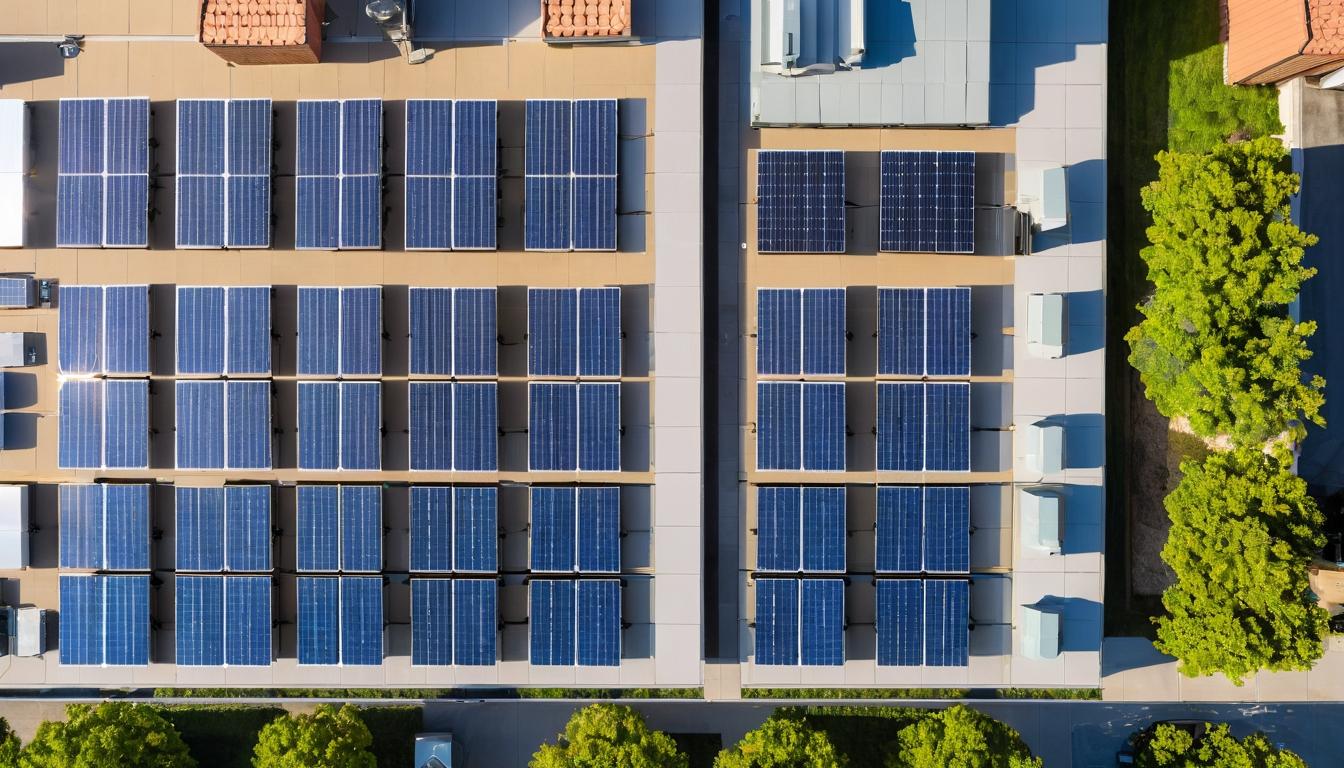
If you think solar power is just about shiny rectangles on rooftops, you're living in last decade's sunlight. While most conversations focus on panel efficiency and installation costs, a quieter revolution is unfolding in laboratories, factories, and regulatory offices that will fundamentally reshape how we capture and use the sun's energy. This isn't incremental improvement—it's transformation.
Walk into any solar trade show today, and you'll hear the same buzzwords: bifacial panels, perovskite cells, floating solar farms. But beneath the industry jargon lies a story of materials science breakthroughs that sound more like alchemy than engineering. Researchers are now developing solar cells that can capture infrared light, turning the invisible spectrum into usable electricity. Imagine panels that work through cloud cover, during twilight hours, even under moonlight—this isn't science fiction, but emerging reality in labs from Stanford to Singapore.
Meanwhile, the manufacturing landscape is undergoing its own seismic shift. For years, China dominated solar panel production with such overwhelming scale that competitors simply couldn't keep up. But geopolitics and supply chain vulnerabilities have sparked a manufacturing renaissance in unexpected places. Factories are rising in Texas, Tennessee, and even former coal towns, driven by incentives in the Inflation Reduction Act that reward domestic production. The economics are changing faster than most analysts predicted, with American-made panels becoming competitive within just two years of policy implementation.
But hardware is only half the story. The real game-changer might be what happens after electrons leave your roof. Virtual power plants—networks of home solar systems coordinated like a single utility-scale facility—are turning neighborhoods into mini-grids that can stabilize the broader electrical network. When demand spikes on a hot afternoon, these distributed systems can inject power back into the grid, preventing blackouts and reducing reliance on fossil fuel 'peaker' plants. Homeowners get paid for this service, creating a new revenue stream that makes solar even more attractive.
Then there's the recycling problem nobody wants to talk about. With first-generation solar panels now reaching end-of-life, the industry faces a looming waste crisis. Early panels weren't designed for disassembly, creating a recycling challenge that could undermine solar's green credentials. But innovative companies are developing processes that recover 95% of materials, including valuable silver and silicon. Some are even designing panels with circularity in mind, using snap-together components that separate easily after decades of service.
Perhaps most surprisingly, solar is finding new real estate where nobody thought to look before. Agricultural fields are hosting elevated panels that allow crops to grow underneath—a practice called agrivoltaics that can increase both food and energy production on the same land. Parking lots are becoming power generators with solar canopies that shade cars while feeding the grid. Even contaminated brownfields and abandoned landfills are being repurposed for solar farms, turning blighted land into community assets.
The regulatory landscape is keeping pace with these innovations, though not without friction. Net metering policies—the rules governing how homeowners get credited for excess solar power—are being rewritten in states across the country. Utilities argue current rates unfairly shift grid maintenance costs to non-solar customers, while solar advocates warn changes could stall adoption. The outcome of these battles will determine whether solar remains accessible to middle-class families or becomes a luxury for the wealthy.
What's clear is that solar energy is shedding its identity as a simple add-on to homes and businesses. It's becoming integrated into building materials (solar shingles, windows, even sidewalks), connected to smart home systems that optimize consumption, and paired with emerging technologies like green hydrogen production. The future isn't just solar panels—it's solar ecosystems.
For consumers, this means navigating a more complex but potentially more rewarding landscape. The old calculation of payback period based on current electricity rates is becoming obsolete. Now you need to consider battery storage options, participation in virtual power plants, resilience during outages, and even the recyclability of the equipment you install. It's no longer just about saving money—it's about energy independence, community resilience, and participating in the energy transition directly from your property.
The solar revolution has moved beyond the obvious. It's in the molecular structure of new materials, the algorithms coordinating distributed systems, the business models making clean energy accessible, and the policies shaping our energy future. The panels on your roof are just the most visible part of a transformation happening at every level of how we produce and consume power. And if you're not paying attention to what's happening behind the scenes, you're missing the most important part of the story.
Beyond the panels: the hidden revolution in solar energy you're missing