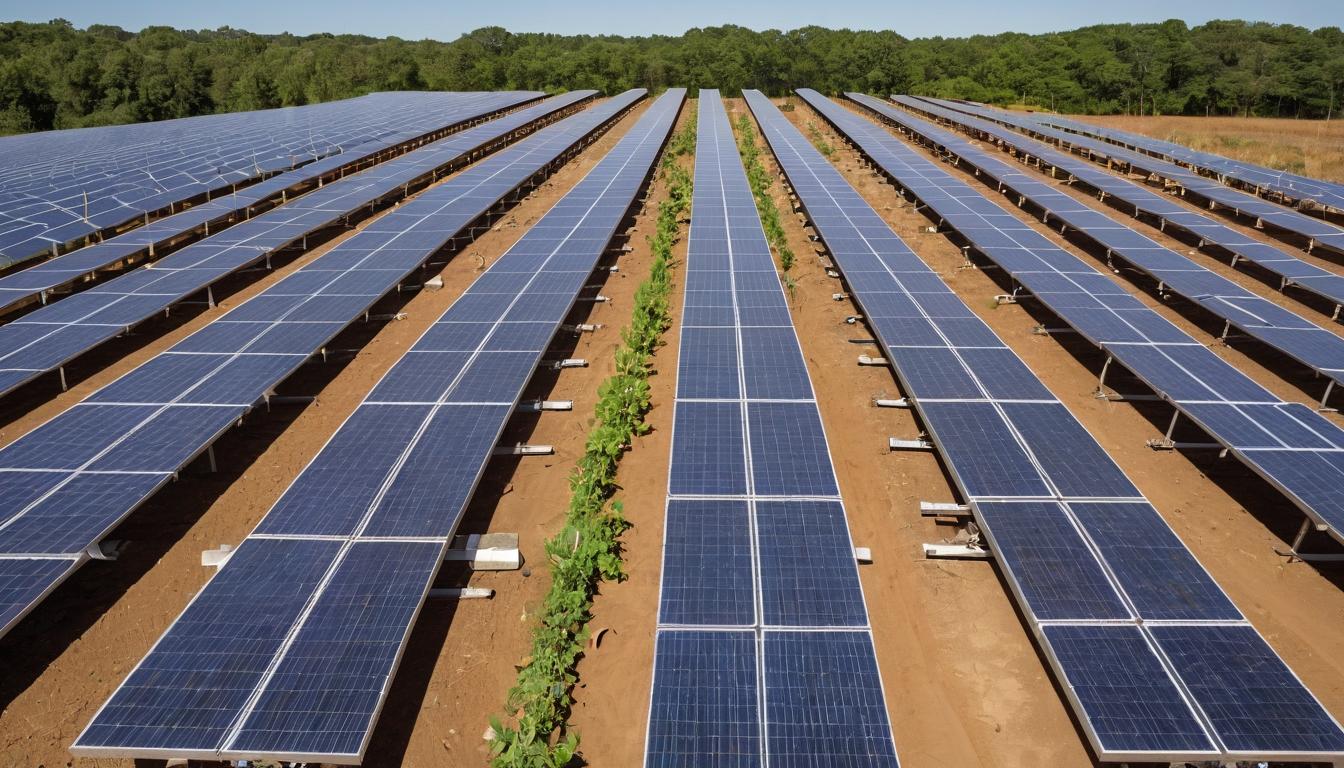
The solar industry has been painted as a clean, straightforward solution to our energy woes, but beneath the glossy panels and optimistic projections lies a complex web of challenges that rarely make headlines. While installations continue to break records, the infrastructure supporting this boom is showing cracks that could determine whether solar becomes a true revolution or just another promising technology that stumbled at scale.
One of the most pressing issues quietly emerging is what happens to panels at the end of their 25-30 year lifespan. The first wave of utility-scale solar installations from the early 2000s is now approaching retirement, and the recycling infrastructure is woefully unprepared. Unlike the sleek installation process, decommissioning involves hazardous materials like lead and cadmium that require specialized handling. Current recycling methods recover only about 80% of materials by weight, leaving valuable silicon and silver lost in the process. Startups are racing to develop better recovery techniques, but without federal standards, we're creating tomorrow's environmental headache today.
Meanwhile, the push for community solar projects—touted as the solution for renters and low-income households—is hitting unexpected roadblocks. The concept seems simple enough: shared arrays that allow multiple subscribers to benefit from solar without installing panels on their own roofs. But implementation has become a regulatory nightmare, with states creating patchwork rules that vary wildly in subscriber compensation, billing mechanisms, and project size limits. In some markets, utilities are using interconnection delays and opaque fee structures to effectively stall community projects, while in others, subscription models have become so complex they require legal expertise to navigate.
Financing innovation has created its own set of complications. The rise of solar-as-a-service models, where companies install and maintain systems for a monthly fee, has democratized access but created questions about long-term responsibility. What happens when these third-party providers go bankrupt or get acquired? Homeowners are discovering fine print that makes transferring systems difficult, while commercial clients face complex power purchase agreements that lock them into terms longer than most business plans contemplate.
Manufacturing presents another layer of complexity often glossed over in industry reports. While panel prices have dropped dramatically, the supply chain remains vulnerable to geopolitical tensions and trade disputes. The recent push for domestic manufacturing faces stiff competition from established overseas producers, creating a delicate balancing act between supporting local jobs and maintaining affordable pricing. New technologies like bifacial panels and perovskite cells promise higher efficiencies but require completely different manufacturing processes and materials, forcing companies to gamble on which innovations will prove commercially viable.
Perhaps most surprisingly, the physical limitations of the grid itself are creating bottlenecks that could slow solar adoption faster than any policy change. In sun-rich regions like California and Arizona, utilities are increasingly curtailing solar production during peak generation hours because the grid can't handle the influx. This isn't just wasted clean energy—it undermines the economics of new projects and highlights how our century-old grid infrastructure was never designed for distributed, intermittent generation. Solutions like grid-forming inverters and advanced energy management systems exist, but implementing them at scale requires coordination between regulators, utilities, and developers that often moves at bureaucratic speed.
The workforce shortage adds human dimension to these technical challenges. As installations accelerate, the industry needs trained electricians, engineers, and project managers faster than training programs can produce them. This isn't just about finding warm bodies—solar requires specialized knowledge of electrical systems, building codes, and weather patterns that takes years to develop. The result is rushed installations, safety concerns, and projects delayed by months waiting for qualified personnel.
What emerges from looking beyond the installation numbers is a picture of an industry in adolescence—growing rapidly but still figuring out how to handle its own success. The solutions exist, from standardized recycling protocols to grid modernization investments, but they require coordinated action that matches the urgency of the climate crisis. The next phase of solar's evolution won't be measured in megawatts installed but in how effectively we build the systems, policies, and workforce to support a truly sustainable energy transition.
The solar revolution's hidden challenges: From recycling headaches to community power struggles