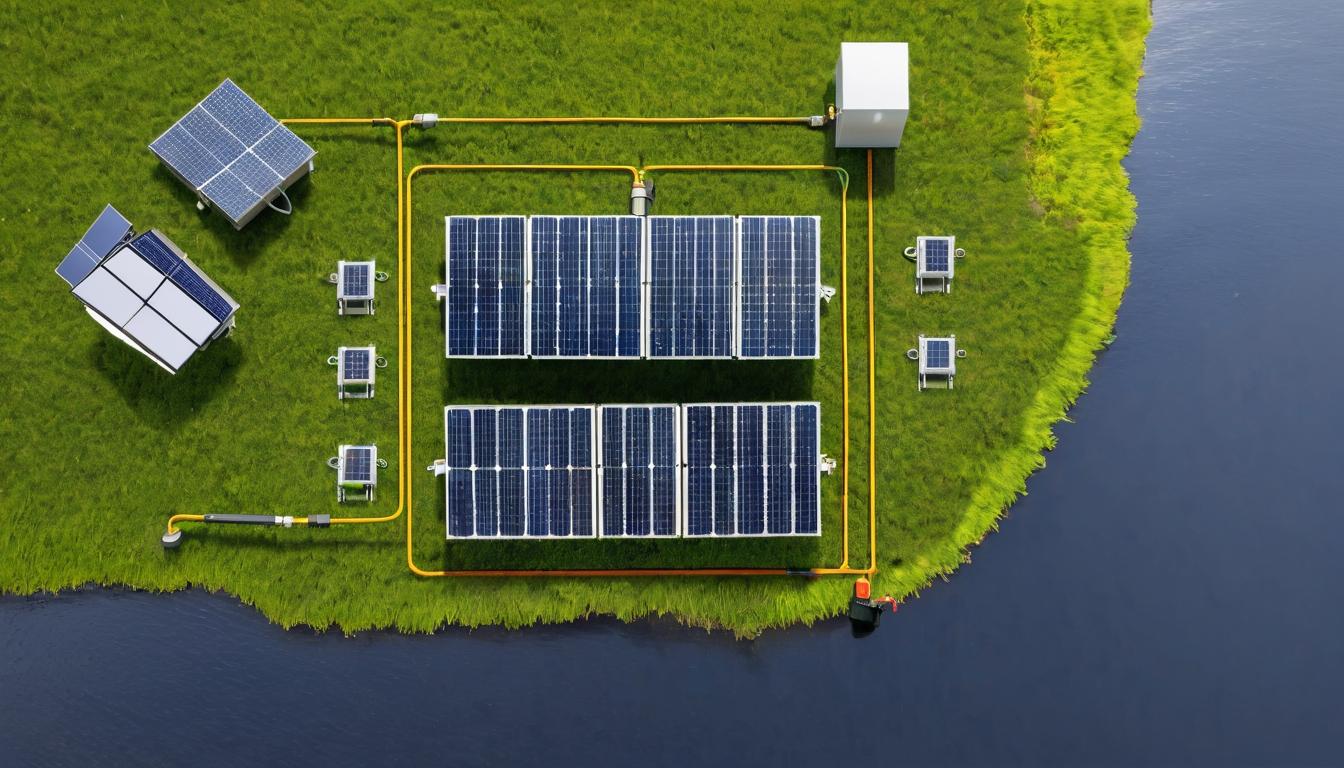
If you think solar panels are just about putting shiny rectangles on rooftops to lower your electric bill, you're missing the real story. There's a quiet revolution happening right now—one that's reshaping how we generate, store, and even think about energy. It's not just about kilowatt-hours; it's about a fundamental shift in power dynamics, from centralized utilities to distributed networks, and it's happening faster than most people realize.
Let's start with what's hiding in plain sight: the solar panel itself. The technology has evolved from clunky, inefficient slabs to sleek, high-performance systems that blend into rooftops and landscapes. But the real magic isn't just in the panels—it's in what they're connected to. Smart inverters, battery storage systems, and advanced monitoring software are turning solar arrays into intelligent energy hubs. These systems don't just produce power; they communicate, optimize, and even trade energy with the grid in real-time. It's like having a mini power plant on your property that knows when to produce, when to store, and when to sell back to the utility.
Now, here's where things get interesting: the grid is learning to dance with millions of these distributed energy resources. Utilities, once the sole gatekeepers of electricity, are now partnering with solar owners through virtual power plants and demand response programs. Imagine thousands of homes with solar and batteries automatically responding to grid signals during peak demand, collectively acting as a massive, flexible power source. This isn't science fiction—it's happening today in places like California, Australia, and Hawaii. The grid is becoming more resilient, more adaptive, and surprisingly, more democratic.
But wait, there's a twist in this solar saga. As adoption skyrockets, new challenges emerge. Grid congestion, interconnection queues, and outdated regulations are creating bottlenecks that threaten to slow the solar boom. Some utilities are pushing back with fees and rate structures that disadvantage solar owners, while others are embracing the change and reinventing themselves as energy service providers. The battle isn't just about technology; it's about policy, economics, and who controls the future of energy.
Meanwhile, solar is breaking out of its traditional boundaries. Floating solar farms on reservoirs, solar canopies over parking lots, and building-integrated photovoltaics that turn entire facades into power generators are expanding where and how we capture sunlight. Agricultural solar, where panels are raised high enough for crops or livestock to thrive underneath, is creating dual-use land that produces both food and energy. These innovations aren't just increasing capacity; they're changing how we use space and resources in a world where both are increasingly precious.
Then there's the manufacturing story—a global drama of supply chains, trade disputes, and technological leaps. While China dominates panel production, other countries are racing to build domestic manufacturing capacity, driven by energy security concerns and climate goals. New technologies like perovskite solar cells promise higher efficiencies and lower costs, potentially disrupting the entire industry. The solar panel of tomorrow might look completely different from today's standard silicon modules, opening new possibilities for integration and aesthetics.
Perhaps most importantly, solar is becoming accessible to everyone, not just homeowners with sunny roofs. Community solar projects allow renters and apartment dwellers to subscribe to shared arrays, while solar-as-a-service models eliminate upfront costs. Low-income communities, often burdened with high energy bills, are increasingly targeted for solar installations that provide both savings and resilience. This isn't just about clean energy; it's about energy justice and economic opportunity.
So what does all this mean for you? Whether you're a homeowner considering solar, a policymaker shaping energy rules, or just someone who flips a light switch, this transformation affects you. The solar revolution isn't coming—it's already here, quietly reshaping our energy landscape in ways most of us haven't noticed. It's a story of innovation overcoming obstacles, of decentralization challenging central control, and of sunlight becoming not just a source of power, but a catalyst for change. The question isn't whether solar will transform our world, but how quickly we'll adapt to the new reality it's creating.
The hidden revolution: how solar is quietly transforming everything from your roof to the grid