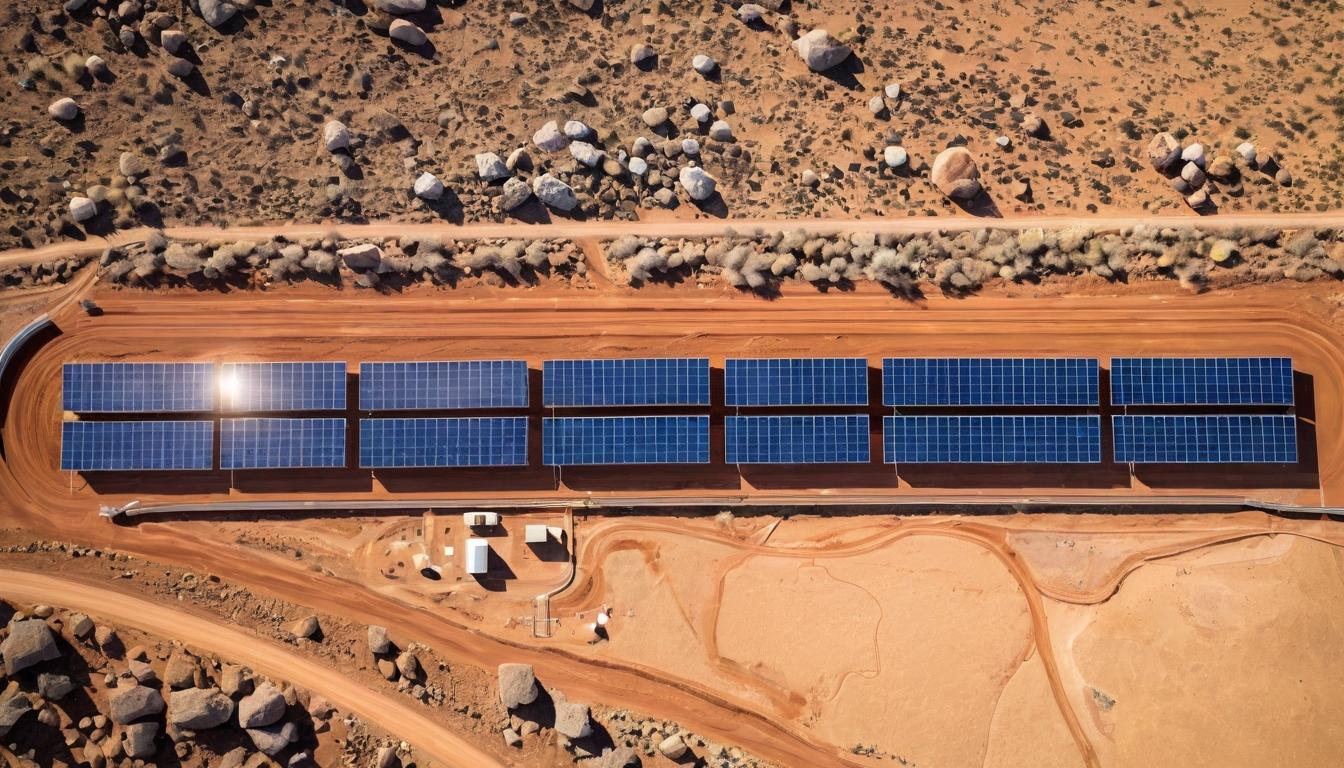
While most eyes remain fixed on rooftop installations and sprawling desert solar farms, a quiet revolution is unfolding across America's most unexpected landscapes. From contaminated brownfields to struggling agricultural lands, solar energy is finding new homes where traditional development has long feared to tread. This isn't just about generating clean electricity—it's about breathing new life into forgotten corners of our country.
In states like New Jersey and Massachusetts, former industrial sites that once poisoned groundwater now host gleaming solar arrays. These 'brightfields,' as insiders call them, represent a brilliant solution to two problems at once. Developers avoid the lengthy permitting battles that plague greenfield projects, while communities gain both tax revenue and environmental remediation. The soil beneath these panels tells a story of redemption, transforming from toxic liability to productive asset.
Meanwhile, America's farmers are discovering that solar panels and crops can coexist in surprising harmony. The emerging practice of 'agrivoltaics' involves elevating solar arrays high enough for tractors to pass beneath, creating microclimates that actually boost certain crop yields. Shade-loving plants like lettuce and berries thrive in the partial shelter, requiring less water while producing electricity overhead. It's a dual harvest that could redefine rural economies.
Even America's highways are getting in on the action. Several states are experimenting with solar noise barriers along busy interchanges, turning what was once purely functional infrastructure into power-generating assets. These vertical installations capture sunlight that would otherwise go to waste, while performing their original noise-reduction duties. It's the kind of elegant, multi-purpose solution that makes engineers smile.
Perhaps most intriguing are the floating solar arrays beginning to appear on reservoirs and wastewater treatment ponds. These 'floatovoltaics' not only generate electricity but reduce water evaporation—a critical benefit in drought-prone regions. The water's cooling effect actually boosts panel efficiency, creating a virtuous cycle that benefits both energy production and water conservation.
Behind these innovations lies a technological arms race most consumers never see. Bifacial solar panels that capture light from both sides are becoming standard on elevated installations. Advanced tracking systems now follow the sun's path with millimeter precision. And new mounting technologies allow arrays to withstand everything from hurricane-force winds to heavy snow loads.
What's driving this expansion into unconventional spaces? Partly necessity—prime solar real estate is becoming scarce near population centers. But there's also growing recognition that solar development should complement, rather than compete with, other land uses. The most forward-thinking projects now undergo 'dual-use' analysis from day one, asking not just 'can we build here?' but 'what else can this land do while generating power?'
Community resistance, long the bane of solar developers, actually decreases when projects address local needs beyond electricity generation. A solar array that also provides shade for grazing animals, protects a watershed, or remediates contaminated soil becomes a community asset rather than an imposition. This represents a fundamental shift in how renewable energy projects are conceived and marketed.
The financial models are evolving just as dramatically. Traditional power purchase agreements are giving way to more creative arrangements that share benefits with landowners and communities. Some farmers now receive both lease payments for hosting solar arrays and a percentage of electricity revenue. Municipalities are exploring ownership models that keep profits local.
As climate change intensifies, these multi-benefit solar installations may prove crucial for building resilience. Solar arrays over parking lots reduce urban heat island effects while powering electric vehicle charging. Floating solar on reservoirs helps manage water scarcity. Agricultural solar provides income stability for farmers facing increasingly unpredictable growing seasons.
This quiet revolution suggests we've been thinking about solar energy all wrong. Rather than seeing it as something that occupies space, we're learning to see it as something that enhances space. The most exciting developments aren't happening in the obvious places, but in the margins and overlooked corners where innovation meets necessity. As one developer told me, 'We're not just installing solar panels anymore. We're installing solutions.'
The next time you drive past what looks like an ordinary solar installation, look closer. That array might be cleaning contaminated soil, conserving water, boosting crop yields, or doing all three simultaneously. The future of solar energy isn't just about more panels—it's about smarter panels in smarter places, working harder than we ever imagined possible.
The hidden revolution: how solar energy is quietly transforming America's forgotten landscapes