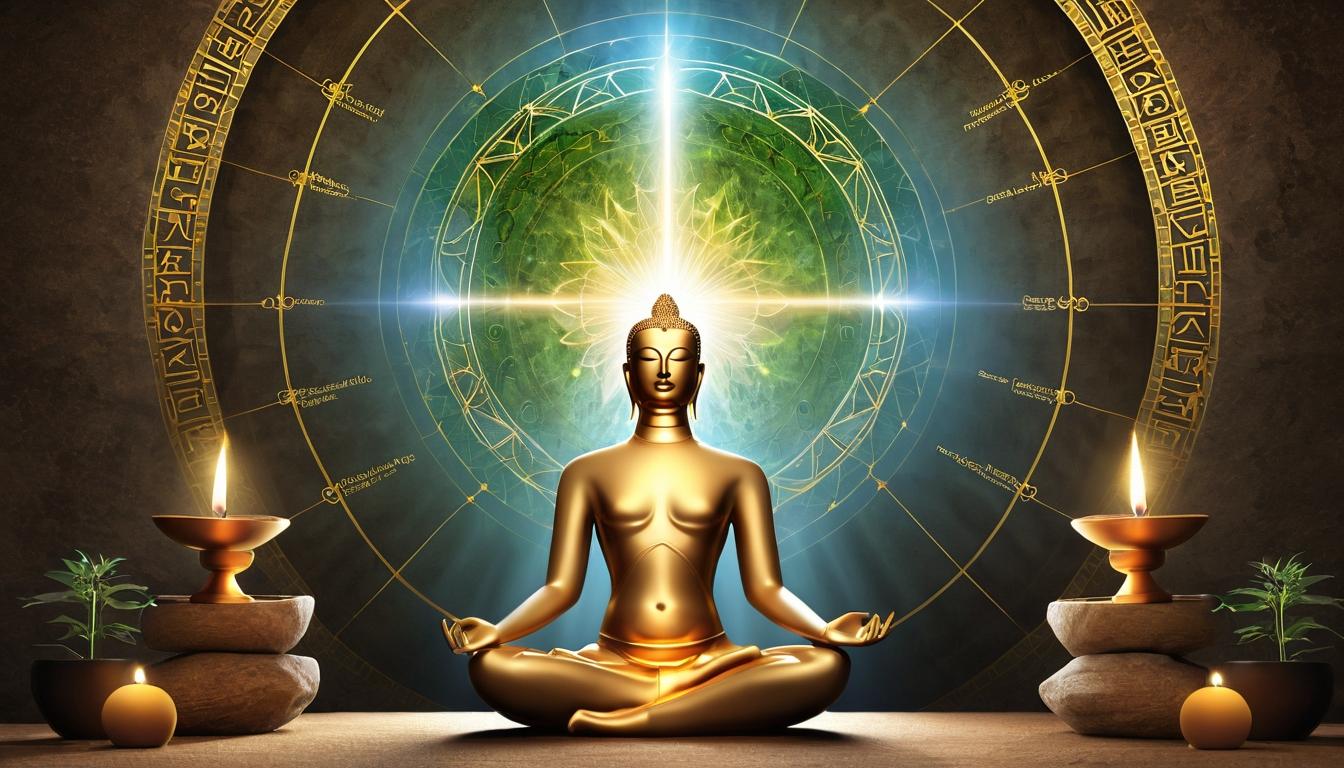
In the quiet spaces between our digital notifications and calendar alerts, something unexpected is happening. People are turning toward practices once dismissed as mystical or esoteric, not as escape from reality, but as tools to engage with it more deeply. This isn't about abandoning science or logic; it's about expanding the toolkit for navigating an increasingly complex world. The resurgence of interest in meditation, energy work, and ancestral wisdom speaks to a collective yearning for connection—to ourselves, to each other, and to something larger than our individual lives.
What's driving this shift? Look at the neuroscience. Studies now show that regular meditation can physically reshape the brain, strengthening areas associated with empathy and emotional regulation while calming the fear centers. It's no longer just spiritual advice; it's biological fact. Meanwhile, practices like qigong and tai chi, once seen as exotic exercises, are being prescribed by mainstream doctors for stress reduction and chronic pain management. The line between 'alternative' and 'accepted' is blurring in real time.
Yet beneath these practical applications flows a deeper current. People aren't just seeking stress relief; they're asking fundamental questions about consciousness itself. What if our minds aren't confined to our skulls? What if intuition is a form of intelligence we've neglected? These questions lead to fascinating territories where ancient traditions meet cutting-edge physics, where mystics and scientists sometimes arrive at surprisingly similar conclusions about the nature of reality.
Consider the growing exploration of plant medicines in therapeutic contexts. After decades of prohibition, researchers are rediscovering what indigenous cultures knew for centuries: certain substances, used with intention and guidance, can facilitate profound healing and insight. This isn't about recreational use; it's about carefully controlled settings where people confront trauma, addiction, and existential distress with remarkable results. The stories emerging from these sessions read like modern-day myths—tales of transformation that challenge our conventional understanding of psychology.
Parallel to this runs a renewed engagement with earth-based spirituality. As climate anxiety grows, so does the recognition that seeing nature as sacred might be more than poetic sentiment—it might be essential for our survival. Rituals honoring the elements, moon cycles, and seasonal changes aren't just aesthetic choices; they're ways of reweaving our relationship with the living world. This represents a quiet revolution in how we perceive our place in the cosmos, moving from dominators to participants in a vast, intelligent system.
Technology, ironically, accelerates this mystical renaissance. Apps deliver daily meditations to millions. Online communities share experiences about energy healing and lucid dreaming. Virtual reality creates immersive environments for mindfulness practice. The very tools that fragment our attention also provide portals to deeper states of consciousness. This creates a fascinating paradox: we're using the products of our hyper-rational culture to explore realms that transcend rationality.
Perhaps most significantly, this movement is democratizing wisdom that was once guarded by gatekeepers. You don't need to travel to remote monasteries or pay thousands for retreats. The essentials are available to anyone with internet access and genuine curiosity. This accessibility is creating a grassroots transformation—one person at a time, in ordinary homes and cities, people are discovering that mystical experiences aren't reserved for saints or gurus. They're part of our human inheritance, waiting to be reclaimed.
What emerges from all these threads is a new cultural narrative. It suggests that healing our fractured world requires both technological innovation and inner exploration, both data and direct experience. The most forward-thinking minds in various fields are beginning to speak the same language: integration. Integrating intuition with analysis, spirituality with science, ancient wisdom with modern challenges. This integration isn't about creating a new dogma; it's about cultivating flexibility—the ability to approach life with multiple ways of knowing.
As this synthesis continues, watch for subtle changes in how we work, parent, create, and relate. The real revolution won't be announced with fanfare; it will unfold in quiet moments—a CEO beginning meetings with a minute of silence, a teacher incorporating breathwork into the classroom, a scientist meditating before designing an experiment. These small shifts accumulate into cultural transformation, suggesting that the future might be more contemplative, connected, and compassionate than we dared imagine.
The hidden currents: how ancient practices are reshaping modern consciousness