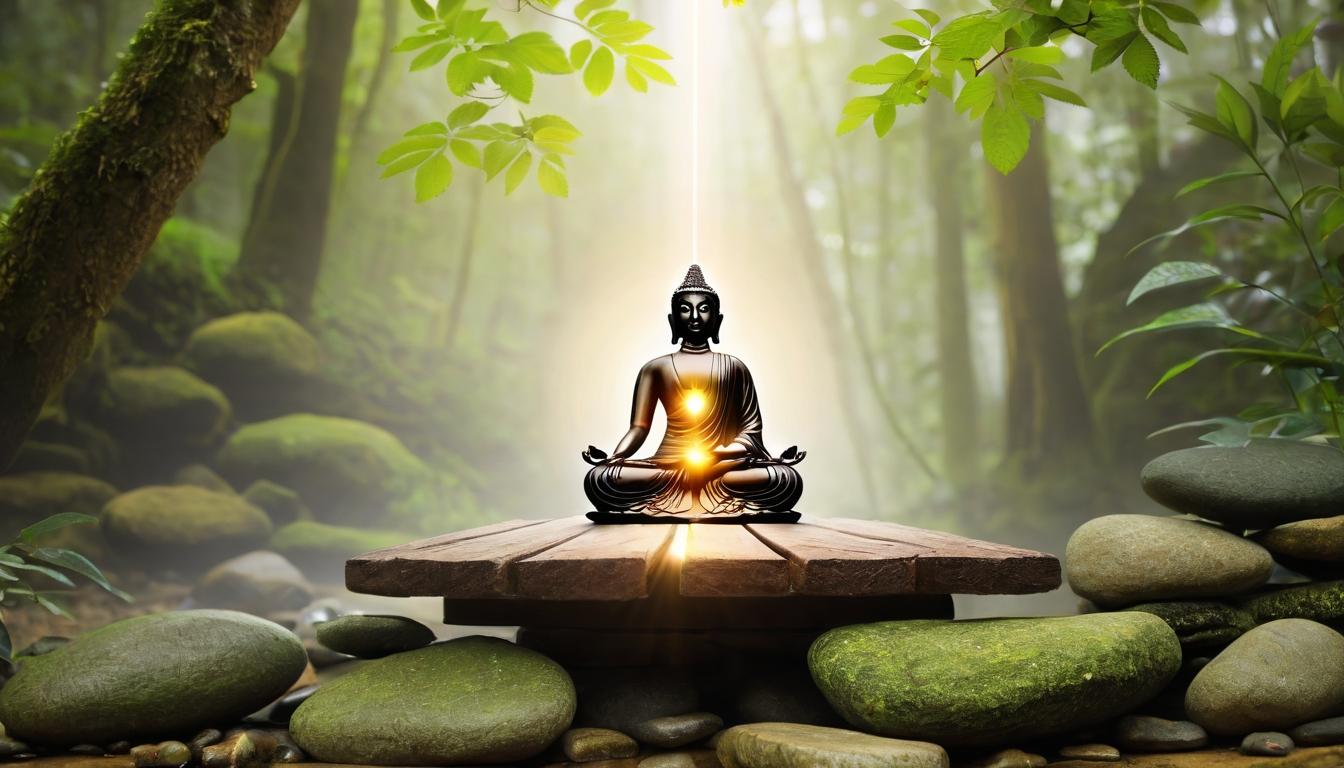
In the quiet hours before dawn, practitioners across the globe light candles, burn sage, and whisper intentions to the universe. These morning rituals might seem like modern wellness trends, but their roots dig deep into humanity's oldest spiritual traditions. What we're witnessing today isn't just another self-help fad—it's the reawakening of practices our ancestors knew intimately, now dressed in contemporary clothing.
At the heart of this revival lies a simple truth we've forgotten: ritual creates reality. Ancient cultures understood this principle instinctively. The Mayans charted celestial movements not just to predict seasons, but to align their consciousness with cosmic rhythms. Indigenous shamans used drumming not merely for ceremony, but to induce trance states that revealed hidden dimensions of existence. These weren't superstitions—they were sophisticated technologies of consciousness, developed through millennia of observation and experimentation.
Modern science is beginning to catch up with what mystics have always known. Neuroimaging studies show that repetitive rituals—whether chanting mantras, walking labyrinths, or performing tea ceremonies—activate the brain's default mode network, the same region associated with self-reflection and meaning-making. When we engage in ritual with presence, we're not just going through motions; we're rewiring our neural pathways to perceive deeper connections between ourselves and the world around us.
The contemporary mindfulness movement has unconsciously tapped into this ancient wisdom. Meditation apps might use modern interfaces, but the breath awareness they teach echoes Buddhist vipassana practices dating back 2,500 years. Gratitude journals popularized by wellness influencers mirror the thanksgiving rituals of Native American traditions. Even corporate retreats incorporating vision boards are unknowingly reviving the intention-setting ceremonies practiced by ancient mystics.
What's particularly fascinating is how these practices are evolving in our digital age. Online meditation communities create virtual sacred spaces where participants from different continents can chant together in real time. Social media platforms become modern-day temples where people share spiritual insights and support each other's journeys. The tools have changed, but the human yearning for connection and meaning remains constant—and remarkably similar to what drove our ancestors to gather around fires under star-filled skies.
Perhaps the most significant development is the democratization of mystical knowledge. Where once esoteric teachings were guarded by secret societies or required arduous pilgrimages to remote monasteries, today's seeker can access wisdom traditions from Tibetan Buddhism to Kabbalah with a few clicks. This accessibility comes with responsibility—the need to approach these traditions with respect rather than treating them as another commodity in the wellness marketplace.
The integration of ancient and modern creates something entirely new: a global spirituality that honors tradition while embracing innovation. We're seeing yoga studios incorporating sound healing with Tibetan singing bowls, mindfulness teachers blending neuroscience with Zen philosophy, and retreat centers offering both forest bathing and biofeedback training. This synthesis represents not dilution, but evolution—the natural development of spiritual practices as they meet contemporary needs and understandings.
As we move forward, the challenge will be maintaining the depth and integrity of these practices while making them relevant to modern lives. The true magic happens not when we simply adopt ancient rituals, but when we understand their underlying principles and adapt them authentically to our current context. That candle lit before dawn becomes more than a routine—it becomes a bridge across time, connecting us to the countless generations who sought meaning in the flickering flame, and to future generations who will continue this eternal human quest.
This isn't about returning to some idealized past, but about carrying forward the essential wisdom our ancestors discovered—that certain practices align us with deeper realities, that community amplifies spiritual growth, and that the sacred exists not somewhere else, but here, in the ordinary moments we learn to inhabit fully. The rituals change, the languages differ, but the longing remains: to touch something timeless in our transient lives, and to remember what we've always known but keep forgetting.
The hidden connections between ancient rituals and modern mindfulness