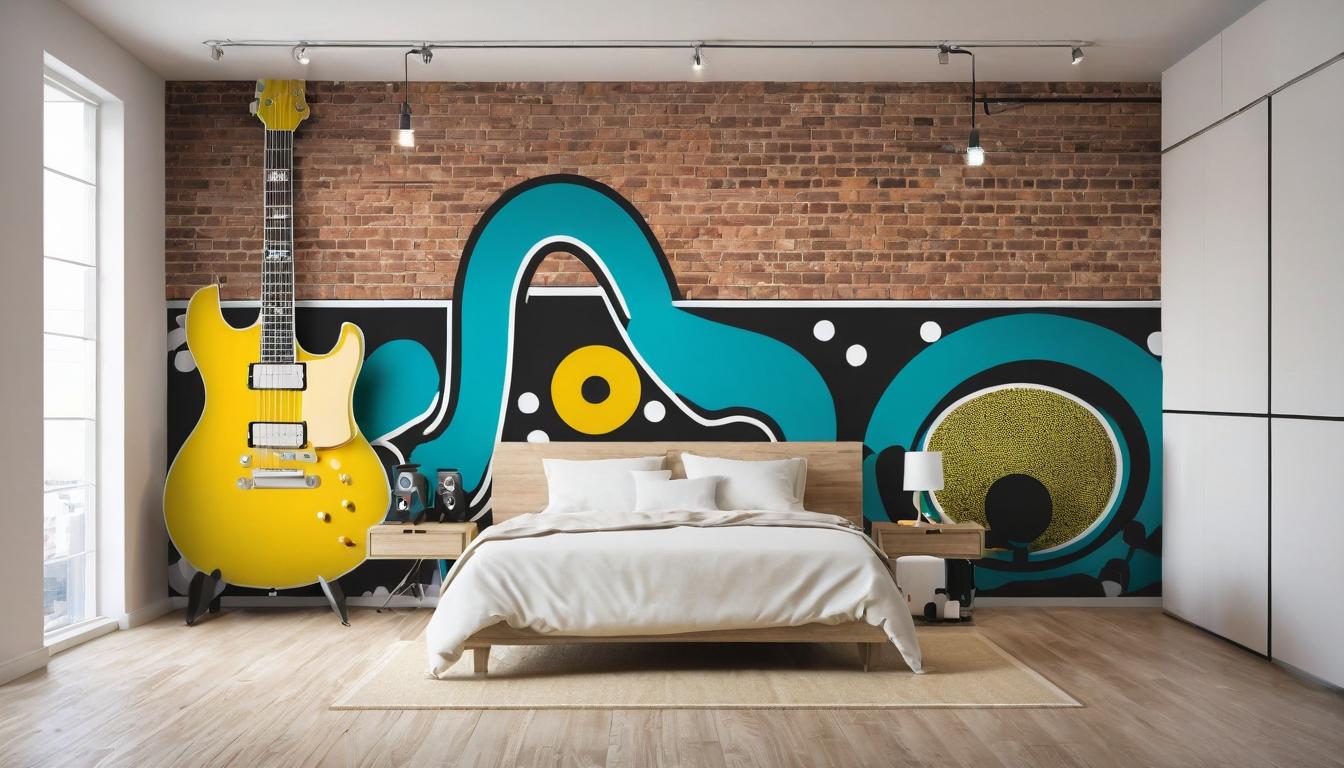
In the dim glow of laptop screens across Brooklyn bedrooms, Los Angeles garages, and London council flats, a quiet revolution is brewing. The tools of music creation—once guarded by major label budgets and exclusive studio access—have been democratized to an unprecedented degree. What began as a niche hobbyist movement has quietly infiltrated the upper echelons of the Billboard charts, with bedroom producers now crafting beats for A-list pop stars and underground collectives building sustainable careers without ever signing a traditional record deal.
This seismic shift isn't just about technology—it's about a fundamental reimagining of what it means to be a musician in the 21st century. The bedroom producer archetype has evolved from the solitary beatmaker to a networked collaborator, often working across continents via Discord servers and file-sharing platforms. These digital workshops have become incubators for genre-blurring sounds that defy easy categorization, mixing hyperpop's synthetic sheen with R&B's emotional depth, or welding drill's aggressive rhythms to folk's melodic sensibilities.
What's particularly fascinating is how this underground economy operates parallel to—and increasingly intersects with—the mainstream music industry. Independent artists are building six-figure incomes through Patreon subscriptions, sample pack sales, and sync licensing deals for video games and streaming series. The traditional gatekeepers—A&R executives, radio programmers, magazine editors—now often discover talent through TikTok trends and YouTube tutorials rather than showcase performances or demo submissions.
This new ecosystem has created unexpected stars like 24-year-old producer Eloise, who crafted a viral hit from her Glasgow bedroom that eventually landed in a Netflix series soundtrack. 'I never even considered sending demos to labels,' she explains via Zoom, her workspace visible behind her—a modest desk crowded with MIDI controllers and a single microphone. 'The audience found me through gaming streams where my tracks were playing in the background. Now I'm getting inquiries from artists I grew up listening to.'
Meanwhile, the sonic palette of mainstream pop has transformed to accommodate these bedroom-born aesthetics. The meticulously polished production that dominated 2000s radio has given way to intentionally lo-fi elements—vinyl crackle, tape hiss, slightly off-grid percussion—that signal authenticity to digital-native listeners. Major label artists now actively seek out underground producers for that elusive 'real' sound, creating a curious inversion where the mainstream chases underground credibility.
This revolution extends beyond production into distribution and community building. Platforms like Bandcamp have enabled direct artist-fan relationships that bypass traditional retail models, while Discord servers function as virtual artist communes where producers exchange feedback, collaborate remotely, and even organize collective releases. The result is a thriving ecosystem that operates with remarkable efficiency—a track can go from conception to global distribution in days rather than months.
Yet challenges persist in this new paradigm. The sheer volume of music being released—over 100,000 tracks uploaded to streaming services daily—creates a discoverability crisis. Many talented producers struggle to emerge from the algorithmic noise, leading to burnout and disillusionment. There's also the persistent issue of fair compensation, with streaming payouts remaining notoriously meager for all but the top tier of artists.
Perhaps most intriguing is how this movement is reshaping music education. Traditional music schools now offer courses in Ableton Live production and social media strategy alongside classical theory, while YouTube tutorials from successful bedroom producers attract millions more viewers than conventional music lessons. The autodidact has become the new normal, with producers learning through experimentation, online communities, and reverse-engineering their favorite tracks.
As we look toward the future, it's clear the bedroom producer phenomenon isn't a passing trend but a permanent restructuring of music creation. The barriers to entry will continue to lower as AI-assisted tools emerge, while virtual reality may create entirely new collaborative spaces. What remains constant is the human impulse to create—to transform emotion into sound, to connect through rhythm and melody. Only now, the studio fits in a backpack, and the potential audience spans the globe.
The revolution won't be televised. It'll be streamed from a bedroom in Omaha, produced in a Tokyo apartment, and remixed in a São Paulo home studio—then heard everywhere at once.
The underground sound revolution: how bedroom producers are reshaping pop music