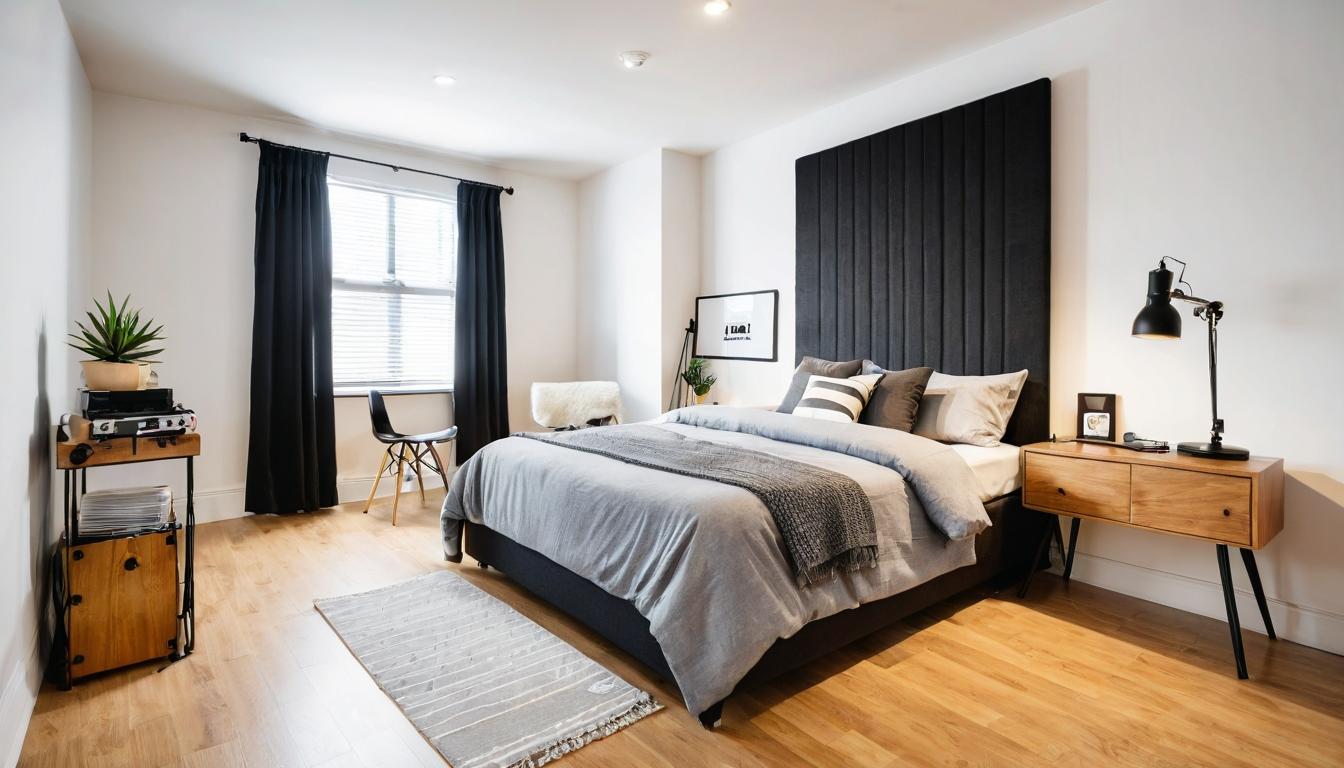
In the dim glow of laptop screens across Brooklyn bedrooms and Los Angeles basements, a quiet revolution is brewing. While mainstream charts cycle through familiar formulas, a new generation of producers—armed with nothing but cracked software, YouTube tutorials, and defiant creativity—is building the next wave of pop from the ground up. This isn't just about DIY ethics; it's about the complete democratization of sound creation, where geographic and economic barriers have dissolved into ethernet cables and shared Dropbox folders.
What's emerging from these digital workshops defies easy categorization. Artists like underscores and Jane Remover weave hyperpop textures with emo sincerity, while others like Frost Children and Quadeca blend glitchy experimentation with surprisingly catchy hooks. The common thread isn't a specific genre, but rather a shared disregard for traditional industry gatekeepers. These creators often release music directly to streaming platforms, build communities on Discord servers, and treat SoundCloud not as a stepping stone but as a legitimate home for finished art.
This shift has created fascinating new career paths that bypass traditional label systems entirely. Take the case of twenty-year-old producer aldn, who gained traction through TikTok snippets before his songs organically found their way onto Spotify editorial playlists. Or Ethel Cain, who built a devoted following through Bandcamp and Patreon long before signing any major deal. Their success stories reveal an industry in flux, where audience connection often matters more than radio promotion budgets.
Technology has been the great equalizer, but it's also created new challenges. The same tools that allow bedroom producers to create professional-sounding tracks have flooded the market with content, making discovery increasingly difficult. Algorithms favor consistency over experimentation, potentially pushing creators toward formulaic approaches just as they've gained creative freedom. Meanwhile, the economics remain precarious—streaming payouts are notoriously meager, and viral success doesn't always translate to sustainable income.
Yet the most exciting development might be how this underground movement is beginning to influence the mainstream. Billie Eilish's Grammy-winning debut was famously produced in a bedroom by her brother Finneas. Olivia Rodrigo's team has openly praised hyperpop's textural innovations. Even established artists like Charli XCX and 100 gecs have embraced the chaotic energy of this new wave, collaborating with relatively unknown producers and bringing their sounds to larger audiences.
What happens next depends on whether the industry adapts or resists. Some labels are creating specialized A&R positions focused on digital-native artists, while others are partnering with Discord communities rather than traditional scouts. Music journalism has struggled to keep pace—pitchfork.com and stereogum.com now regularly cover SoundCloud phenomena that would have been ignored a decade ago, while hypebot.com analyzes the business implications of this decentralized model.
The cultural impact extends beyond music itself. These communities have become incubators for visual aesthetics, fashion trends, and even new forms of storytelling. Album rollouts might involve ARG-style puzzles across multiple platforms, while merch drops feel more like art collectibles than traditional band t-shirts. The line between artist and audience blurs as fans contribute production ideas, create visual art, or even appear in music videos sourced through open casting calls.
As we stand at this crossroads, one thing seems certain: the bedroom isn't just where music is made anymore—it's where it's being reinvented. The sounds emerging from these intimate spaces carry the urgency of creation without permission, the raw energy of art made not for markets but for the sheer need to exist. They remind us that innovation rarely comes from boardrooms or focus groups, but from the quiet corners where people build worlds from whatever tools they can find.
This isn't a passing trend but a fundamental restructuring of how music reaches our ears. The underground has become the new mainstream pipeline, and the producers working in pajamas today might be defining pop's sound for the next decade. Their revolution isn't televised—it's streamed, shared, and constantly evolving in the spaces between sleep and creation, where the most exciting sounds are often born.
The underground sound renaissance: how bedroom producers are reshaping pop's future