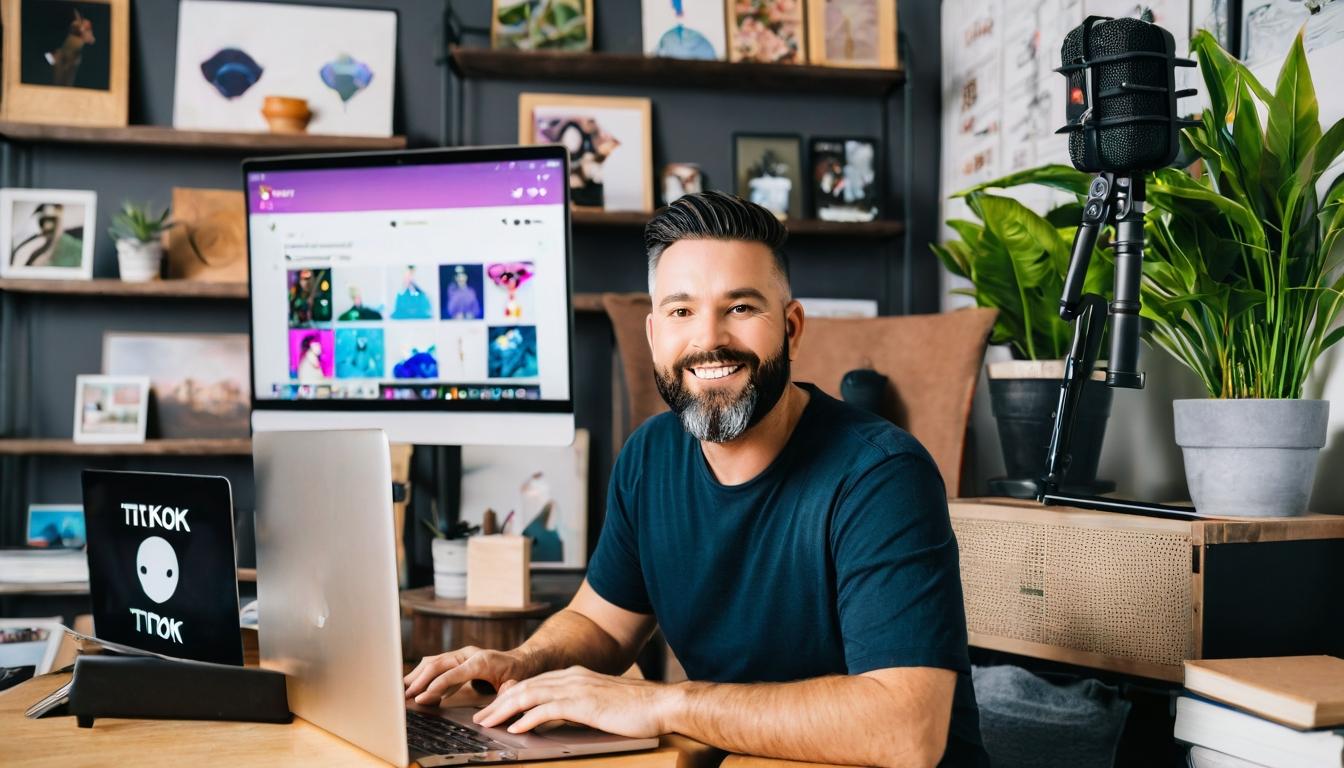
In the dim glow of laptop screens across the world, a quiet revolution is brewing. While mainstream charts continue to cycle through familiar formulas, a new generation of artists has quietly built thriving careers from their bedrooms, closets, and makeshift home studios. This isn't just about pandemic-era adaptation—it's a fundamental shift in how music gets made, discovered, and valued. The tools have democratized, but more importantly, the mindset has transformed. Where once a recording studio represented an insurmountable financial barrier, today's artists see limitations as creative fuel.
Platforms like Bandcamp have become more than digital storefronts; they've evolved into community hubs where fans directly support artists through purchases, subscriptions, and messages that often bypass traditional industry gatekeepers. The recent resurgence of cassette tapes and DIY vinyl pressing speaks to a desire for tangible connection in an increasingly digital landscape. Artists aren't just selling music—they're crafting entire ecosystems around their work, complete with zines, custom merchandise, and intimate virtual performances that feel more like conversations than concerts.
Meanwhile, algorithms continue to reshape discovery in unpredictable ways. TikTok's influence on breaking artists has been well-documented, but the real story lies in the platform's secondary effects. Niche micro-genres that would have remained underground a decade ago now find global audiences overnight. Hyperpop's glittering chaos, digicore's glitchy vulnerability, and ambient's streaming-era resurgence all share DNA with internet culture's rapid evolution. These aren't mere trends but distinct movements with their own visual aesthetics, production techniques, and community norms.
The environmental conversation has also found its way into music creation in unexpected ways. A growing number of producers are embracing 'green' production methods—from solar-powered home studios to sample packs sourced from field recordings of endangered ecosystems. This isn't just virtue signaling; it's part of a broader reconsideration of music's physical and ecological footprint. Vinyl's production bottlenecks have sparked innovation in sustainable alternatives, while digital artists grapple with the carbon cost of cloud storage and streaming.
Perhaps most intriguing is the blurring line between gaming and music ecosystems. Fortnite concerts were just the beginning—now we're seeing artists debut entire albums within virtual worlds, create interactive music experiences in platforms like Roblox, and design sonic identities for digital fashion collections. The metaverse might still be a buzzword in many circles, but for forward-thinking musicians, it represents a new frontier for artistic expression and fan engagement beyond physical limitations.
This DIY renaissance comes with its own tensions. As bedroom producers achieve viral success, traditional labels scramble to co-opt the aesthetic without the authenticity. The very tools that democratized production—AI-assisted composition, algorithmically-generated suggestions in digital audio workstations—threaten to homogenize the very individuality that made the movement compelling. There's a growing awareness that accessibility alone doesn't guarantee diversity of voices, prompting collectives to form around mentorship and resource-sharing for underrepresented creators.
What emerges from this landscape isn't a single sound or scene, but a proliferation of micro-communities each with their own values, aesthetics, and distribution methods. The through-line isn't musical style but approach: a preference for direct connection over mass appeal, sustainable practices over rapid growth, and creative autonomy over commercial compromise. As one producer recently put it during a late-night Discord session, 'We're not trying to make it—we're trying to make something that matters.'
This shift represents more than technological change; it's a philosophical reorientation of what it means to be a musician in the 2020s. The bedroom isn't just where music gets made anymore—it's where new industry models get tested, where communities get built, and where the future of sound gets quietly rewritten between homework assignments and day jobs. The revolution won't be televised; it'll be livestreamed from a closet studio at 2 AM, with chat open and creativity flowing freely.
The underground revival: how bedroom producers and DIY ethics are reshaping music