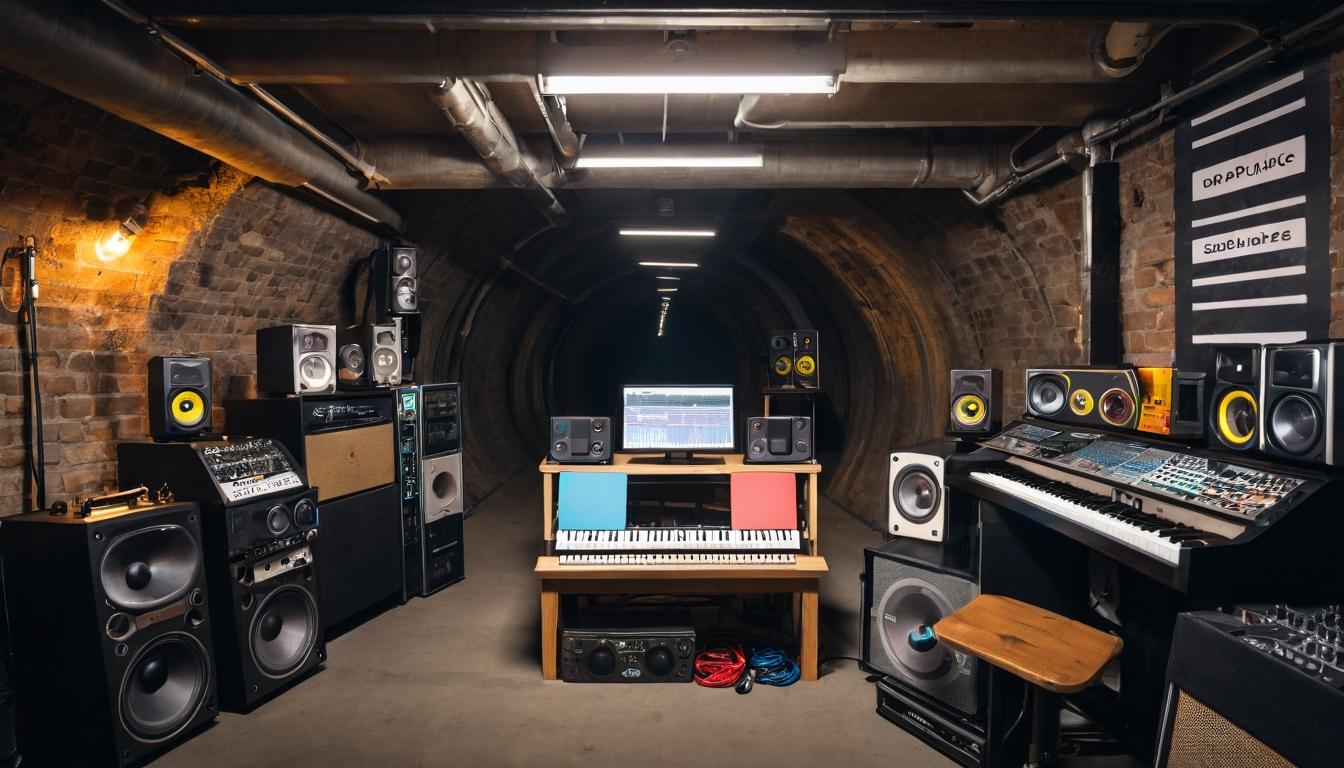
In the dimly lit corners of the internet, a quiet revolution is unfolding. While mainstream charts continue to cycle through familiar pop formulas, a parallel ecosystem has emerged where genre lines blur, regional scenes cross-pollinate, and listeners discover artists through pathways that didn't exist five years ago. This isn't about viral TikTok moments—though those certainly happen—but about a fundamental shift in how music reaches ears, driven by the very algorithms that were once criticized for homogenizing taste.
Walk into any independent venue from Brooklyn to Berlin, and you'll hear sounds that defy easy categorization: Nigerian drill layered with Baltimore club rhythms, hyperpop vocals over ambient soundscapes, or folk melodies twisted through modular synthesizers. These artists aren't breaking through via traditional radio play or major label marketing campaigns. Instead, they're building audiences through Spotify's Release Radar, Apple Music's personalized playlists, and the labyrinthine recommendation systems of YouTube and SoundCloud. The gatekeepers have changed from A&R executives to lines of code, and the results are both exhilarating and disorienting.
What's fascinating isn't just that algorithms recommend music, but how they're creating unexpected connections between disparate scenes. A listener who enjoys experimental hip-hop might be served a track from Kenya's gengetone scene, then a left-field electronic producer from Seoul, then a psychedelic cumbia collective from Peru—all within the same listening session. This digital cross-pollination is accelerating musical evolution at a pace unseen since the early days of sampling, creating hybrid genres faster than critics can name them.
Yet this algorithmic curation comes with its own shadows. Artists report gaming the system through strategic metadata, playlist payola scandals periodically surface, and there's growing concern about whether these systems truly promote diversity or simply create new, equally rigid filters. The most successful underground artists aren't just making compelling music—they're becoming adept at understanding platform dynamics, timing releases to algorithmic cycles, and cultivating communities across multiple digital spaces simultaneously.
Meanwhile, the physical world is responding. Independent labels are scouring streaming data to sign artists before traditional scouts notice them. Booking agents track which cities have concentrated listener clusters for niche genres. Vinyl pressing plants report orders for artists whose entire audience appears to exist primarily in digital spaces. The underground has become both everywhere and nowhere—simultaneously global in reach and intimate in connection.
This presents both unprecedented opportunity and new forms of precarity. An artist can gain an international following without ever leaving their bedroom studio, but that following might evaporate if platform algorithms change. Revenue remains notoriously difficult to extract from streaming, pushing artists toward Patreon, Bandcamp Fridays, and creative direct-to-fan models. The relationship between artist and audience has become more direct but also more mediated by corporate platforms whose interests don't always align with artistic sustainability.
What emerges from this tension is perhaps the most diverse musical landscape in history. Geographic and cultural barriers that once limited exposure have crumbled, allowing sounds from Accra's asakaa scene to influence producers in London, while Lisbon's batida rhythms find unexpected homes in Tokyo's underground clubs. The result isn't a global monoculture but a thriving ecosystem of micro-scenes, each with its own aesthetics, values, and distribution networks.
The true test will be whether this algorithmic underground can develop economic resilience to match its creative vitality. As major labels increasingly mine streaming data for signings, there's danger of co-option—yet there's equal evidence that decentralized networks can sustain themselves outside traditional industry structures. What's clear is that the future of music discovery has already arrived, and it looks nothing like the past.
The underground renaissance: how streaming's algorithms are reshaping music discovery