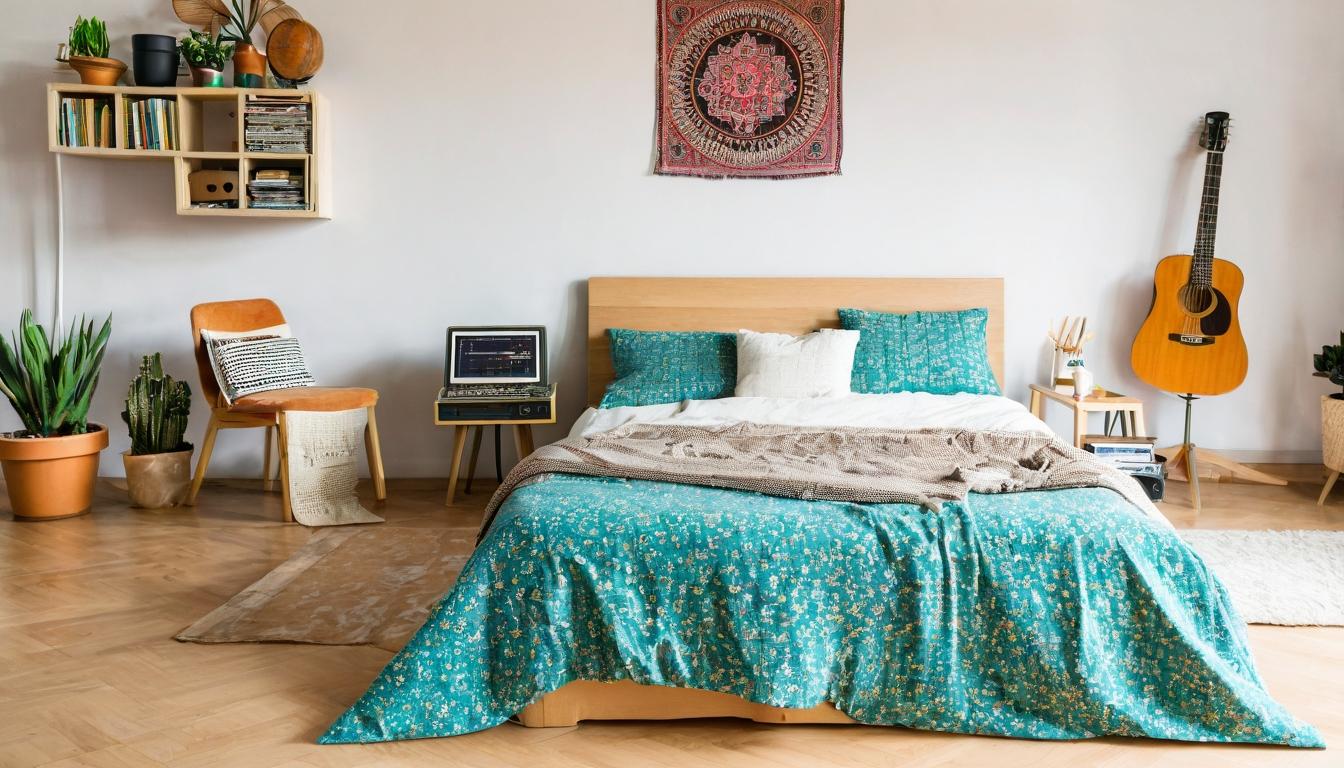
In the dim glow of a laptop screen, somewhere between a cluttered bedroom desk and the infinite scroll of social media feeds, a quiet revolution is brewing. While mainstream charts cycle through familiar formulas and algorithm-friendly hits, a parallel universe of sound has been flourishing in the shadows—one where geographic boundaries dissolve, genre labels become meaningless, and the very definition of 'success' is being rewritten by a generation armed with nothing but passion and a Wi-Fi connection.
This isn't just about music made in bedrooms; it's about ecosystems built in basements, communities forged in comment sections, and careers launched from Discord servers. The tools of creation have been democratized to an unprecedented degree—a quality microphone costs less than a pair of designer sneakers, professional-grade production software is available through affordable subscriptions, and distribution platforms put global reach in the hands of anyone with a finished track. What's emerging isn't merely a new wave of artists, but an entirely new paradigm for how music is conceived, shared, and sustained.
Listen closely to platforms like SoundCloud, Bandcamp, and even TikTok's more experimental corners, and you'll hear the future taking shape. Hyperpop's glittering chaos, digicore's fragmented textures, ambient's immersive soundscapes—these aren't just genres but manifestos. They reject the polished perfection of studio production in favor of intentional roughness, celebrating the glitches, the saturated drums, the vocal takes that crack with emotion rather than auto-tuned precision. The aesthetic isn't accidental; it's a political statement against the homogenization of mainstream sound.
What's most remarkable isn't the music itself, but the infrastructure supporting it. Independent labels operate as collectives rather than corporations, with decision-making often happening through group chats and shared Google Docs. Marketing budgets are replaced by genuine community engagement—artists responding to every comment, sharing their creative process in real-time, treating fans as collaborators rather than consumers. Revenue models have shifted from chasing record deals to building sustainable micro-economies through Patreon subscriptions, limited vinyl runs, and direct-to-fan merchandise that feels like secret handshakes rather than commercial products.
The geographical implications are equally transformative. A producer in Lisbon collaborates with a vocalist in Seoul, while a visual artist in Mexico City creates the artwork. Local scenes still matter—the DIY venues, the warehouse parties, the tape labels—but they now exist as nodes in a global network rather than isolated islands. This has created fascinating cultural hybrids: UK drill rhythms filtered through Japanese city pop sensibilities, traditional folk melodies reconstructed with glitchy electronic production, regional dialects finding international audiences through sheer sonic innovation.
Yet this renaissance faces its own existential challenges. Platform algorithms still favor consistency over experimentation, threatening to turn radical innovation into just another formula. The mental health toll of constant self-promotion in attention economies is rarely discussed. And as successful underground artists inevitably attract mainstream attention, they face impossible choices between preserving their creative freedom and accessing resources that could amplify their impact.
Perhaps the most significant development is how this movement is redefining artistry itself. The distinction between 'artist' and 'fan' blurs as listeners become curators, creating playlists that function as artistic statements, or remixing tracks into entirely new creations. The album is no longer the definitive artistic statement—it's just one artifact in a continuous flow of content that might include live streams, visual art, poetry, and social commentary. The artist becomes a universe rather than a product.
This isn't a temporary trend or a niche concern for music obsessives. The values emerging from this underground—collaboration over competition, authenticity over polish, community over celebrity—are seeping into the mainstream consciousness. Major labels now have scouts lurking in Discord servers, festival bookers program lineups based on TikTok buzz, and established artists increasingly adopt the DIY aesthetic and direct fan engagement strategies pioneered by their independent counterparts.
The revolution won't be televised, but it might be livestreamed from a teenager's bedroom at 3 AM. It won't have a clear leader or manifesto, but it will have countless creators pushing boundaries simply because they can. And while the music industry continues to debate streaming royalties and NFT possibilities, the real transformation is happening far from boardrooms, in the spaces between notes, in the connections forged through shared passion, in the brave decision to hit 'upload' on something that doesn't sound like anything else. The future of music isn't being decided—it's being composed, one track at a time, by anyone daring enough to listen to their own peculiar vision.
The underground renaissance: how bedroom producers and DIY ethics are reshaping music's future