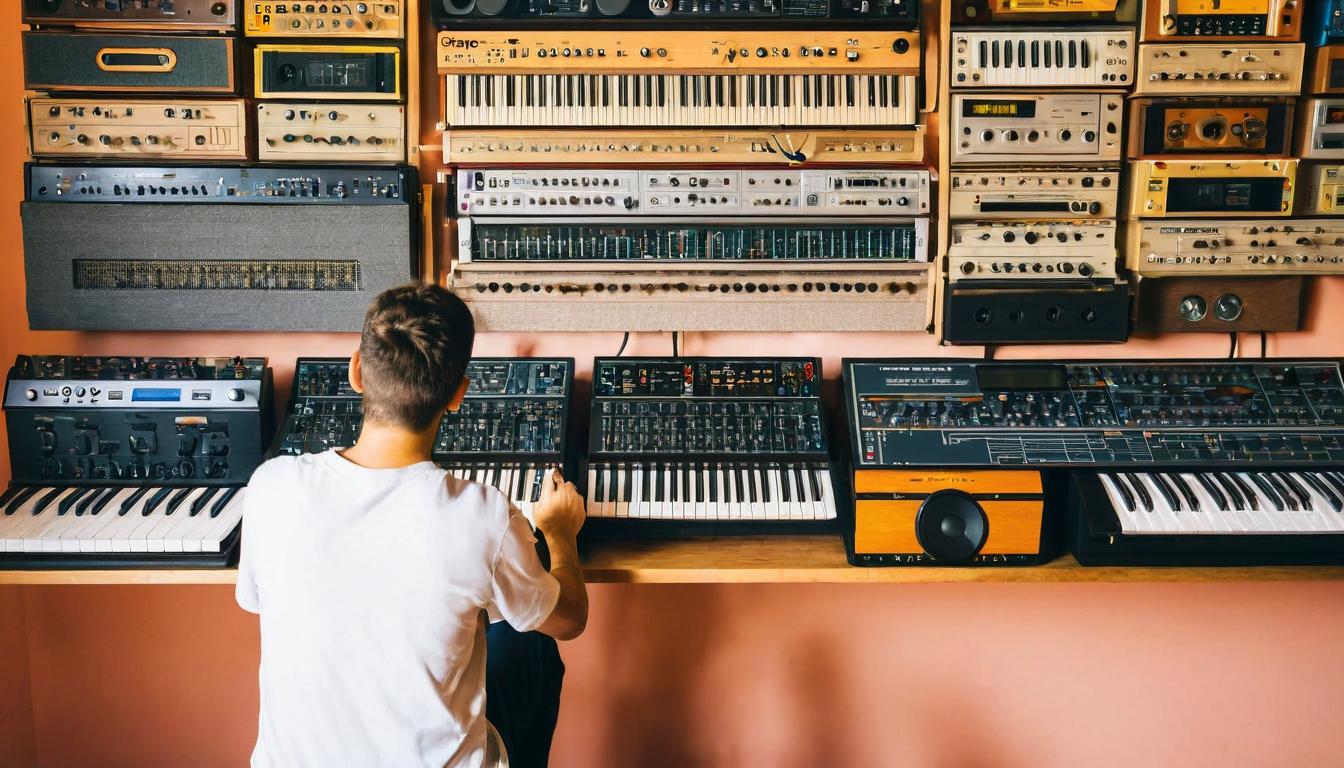
In a dimly lit bedroom in suburban Atlanta, a 19-year-old named Maya taps her laptop keyboard, sending a beat she crafted between college classes to an artist in Lagos. Two days later, that same track appears on a Spotify playlist with half a million followers. No A&R scout was involved, no label executive greenlit the collaboration, and no traditional studio ever saw a microphone. This isn't an anomaly—it's the new normal, a silent but seismic shift in how music is made, shared, and consumed, dismantling industry gatekeepers one DIY project at a time.
While major labels still dominate charts and headlines, a parallel ecosystem has flourished in the digital underground. Platforms like Bandcamp, SoundCloud, and TikTok have become the modern-day CBGBs, incubating genres that blur geographic and stylistic lines. Hyperpop's glitchy maximalism, digicore's internet-native angst, and the global spread of amapiano didn't emerge from boardrooms; they bubbled up from Discord servers, Twitch streams, and collaborative Google Drive folders. The tools of creation—once locked behind expensive studio doors—now fit in a backpack, empowering a generation that values authenticity over polish and community over corporate approval.
This democratization comes with a Faustian bargain. The barrier to entry has vanished, but so has the traditional path to sustainable income. Streaming payouts remain notoriously meager, leaving many artists to patch together livelihoods from Patreon subscriptions, sync licensing, and viral social media moments. The very algorithms that can catapult a unknown singer to overnight fame also create a relentless churn, favoring constant content output over artistic development. In this attention economy, the challenge isn't just getting heard—it's staying relevant long enough to build a career.
Yet, within this volatility lies unprecedented creative freedom. Artists are no longer bound by genre conventions or regional scenes, crafting sounds that draw equally from K-pop, reggaeton, and 2000s emo. Visual aesthetics are curated as carefully as the music itself, with album art, music videos, and social media personas forming a cohesive narrative. This holistic approach turns listeners into participants, fostering fandoms that organize streaming parties, dissect lyrics, and champion their favorite artists with missionary zeal.
The industry's old guard is scrambling to adapt, signing viral sensations and investing in data analytics to predict the next trend. But the true power has shifted to the creators themselves, who increasingly retain ownership of their masters and leverage direct-to-fan connections. From bedroom beats to global beats, the revolution isn't being televised—it's being streamed, shared, and sampled, rewriting the rules of music from the ground up.
The quiet revolution: how bedroom producers are reshaping music's power structures