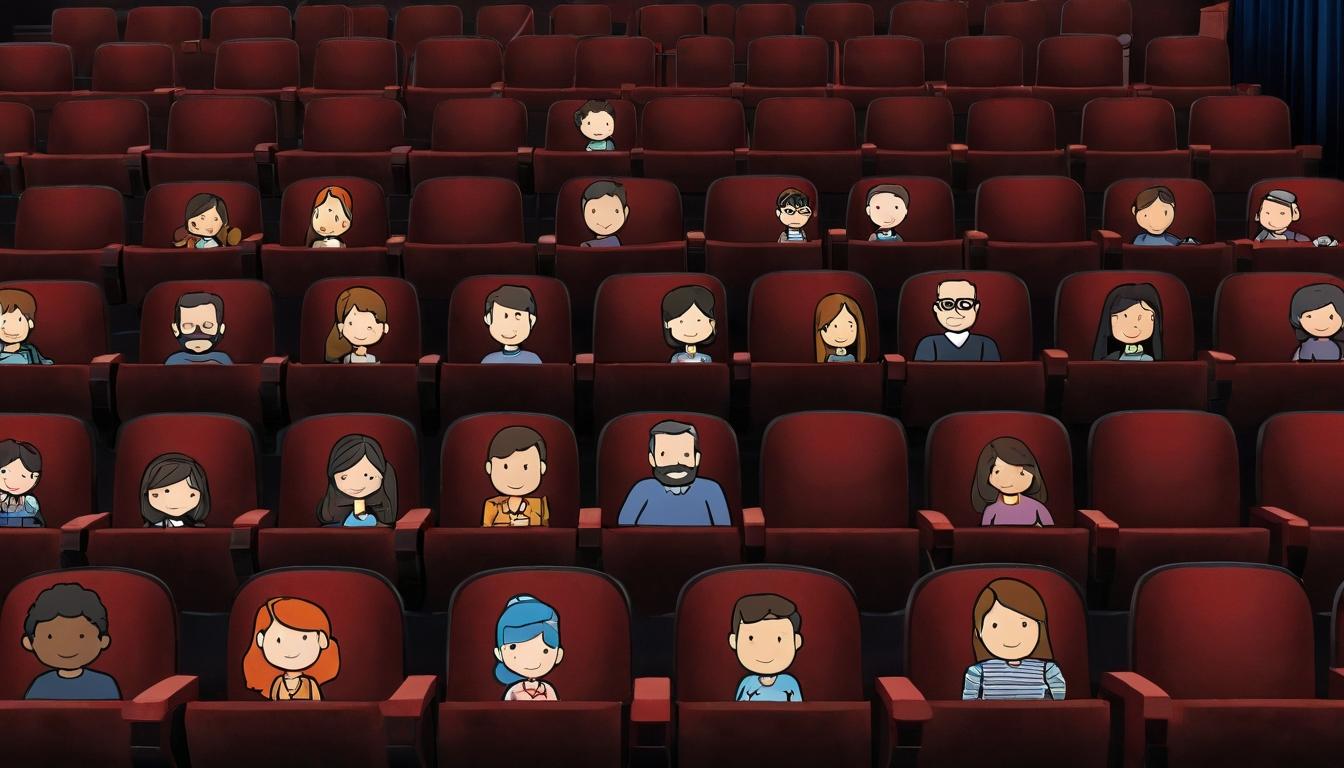
There's a peculiar phenomenon happening in our living rooms and on our devices that nobody seems to be talking about. We have more movies available at our fingertips than any generation in history – thousands upon thousands of titles across dozens of streaming platforms. Yet something feels missing. The very abundance that was supposed to liberate cinema has instead created a strange emptiness, a cultural paradox where quantity has somehow diminished quality's impact.
Walk into any film festival these days, and you'll hear the same whispered concerns among distributors and critics. The market is flooded, but the truly groundbreaking work struggles to find its audience. Independent filmmakers who once dreamed of theatrical releases now settle for being lost in the algorithmic shuffle of streaming services. The mid-budget drama – the kind that launched careers like Paul Thomas Anderson and Sofia Coppola – has become an endangered species, squeezed out by franchise behemoths on one side and micro-budget indies on the other.
What's fascinating is how this mirrors the restaurant industry's evolution. We went from having a handful of reliable neighborhood spots to facing endless options on delivery apps, yet often feeling less satisfied with our choices. The paradox of choice isn't just psychological – it's fundamentally changing how we consume and value art. When everything is available, nothing feels special. The shared cultural experience of waiting for a film's release, discussing it with friends, and anticipating its home video debut has been replaced by the lonely scroll through infinite options.
This isn't just nostalgia talking. The data tells a compelling story. According to streaming analytics, the average viewer spends more time browsing than watching – nearly 20 minutes per session deciding what to view. That's longer than many short films. We've become curators rather than audiences, judges rather than enthusiasts. The very technology that promised to connect us with more art has inserted itself as an intermediary, prioritizing engagement metrics over artistic merit.
Meanwhile, the theatrical experience has bifurcated into two extremes: the event film and the prestige picture. The middle ground where most adults used to find their entertainment – the smart thriller, the romantic comedy with actual stars, the character-driven drama – has largely migrated to television. Cinema has ceded territory to the limited series, creating a generation that associates quality storytelling with eight-hour commitments rather than two-hour masterpieces.
There's an economic dimension to this that's often overlooked. The streaming wars created a temporary gold rush for content, but that bubble is deflating. As platforms consolidate and cut costs, the easy money for mediocre projects is drying up. What remains is a landscape where only the safest bets get greenlit, while riskier, more interesting projects struggle to find funding. The independent film ecosystem that nurtured filmmakers for decades is being systematically dismantled, replaced by an algorithm-driven content machine.
Yet within this challenging environment, fascinating counter-movements are emerging. The success of films like 'Everything Everywhere All at Once' proves that audiences still hunger for originality when it breaks through the noise. Regional cinema is experiencing a renaissance as viewers seek authentic stories untouched by corporate homogenization. The very technology that created this glut of content is also enabling new distribution models, from virtual cinema partnerships to filmmaker-led streaming collectives.
What's becoming clear is that we're living through a transitional period in how cinema functions in our culture. The old models are breaking down, but the new ones haven't fully formed. This creates both crisis and opportunity. For filmmakers, it means learning to navigate a fragmented landscape while holding onto artistic integrity. For audiences, it requires becoming more intentional about what we watch and how we support the art we value.
The solution might not be technological but social. Just as foodies rediscovered farmers markets and local producers in response to industrialized agriculture, cinephiles are building new communities around curated screenings, film clubs, and independent theaters. The very human desire for shared experience and discovery is reasserting itself against the isolation of algorithm-driven consumption.
What's at stake isn't just entertainment but something more fundamental – cinema's role as a mirror to our society, a catalyst for conversation, and a vehicle for empathy. The streaming revolution promised to democratize filmmaking, but true democracy requires more than access; it requires discernment, context, and community. We're learning that having everything available means we must work harder to find what matters.
The next decade will determine whether cinema evolves into something new and vital or devolves into content slurry. The choices we make as viewers – what we watch, how we talk about it, what we support – will shape that future more than any corporate strategy or technological innovation. The paradox of plenty might just be the creative challenge that revitalizes an art form in crisis.
The streaming paradox: Why we're drowning in content yet starving for great cinema