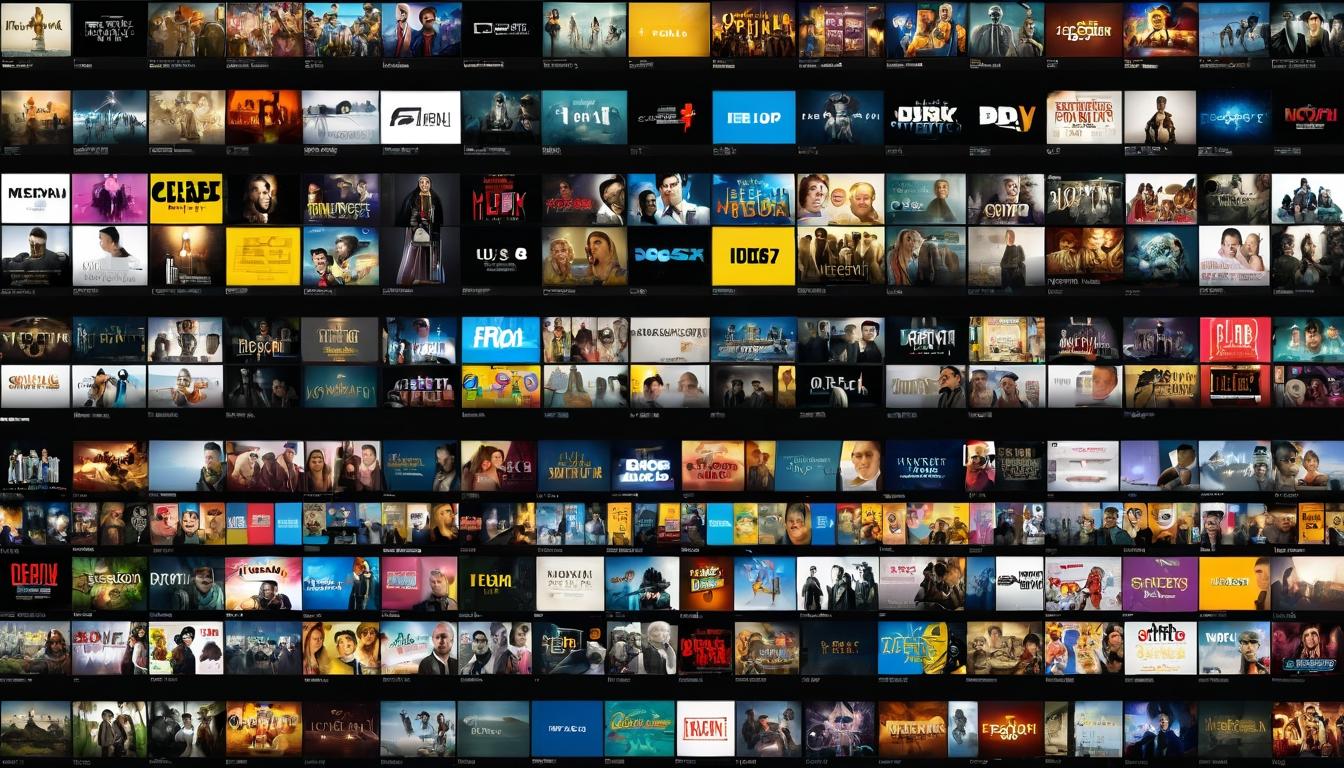
There's a peculiar contradiction haunting modern cinema. We're living through what should be Hollywood's golden age—more films than ever before, available instantly, with production values that would have bankrupted studios just two decades ago. Yet walk out of any theater or close any streaming app, and you'll hear the same refrain: "There's nothing good to watch." This isn't just viewer fatigue; it's the streaming paradox in full effect.
Streaming platforms have become digital hoarders, amassing libraries so vast they defy human comprehension. Netflix alone adds approximately 1,500 hours of new content monthly—enough to watch continuously for two months without repetition. The problem isn't scarcity but overwhelming abundance without curation. When everything is available, nothing feels special. The thrill of discovery has been replaced by the anxiety of choice.
This content explosion has fundamentally altered how films are made and marketed. The mid-budget drama—once the backbone of adult cinema—has largely vanished from theaters, migrating to streaming services where it competes with reality shows and true crime documentaries for viewer attention. The result is a bifurcated industry: either $200 million blockbusters designed for global appeal or micro-budget films made for niche audiences, with little room for anything in between.
The algorithm-driven recommendation systems that power these platforms have created their own creative feedback loop. Studios now greenlight projects based on what similar viewers have watched, leading to an endless stream of marginally different variations on proven formulas. It's creative Darwinism gone wrong—survival of the most similar rather than the fittest.
Yet within this content glut, genuine innovation persists in unexpected corners. International cinema has found unprecedented global reach through streaming, with South Korean thrillers, Nigerian dramas, and Scandinavian noir crossing borders that would have contained them just a decade ago. The very platforms creating the homogeneity problem are simultaneously solving the accessibility problem that plagued foreign film distribution for generations.
The theatrical experience has been forced to evolve in response. Premium formats like IMAX, 4DX, and Dolby Cinema offer sensory experiences that streaming can't replicate. Meanwhile, independent theaters have become community hubs, curating specialized programming and hosting filmmaker Q&As that transform moviegoing from passive consumption into cultural participation.
What's emerging is a new ecosystem where different platforms serve different cinematic needs. Streaming for convenience and discovery, theaters for spectacle and community, and film festivals for curation and conversation. The future of cinema isn't about one format dominating others, but about understanding which experience serves which purpose.
The most exciting development might be what's happening below the surface. While mainstream attention focuses on streaming wars and box office totals, a quiet revolution in documentary filmmaking is underway. Streaming platforms have created sustainable funding models for nonfiction films that previously struggled to find distribution, resulting in an unprecedented golden age for documentary cinema.
This documentary renaissance reveals something crucial about our relationship with film in the digital age. In an era of manufactured reality and algorithmic fiction, audiences crave authenticity. The success of films exploring real stories—from environmental crises to personal triumphs—suggests we're using cinema not just to escape reality but to understand it more deeply.
The streaming era has also democratized film criticism in fascinating ways. Where once a handful of newspaper critics determined a film's fate, now thousands of voices on social media and review platforms create complex, multi-faceted conversations about every release. This democratization has its downsides—mob mentality and review bombing—but it's also created space for marginalized perspectives that traditional criticism often excluded.
Looking ahead, the most significant shift might be in how we define cinema itself. The boundaries between film, television, and interactive media are blurring. Limited series with cinematic production values, video games with elaborate narratives, and virtual reality experiences all compete for the same cultural space that movies once dominated exclusively.
What remains constant is our fundamental need for stories. The platforms may change, the business models may evolve, but the human desire to see our lives reflected and transformed through narrative endures. The challenge for filmmakers, distributors, and viewers alike is to navigate this new landscape without losing sight of why we fell in love with movies in the first place.
The streaming paradox ultimately reflects a deeper tension in modern life: between infinite choice and meaningful selection, between global access and local identity, between algorithmic efficiency and human curation. How we resolve these tensions will determine not just what we watch, but what stories get told for generations to come.
The streaming paradox: Why Hollywood's golden age feels like a content wasteland