If you've ever sat through the credits of a Marvel movie, you've witnessed a curious phenomenon. As the names of thousands of crew members scroll by at dizzying speed, the theater empties. Only a handful of die-hard fans remain, waiting for that post-credits scene. This mass exodus isn't just about impatience—it's a symptom of a deeper cultural blind spot. We celebrate actors and directors with red carpets and magazine covers, while the artists who literally build the worlds we escape to remain anonymous.
Consider the production designer. While the director provides the vision, it's the production designer who translates that vision into physical reality. They're responsible for every set, every prop, every color palette that appears on screen. Their work begins months before filming and continues through every location scout and construction meeting. Yet, ask the average moviegoer to name the production designer of their favorite film, and you'll likely be met with a blank stare.
Then there's the sound designer, the true architect of atmosphere. While we notice the score and the dialogue, it's the subtle layers of sound that create immersion—the distant hum of a spaceship, the specific crunch of footsteps on gravel, the barely audible whisper that raises hairs on your neck. These artists spend weeks recording, mixing, and layering sounds, often creating entirely new ones from scratch. Their work is felt more than heard, operating on a subconscious level that makes fictional worlds feel tangible.
Costume designers face a particularly challenging paradox. When their work is most successful, it becomes invisible—the clothing feels so authentic to the character that we forget someone designed it. They must balance historical accuracy, character psychology, actor comfort, and directorial vision, often creating hundreds of pieces for a single production. Yet their names rarely appear in promotional materials, and their contributions are frequently reduced to 'wardrobe' in casual conversation.
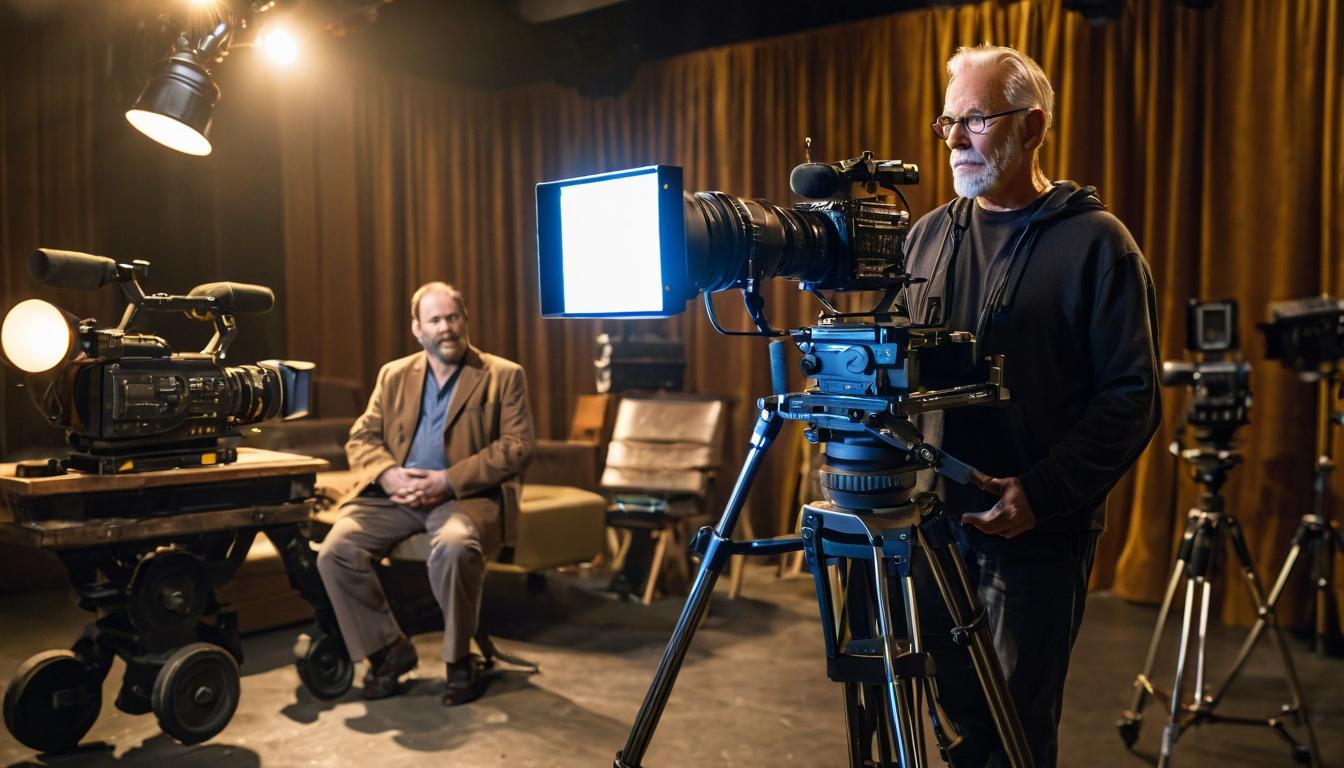
The cinematographer, while slightly more recognized, still operates in the director's shadow. They're responsible for the visual language of the film—the lighting, camera movement, and composition that tell the story without words. Every frame is a deliberate choice, every shadow placed with intention. Yet in interviews, we hear directors discuss 'my vision' while the cinematographer who executed that vision remains in the background.
This hierarchy isn't just about credit—it's about compensation and creative control. While A-list actors command millions, even Oscar-winning crew members struggle for fair pay and recognition. The recent strikes highlighted this disparity, with below-the-line workers fighting for residuals that reflect their essential contributions. When a film becomes a franchise, actors and directors reap ongoing rewards while the artists who established the visual identity see little beyond their initial paycheck.
There's also a gender dimension worth examining. While directing and producing remain male-dominated, many below-the-line positions see greater gender diversity. Yet these positions receive less attention and respect, creating a troubling correlation between feminized labor and cultural invisibility. The costume designer, traditionally a female role, is often treated as 'decorative' rather than essential storytelling.
Some filmmakers are pushing back against this culture. Christopher Nolan famously includes his key crew in press tours. The Daniels brought their entire creative team to the Everything Everywhere All at Once Oscar wins. These gestures matter—they signal that filmmaking is collaborative art, not auteur theory in practice. When audiences see the faces behind the magic, they begin to understand the scale of collaboration required to make a movie.
The streaming era has introduced new challenges and opportunities. With home viewing, credits are often skipped entirely or minimized in small windows. Yet streaming platforms also allow for special features that highlight craft—behind-the-scenes documentaries, interviews with department heads, and interactive content that reveals the artistry involved. The question is whether platforms will prioritize this educational content or continue treating credits as contractual obligations to be minimized.
What would happen if we started paying attention? If we learned the names of our favorite production designers as readily as we learn directors? If film criticism regularly analyzed sound design and costume choices alongside performances? The entire culture of film appreciation would deepen. We'd understand movies not as products but as complex collaborations, appreciating the symphony of talents required to create magic.
Next time you watch a film, try this experiment: stay for the credits. Read the job titles—gaffer, key grip, best boy, foley artist. Google the unfamiliar terms. Notice how many names appear. Then imagine what it takes to coordinate all those artists toward a single vision. You might still leave before the end, but you'll carry with you a new understanding of what movie magic really means—not the sparkle of celebrity, but the collective genius of invisible artists.
The invisible art: why Hollywood's unsung heroes deserve more than just end-credit scrolls