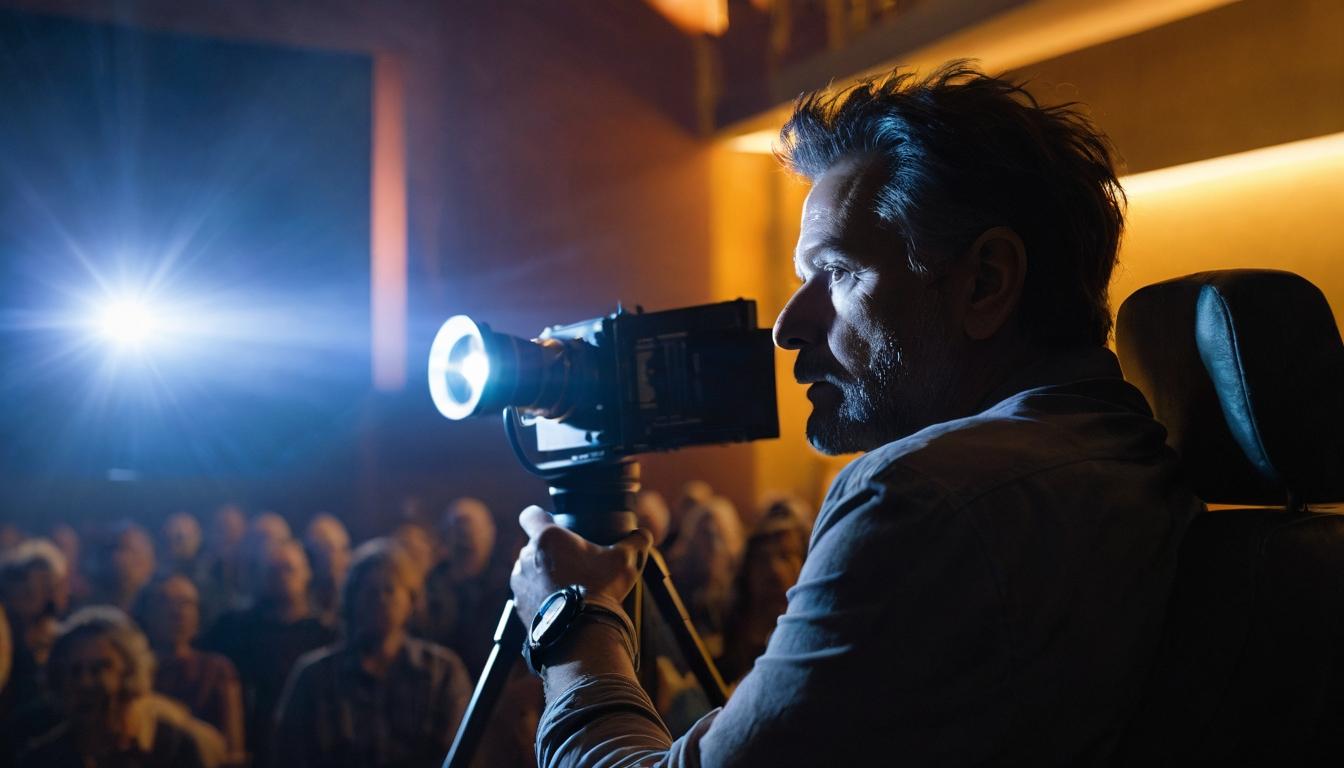
In the darkened theater, as the latest blockbuster unfolds, our eyes are glued to the screen—but it's our ears that are doing the most sophisticated work. While visual effects budgets make headlines and actor salaries dominate trade publications, a quiet revolution has been occurring in sound studios worldwide. This isn't about louder explosions or clearer dialogue; it's about how sound has become cinema's most sophisticated storytelling tool, reshaping narratives in ways that audiences feel but rarely notice.
Walk into any major post-production facility today, and you'll find sound designers who are part psychoacoustician, part narrative architect. They're not just adding sounds to pictures; they're creating emotional landscapes that guide viewers through complex psychological terrain. The subtle hum in a character's apartment that disappears when they feel safe, the way ambient noise thickens during moments of anxiety, the almost imperceptible shift in room tone when a relationship dynamic changes—these aren't accidents. They're meticulously crafted emotional signposts.
Consider what's happening beneath the surface of recent award contenders. In films that explore memory and trauma, sound designers are using frequency manipulation to create what some call 'sonic ghosts'—sounds that exist at the edge of perception, triggering emotional responses before the conscious mind registers why. It's neuroscience applied to storytelling: certain frequencies can elevate heart rates, trigger memory recall, or create feelings of unease without a single visual cue.
The technology enabling this revolution would have been science fiction a decade ago. AI-assisted sound design tools can now analyze scripts and suggest emotional soundscapes. Spatial audio formats have evolved beyond simple surround sound to create three-dimensional sonic environments where sounds move not just left to right, but above, below, and through the listener. In some premium theaters, the very seats vibrate with frequencies below human hearing—a somatic storytelling layer that bypasses ears entirely.
Yet this sonic sophistication creates a paradox: the better the sound design, the less audiences notice it. The most effective work disappears into the viewing experience, felt rather than heard. This creates an industry dilemma—how do you award excellence in something designed to be invisible? Sound categories at major awards shows often go to the loudest or most obvious work, while subtle, transformative design goes unrecognized.
Independent filmmakers have become unexpected pioneers in this space. Unburdened by blockbuster expectations, they're using sound as their primary narrative device. Some recent festival darlings feature scenes with minimal dialogue where the entire emotional arc is carried by evolving soundscapes. These filmmakers treat sound not as post-production polish, but as fundamental architecture—the blueprint around which visuals are built.
The streaming era has accelerated this evolution in unexpected ways. With viewers consuming content on everything from theater-quality home systems to smartphone speakers, sound designers now create multiple mixes for different platforms. The same film might have a dense, layered mix for premium subscribers and a streamlined version for mobile viewing—essentially creating parallel sonic narratives for the same visual story.
What emerges from conversations with these sonic artists is a fundamental shift in how we understand cinema itself. We've long accepted that films are a visual medium, but the most innovative creators today approach them as sensory experiences where sound doesn't support the image—it converses with it. A glance becomes charged not by the actor's expression alone, but by the sonic environment that surrounds it. A landscape becomes haunting not because of how it looks, but because of how it sounds.
This revolution remains largely undocumented in mainstream film coverage. While every publication analyzes cinematography and production design, the sophisticated work happening in sound design suites goes largely unreported. Yet it's here that some of cinema's most innovative storytelling is occurring—in frequencies and silences, in the space between sounds, in the emotional mathematics of what we hear versus what we see.
As virtual and augmented reality platforms mature, sound designers are poised to become the primary architects of immersive experience. The lessons learned in cinema's quiet revolution—how sound shapes emotion, guides attention, and creates psychological space—are becoming the foundation for entirely new narrative forms. The next generation of storytellers may well be those who think not in frames per second, but in hertz and decibels.
What's clear is that we're witnessing not just technical advancement, but a philosophical shift. Sound has moved from cinema's supporting player to its secret director—shaping narratives from the shadows, guiding emotions through frequencies, and proving that sometimes the most powerful stories aren't seen, but heard. In an industry obsessed with what's visible, the true innovation is happening where our eyes can't follow.
The invisible art: how sound design is quietly revolutionizing modern cinema