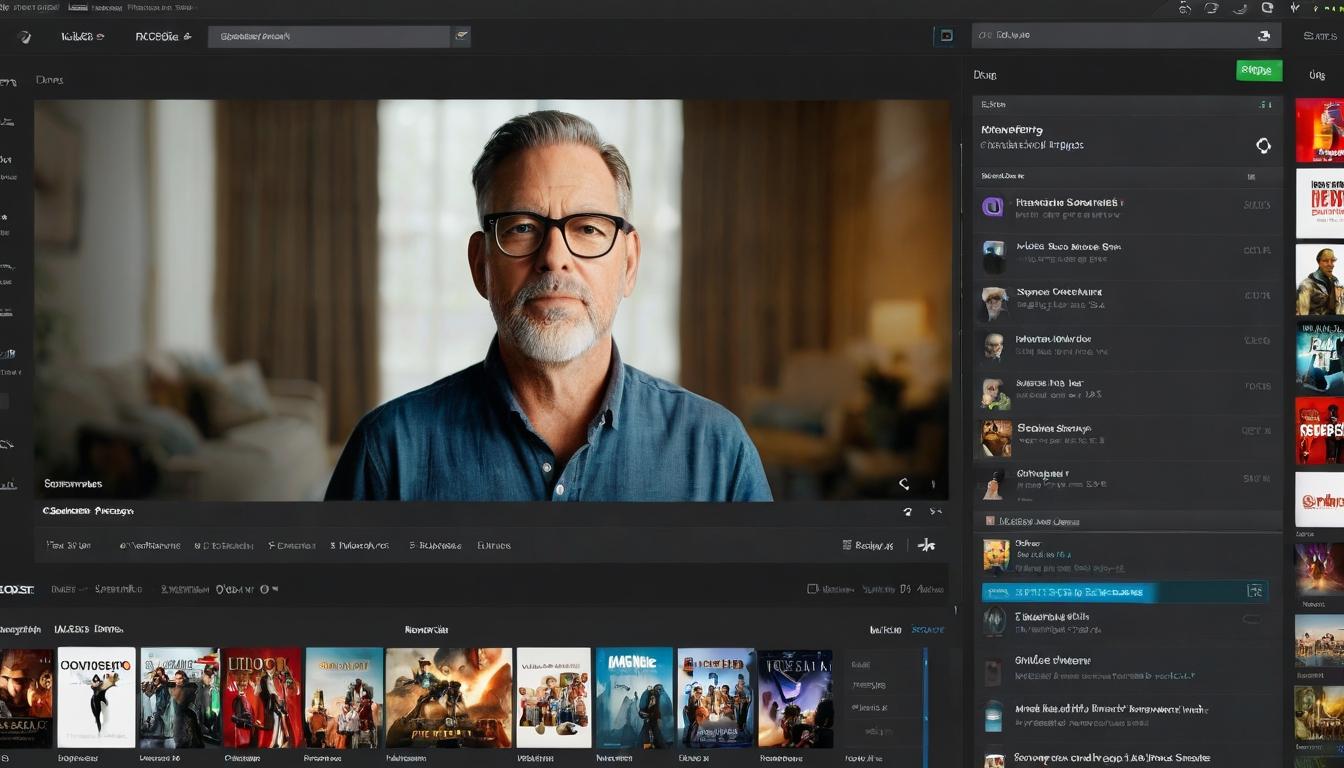
If you've ever searched for a movie or series only to find it's vanished from your streaming service, you're not alone. This isn't random housekeeping—it's a calculated financial strategy that's reshaping what we watch and what gets preserved. The digital shelves are getting emptier, and the reasons reveal a fundamental shift in how entertainment is valued.
Streaming platforms initially promised infinite libraries, but that utopian vision has collided with harsh economic realities. When Netflix, Disney+, and others licensed content, they often did so with time-limited agreements. As those contracts expire, studios are pulling their properties back to their own services or selling them to the highest bidder. The result? A revolving door of content that makes today's must-watch show tomorrow's digital ghost.
What's disappearing isn't just random content—it's often the very shows that built these platforms' early reputations. Cult classics, niche documentaries, and entire animation libraries are vanishing into corporate vaults. The financial calculus is brutal: if a show isn't driving new subscriptions or keeping current subscribers engaged, its licensing cost becomes hard to justify. Even original productions aren't safe, with some being removed entirely to avoid residual payments.
This content purge has created a bizarre new phenomenon: the 'streaming orphan.' These are shows and movies that bounce between services, never finding a permanent home. For viewers, it means maintaining multiple subscriptions just to access scattered favorites. For filmmakers, it means their work might be inaccessible for years at a time, trapped in licensing limbo between corporate giants.
The physical media resurgence isn't just nostalgia—it's a direct response to this instability. As streaming libraries shrink, collectors are snapping up Blu-rays and DVDs, creating a parallel market for 'endangered' entertainment. Specialty labels like Criterion and Shout Factory are thriving by offering permanent, high-quality versions of films that might disappear from streaming tomorrow.
Behind the scenes, a new kind of content arbitrage is emerging. Middlemen companies now specialize in tracking licensing expirations and negotiating short-term streaming deals. Some producers are deliberately creating content designed for this churn—shows with high initial impact but minimal long-term value, perfect for the streaming merry-go-round.
The human cost is substantial. Below-the-line workers—editors, composers, costume designers—see their work disappear, potentially affecting future employment. Emerging filmmakers struggle when their debut feature vanishes just as they're trying to build an audience. Even established creators face the frustration of their catalog being split across competing platforms.
This isn't just about convenience—it's about cultural preservation. When films and shows exist only on corporate servers, their availability depends entirely on profit calculations. The streaming era promised democratized access but is creating new gatekeepers. What gets saved and what gets deleted may determine what future generations consider important cinema.
Some platforms are experimenting with hybrid models. Warner Bros. Discovery has created a 'vault' section for rotating classic content. Others offer digital purchases alongside subscriptions. But these are partial solutions to a systemic problem: when entertainment becomes purely digital, it becomes inherently temporary.
The solution might lie in changing how we value content. Instead of judging shows solely by immediate viewer numbers, platforms could consider cultural impact, critical reception, and artistic merit. Some independent services already do this, maintaining smaller but more stable libraries of carefully curated films.
For now, the great streaming purge continues. Your watchlist isn't just entertainment—it's a temporary collection in a constantly shifting landscape. The shows you love today might be gone tomorrow, not because they're bad, but because the spreadsheet says they're not profitable enough. In the algorithm's cold calculation, art is just another data point.
The hidden economics of Hollywood's streaming gamble: why your favorite shows keep disappearing