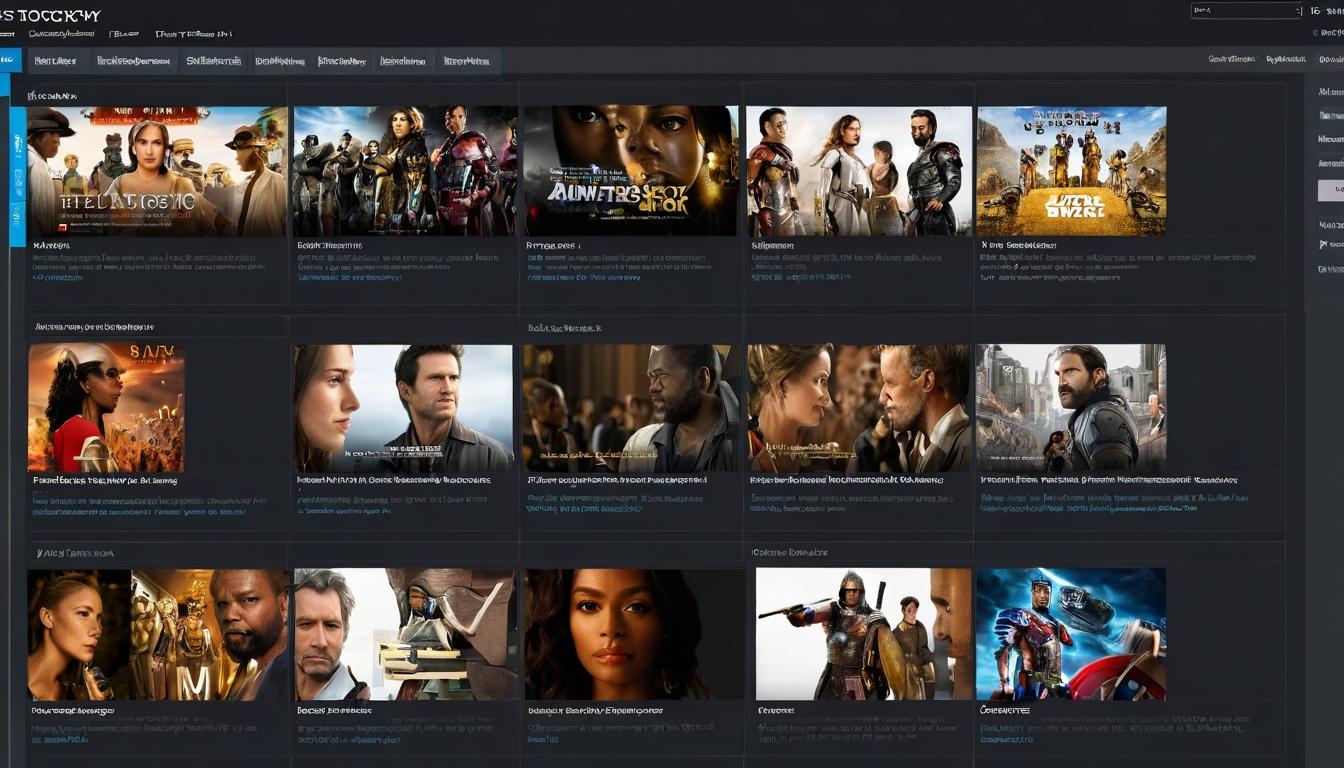
If you've scrolled through Netflix, Hulu, or Amazon Prime recently, you might have noticed something peculiar. The same handful of movies keep appearing in your recommendations, while others—sometimes critically acclaimed gems—seem to vanish into the digital ether. This isn't coincidence. It's the result of a quiet revolution happening behind the scenes, where streaming platforms are using sophisticated algorithms to dictate what we watch, and in doing so, they're fundamentally altering the film industry.
These algorithms aren't just suggesting movies; they're actively shaping production decisions. Studios now have access to unprecedented amounts of data about viewer preferences, from the exact moment viewers lose interest to which genres perform best in specific regions. This data-driven approach has led to a surge in content that's designed by committee, optimized for maximum engagement rather than artistic expression. The result? A flood of safe, formulaic films that prioritize watch time over storytelling innovation.
But the influence doesn't stop there. Streaming services have also changed how movies are marketed—or rather, how they're not marketed. Traditional promotional campaigns, with their red carpets and talk show appearances, are being replaced by targeted digital ads that appear only on the devices of users deemed likely to watch. This creates a fragmented viewing experience where two people in the same household might see entirely different "trending" lists, based on their individual viewing histories.
Perhaps most concerning is the impact on diversity in film. Algorithms tend to reinforce existing patterns, recommending more of what you've already watched. This creates a feedback loop that can marginalize niche genres, independent films, and works by underrepresented filmmakers. If a movie doesn't fit neatly into the algorithm's predefined categories, it risks being buried, regardless of its artistic merit.
Yet, there's a glimmer of resistance. Some filmmakers are finding clever ways to game the system, using metadata and strategic release patterns to ensure their work gets seen. Others are turning to alternative platforms that prioritize curation over algorithms, creating spaces where human taste still matters. These efforts suggest that while algorithms are powerful, they haven't completely erased the human element from cinema.
The battle for your attention is far from over. As streaming services continue to refine their algorithms, the question remains: will data-driven decision-making lead to a golden age of perfectly tailored entertainment, or will it homogenize our cultural landscape beyond recognition? The answer may depend on whether we, as viewers, are willing to look beyond the recommendations and seek out the stories that algorithms might otherwise hide.
The hidden battle for your eyeballs: how streaming algorithms are quietly reshaping cinema