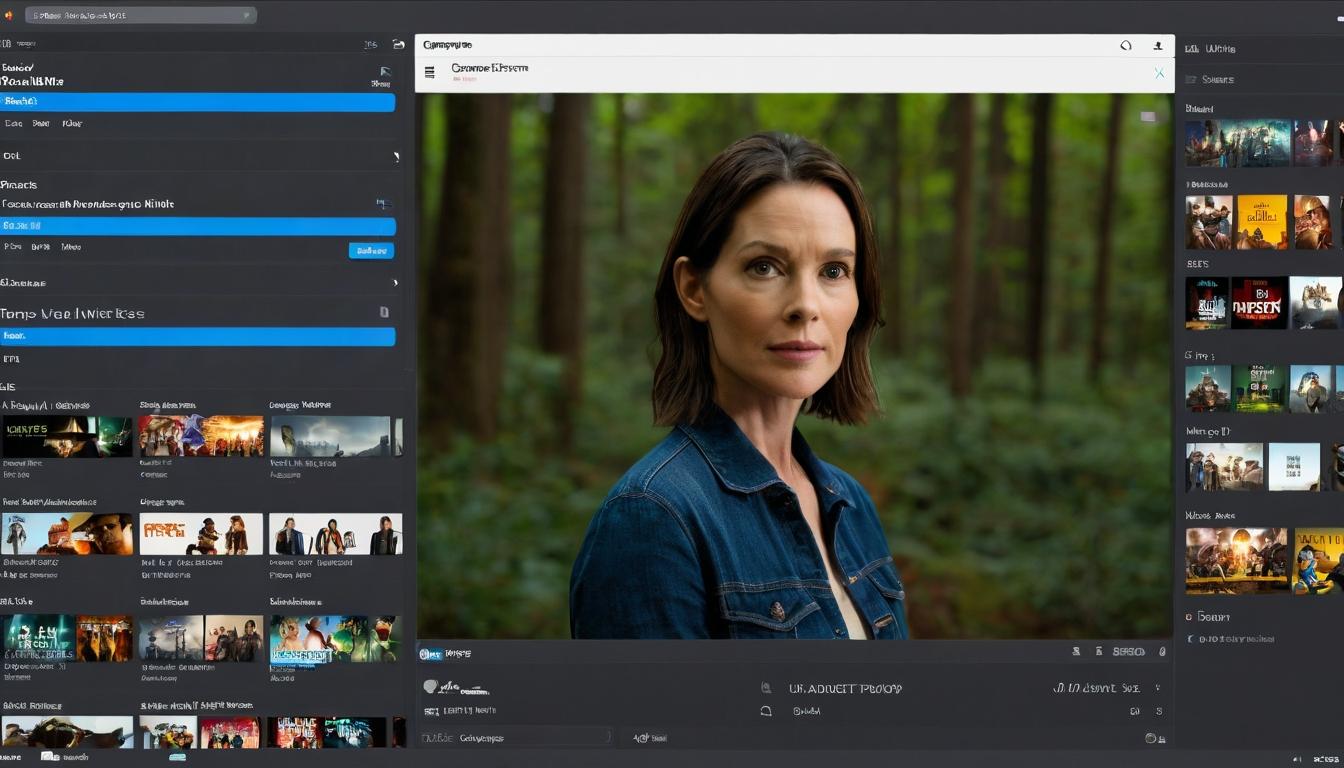
If you've scrolled through Netflix, Hulu, or Amazon Prime recently, you might have noticed something peculiar. The same faces keep appearing, the same genres dominate your recommendations, and the 'trending now' section feels suspiciously repetitive. This isn't coincidence—it's calculation. Behind the glossy interfaces of our favorite streaming platforms, complex algorithms are making decisions that are quietly transforming the film industry in ways audiences never see coming.
These digital gatekeepers don't just suggest what to watch next; they're increasingly determining what gets made in the first place. Studio executives who once relied on gut instinct and test screenings now pour over dashboards filled with viewer data. They track completion rates, pause patterns, and even which scenes get rewound. The result? A new era of filmmaking where creative risks are being systematically eliminated in favor of algorithmic certainty.
Consider the curious case of the mid-budget drama. Once the backbone of Hollywood, these character-driven stories have become endangered species in the streaming age. Algorithms favor either big-budget spectacles with global appeal or micro-budget content that can be produced cheaply and in bulk. The middle ground—where most human stories naturally reside—is disappearing from development slates at an alarming rate.
Meanwhile, a new type of filmmaker is emerging: the algorithm whisperer. These directors and producers have learned to 'game' the system by creating content specifically designed to trigger positive algorithmic responses. They know exactly how long to make their opening sequences, when to introduce key characters, and which emotional beats will keep viewers from reaching for their phones. Some even employ data scientists as part of their creative teams.
The impact extends beyond what we see on screen to who gets to make films in the first place. Streaming platforms claim their algorithms are objective, but the data they're built on reflects historical biases in the industry. If previous hits were predominantly directed by men, the algorithm learns to favor male-directed projects. If certain types of stories have traditionally performed well with test audiences, those patterns get baked into the system, creating a feedback loop that resists change.
Perhaps most concerning is what happens to the films that don't fit the algorithmic mold. Streaming services have become notorious for acquiring festival favorites and indie darlings, only to bury them in their catalogs without proper promotion. These films might win critical acclaim, but if the algorithm determines they won't attract enough viewers, they're essentially sentenced to digital oblivion—available in theory but impossible to find in practice.
Audiences are beginning to push back against this invisible curation. Social media platforms are filled with complaints about homogenized content and the difficulty of discovering anything outside the algorithmic mainstream. Some viewers have developed elaborate workarounds, creating fake profiles or deliberately watching unusual content to 'trick' the algorithms into showing them something different.
What does this mean for the future of cinema? The tension between art and algorithm is creating two parallel film industries. One produces content designed to satisfy digital gatekeepers—safe, predictable, and optimized for engagement metrics. The other exists in the margins, fighting for attention in an increasingly crowded digital landscape. The films that manage to bridge these worlds—that satisfy both artistic vision and algorithmic requirements—are becoming rare exceptions rather than the rule.
The solution isn't to abandon algorithms altogether. These tools can help audiences discover films they might otherwise miss and provide valuable insights into viewer preferences. But transparency is crucial. Streaming services need to be more open about how their recommendation systems work and give viewers more control over their digital environments. Filmmakers deserve to know what data is being used to evaluate their work, and audiences should understand why they're being shown certain content.
As we stand at this crossroads, one thing is clear: the invisible hand of the algorithm is now one of the most powerful forces in cinema. Whether it becomes a tool for expanding our cinematic horizons or a mechanism for narrowing them depends on the choices we make today. The future of film isn't just being written in screenplays—it's being coded in algorithms most of us will never see.
The hidden algorithm: how streaming services are secretly reshaping cinema