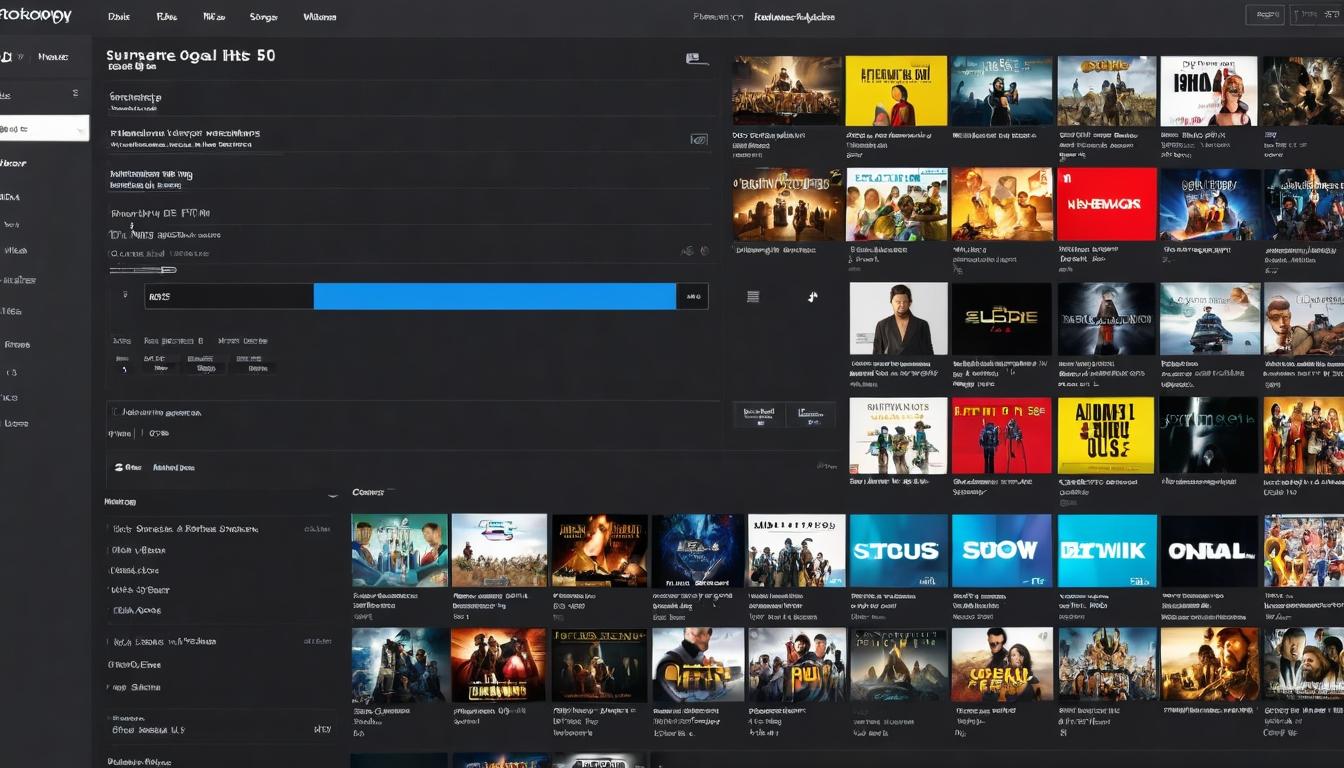
If you've ever found yourself scrolling through Netflix for forty-five minutes only to rewatch The Office for the seventh time, you're not alone. You're a data point. The era of the passive viewer is over, replaced by a new reality where our viewing habits are not just observed but actively shaped by complex, opaque algorithms. This isn't about recommendation engines suggesting a similar show; it's about a fundamental shift in how content is created, marketed, and ultimately, what gets greenlit in the first place. The curtain has been pulled back, and the wizard is a server farm running on viewer metadata.
Forget the old studio system moguls in smoky rooms. The new gatekeepers are data scientists and A/B testing protocols. When a platform like Netflix analyzes that millions of users who watched a gritty Nordic noir also binged a specific true-crime docuseries, that correlation doesn't just spawn a 'Because you watched...' row. It spawns a production memo. The result is the algorithmic genre—shows and films engineered from the ground up to hit predetermined demographic sweet spots and completion rate metrics. It's how we get an endless conveyor belt of content that feels familiar yet just novel enough to keep us engaged for one more episode.
This data-driven model has created a paradoxical golden age. On one hand, niche stories that would have never gotten a theatrical release now find global audiences. A quirky Korean drama or a nuanced indie film from New Zealand can become a worldwide sensation overnight, propelled by an algorithm that identified a latent, cross-cultural appetite. The barriers to entry for diverse voices have, in theory, been lowered. The playing field is digital, and the goalposts are measured in watch-time.
On the other hand, this system inherently favors the safe bet over the creative gamble. Why invest in a director's singular, unproven vision when you can fund a project that your models assure you will achieve a 72% completion rate within its target cohort? The mid-budget, star-driven adult drama—once a staple of cinema—is becoming an endangered species, not because of audience disinterest, but because it doesn't fit neatly into the algorithmic boxes that maximize subscriber retention. Risk is being systematically engineered out of the equation, replaced by a calculated probability of success.
The impact reverberates through every corner of the industry. Marketing campaigns are no longer broad-spectrum blitzes but hyper-targeted digital strikes. A trailer might be shown only to users who have watched three specific titles in the last month. The very concept of a 'watercooler moment'—a show everyone watches and discusses simultaneously—is fracturing. We live in personalized cultural silos, each fed a unique diet of content designed to keep us, individually, subscribed. The shared cultural experience is being parsed into billions of individual data streams.
What does this mean for the art itself? Cinematographers and editors whisper about 'the algorithm cut'—a version of a film tweaked to improve early engagement metrics, sometimes against the director's intent. Writers' rooms might receive notes based not on narrative coherence, but on heat maps showing where test audiences' attention dipped. The creative process is increasingly mediated by the cold logic of the dashboard. The question is no longer just 'Is it good?' but 'Will it perform?'
This isn't a dystopian tale of machines taking over. It's a more subtle, pervasive shift. The algorithms are tools, amplifying existing human biases and commercial instincts to an unprecedented degree. They promise efficiency and connection, delivering content we're predisposed to enjoy. Yet, in doing so, they may be slowly narrowing our horizons, reinforcing our existing tastes rather than challenging them. The serendipity of stumbling upon a life-changing film in a video store aisle is being replaced by the precision of a predictive model.
The future of film and television hangs in the balance of this datafication. Will we look back at this era as one of unparalleled creative access and diversity, fueled by intelligent systems that connected artists with audiences? Or will we see it as the moment when art became a pure product, its value determined not by critique or cultural impact, but by engagement metrics and churn prevention rates? The answer likely lies not in the code, but in whether we, as viewers, remember that we are more than just a cluster of preferences to be mined. We are the audience, and the choice of what to watch next—algorithm or no algorithm—still rests in our hands.
The hidden algorithm: How streaming platforms are quietly reshaping what we watch