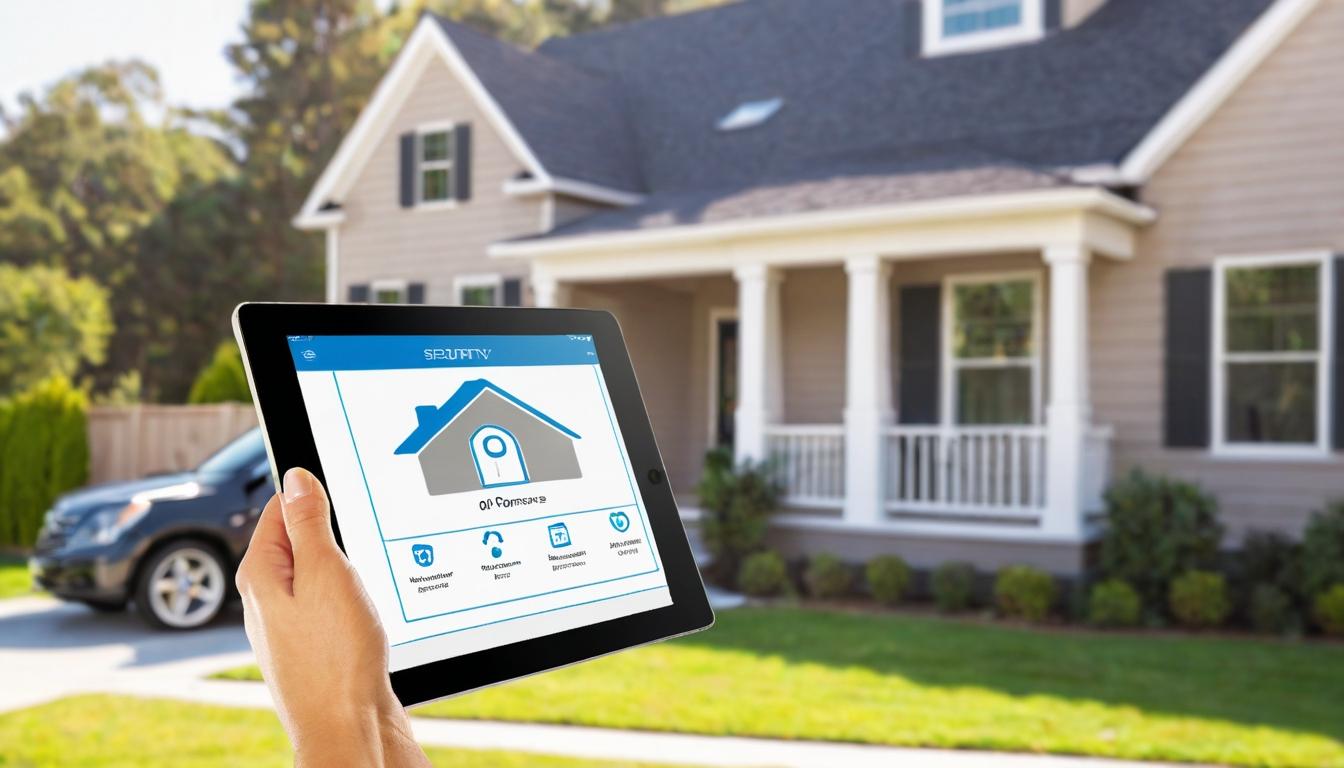
In the dead of night, when most homes are wrapped in darkness and silence, a quiet revolution is unfolding. It doesn't involve patrol cars or neighborhood watch signs, but rather the subtle glow of motion-activated lights and the silent vigilance of cameras no larger than a golf ball. Across America, homeowners are discovering that true security isn't about dramatic confrontations, but about creating invisible layers of protection that work while we sleep, work, and live our lives.
What's fascinating about today's home security landscape is how it's moved from reactive to predictive. Remember when security meant waiting for a break-in to happen, then calling the police? Those days are fading faster than a burglar's confidence when faced with a smart doorbell camera. Modern systems don't just record crimes—they prevent them through psychological deterrence and real-time intervention. The data tells a compelling story: homes with visible security systems are 300% less likely to be targeted, but the real magic happens when those systems are smart enough to distinguish between a wandering raccoon and a prowling human.
Let's talk about the psychology of modern burglary for a moment. Professional thieves—the ones who actually study their targets—report that they avoid homes with obvious security measures. But here's where it gets interesting: they're increasingly avoiding homes with subtle indicators too. The faint blue glow of a router light indicating an active network, the strategic placement of a single visible camera, even the presence of smart lighting that follows unpredictable patterns—these have become the new 'Beware of Dog' signs for the digital age.
One of the most significant shifts has been in how families approach security for different life stages. Young couples just starting out are embracing DIY systems they can install themselves and monitor from their phones. Families with children are layering physical security (better locks, reinforced doors) with digital monitoring that lets them check on sleeping babies and playing kids. Empty nesters are finding that smart security does double duty, providing both protection and peace of mind when they travel.
Perhaps the most overlooked aspect of modern home security is how it's changing community dynamics. When Mrs. Johnson down the street gets an alert about suspicious activity and shares it on the neighborhood app, she's not just protecting her property—she's creating a digital neighborhood watch that never sleeps. These systems are creating what security experts call 'protective clusters,' where multiple homes with interconnected awareness create safety zones that extend beyond property lines.
But let's not romanticize technology without acknowledging its limitations. The most sophisticated system is useless if you don't change default passwords, if you ignore software updates, or if you create 'blind spots' by not covering every entry point. Security isn't about having the most expensive equipment—it's about creating consistent habits. Locking doors, activating systems, and maintaining awareness remain the foundation upon which all technology builds.
What does the future hold? We're already seeing integration with other home systems that would have seemed like science fiction a decade ago. Refrigerators that can alert you if they're opened during vacation, water sensors that detect pipe leaks before they cause damage, even AI that learns your family's routines and flags truly unusual activity. The line between 'home security' and 'home intelligence' is blurring, creating environments that don't just protect against threats, but actually enhance daily living.
At its heart, the evolution of home security reflects a deeper truth about human nature: we want to feel safe in our sanctuaries without turning them into fortresses. The best systems today achieve exactly that—they provide invisible protection that lets families forget about security most of the time, which is ultimately the highest compliment a security system can receive. They work so quietly, so efficiently, that we're free to focus on what really matters: living our lives in the places we love most.
The silent guardians: how smart home security is quietly reshaping neighborhood safety