In the polished marketing brochures and sleek app interfaces, home security has become a story of convenience—arm your system with a tap, watch deliveries through your doorbell camera, receive alerts when your teenager comes home late. But dig beneath the surface of this digital fortress, and you'll find cracks in the foundation that manufacturers don't want to discuss. While companies tout 'foolproof' systems, real-world testing reveals vulnerabilities that leave certain populations dangerously exposed.
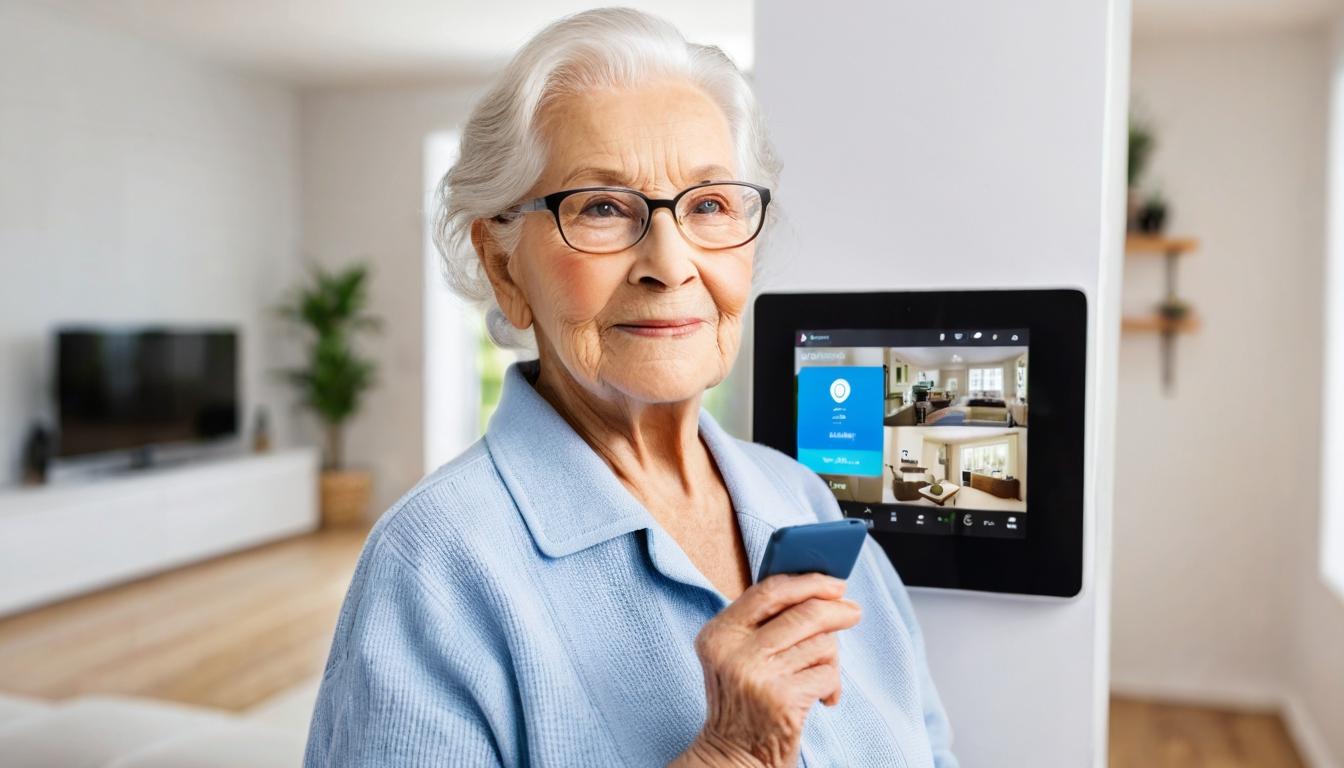
Consider the elderly couple in suburban Ohio who purchased a top-rated smart security system last fall. The motion sensors worked perfectly—when their grandchildren visited. But when an intruder entered through a basement window during a winter storm, the system remained silent. Why? The couple had turned off 'pet-friendly' motion detection after false alarms from their aging cat, inadvertently creating a blind spot that a human could exploit. This isn't an isolated incident—it's a systemic flaw in how we design 'one-size-fits-all' security.
Then there's the rental dilemma. Nearly 40% of Americans rent their homes, yet most premium security systems require permanent installation or landlord approval that's rarely granted. The result? A two-tier security landscape where homeowners get comprehensive protection while renters make do with inadequate DIY solutions. I spoke with a single mother in Atlanta who resorted to propping a wooden chair against her apartment door each night—her building's management prohibited any modifications to doors or windows, leaving her without even basic deadbolt protection.
Financial barriers create another invisible fault line. The average 'complete' smart home security package costs between $600-$1,500 for equipment plus monthly monitoring fees. For families living paycheck to paycheck—who statistically face higher crime rates—this represents an impossible luxury. They're left with outdated hardware or nothing at all, creating what security experts call 'predictable vulnerability patterns' that criminals have learned to identify and exploit.
Even when systems are installed, human behavior undermines their effectiveness. We've all done it—disabling the alarm because we're taking out the trash, forgetting to re-arm it before bed, or ignoring notifications because of 'alert fatigue.' One study found that homeowners intentionally bypass security features 30% of the time, usually for convenience. The most sophisticated encryption means nothing when someone props open a door for fresh air.
Perhaps most troubling are the privacy trade-offs we've accepted without fully understanding the consequences. That doorbell camera providing peace of mind? It's also capturing your neighbor's children playing in their yard, the mail carrier's daily routine, and intimate moments when you step outside for a private phone call. These data streams flow to corporate servers where they're analyzed, stored, and sometimes shared with law enforcement without warrants. We've traded traditional locks for digital panopticons, often without reading the 40-page terms of service.
The solution isn't abandoning technology but demanding better, more inclusive design. Security systems should adapt to different living situations—apartment-friendly sensors that don't damage walls, sliding-scale pricing for low-income households, intuitive interfaces for non-technical users. We need regulations that protect privacy without crippling security, and consumer education that goes beyond installation manuals to teach actual risk assessment.
True security isn't about having the most gadgets; it's about understanding your specific vulnerabilities and addressing them intelligently. Sometimes that means high-tech solutions, sometimes it means better lighting and neighborly cooperation, and always it means recognizing that security systems are tools—not magic shields. The industry's next breakthrough shouldn't be another camera with higher resolution, but systems that actually work for everyone, not just the tech-savvy homeowner in a single-family house with perfect Wi-Fi coverage.
As I walked through a neighborhood recently, I noticed something telling: the homes with visible security signs often had unlocked side gates, while 'unprotected' homes showed subtle signs of vigilance—well-trimmed shrubs under windows, motion-activated flood lights in backyards, community watch stickers. The most effective security has always been a combination of technology, behavior, and community. Perhaps instead of chasing the next shiny gadget, we should return to that fundamental truth.
The silent alarms: how smart home security is failing the most vulnerable