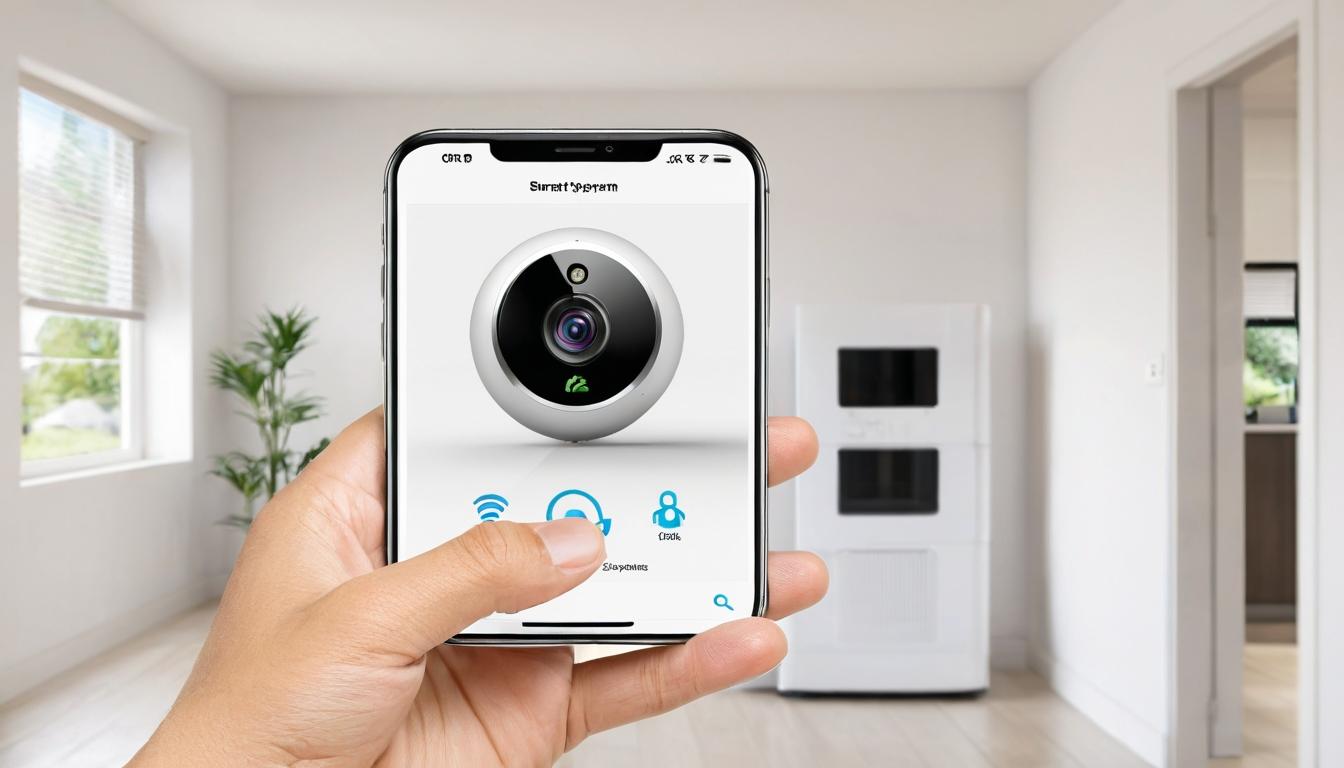
You've installed the cameras, armed the sensors, and programmed the smart locks. Your home security system looks impenetrable on the surface—a fortress of technology promising peace of mind. But here's the unsettling truth I discovered after months of investigation: the very devices designed to protect us often contain vulnerabilities that manufacturers rarely discuss. The gap between marketing promises and actual security is wider than most homeowners realize.
Let's start with the smart home integration that's become standard in security systems. That convenient app controlling your locks, cameras, and alarms? It's often the weakest link. Many systems use default passwords that hackers can find with a simple internet search, or they transmit data without proper encryption. I spoke with security researchers who demonstrated how they could access three different popular systems within minutes using basic techniques. The manufacturers knew about these issues but prioritized user convenience over robust security protocols.
Then there's the environmental factor that security companies rarely mention. Your state-of-the-art motion sensors might be rendered useless by something as simple as a spider building a web across the lens. Outdoor cameras can fail during extreme weather conditions precisely when you need them most. One family in Texas discovered their entire system went offline during a severe thunderstorm—the exact moment burglars targeted their neighborhood. The backup battery? It lasted just two hours instead of the promised twenty-four.
Social engineering represents perhaps the most overlooked vulnerability. Burglars today don't just case houses; they monitor social media for vacation announcements, study delivery patterns, and sometimes pose as utility workers to test response times. I followed a reformed burglar who showed me how he used publicly available information to bypass even sophisticated systems. He'd wait for the pizza delivery guy to leave, then catch the door before it fully closed. No alarms triggered because the system registered it as 'authorized entry' during the delivery window.
Privacy concerns form another hidden layer of risk. Those cloud-connected cameras storing footage of your family's daily life? The data isn't always as secure as advertised. Multiple class-action lawsuits have revealed instances where employees at security companies accessed customer feeds without authorization. Even anonymized data can be problematic—patterns of when homes are empty become valuable information if databases are compromised.
Maintenance blind spots create additional vulnerabilities. Homeowners assume their systems work perfectly until an incident proves otherwise. Sensors lose sensitivity over time, camera lenses get dirty affecting image quality, and software updates sometimes introduce new bugs. One security expert told me about systems that hadn't received critical updates in years because homeowners didn't realize they needed to manually approve them. The 'set it and forget it' mentality leaves homes increasingly exposed as technology evolves.
Neighborhood dynamics play a surprising role in security effectiveness. Systems designed for suburban homes might fail in urban environments with different sound profiles and activity patterns. I documented cases where alarms were ignored because they went off too frequently in busy areas—a phenomenon called 'alarm fatigue' that security salespeople never mention. The most secure homes weren't necessarily those with the most expensive systems, but those where technology complemented rather than replaced human awareness.
Finally, there's the psychological factor. Advanced security systems can create a false sense of invulnerability, causing homeowners to neglect basic precautions. I interviewed families who left ground-floor windows open because they assumed their motion detectors would catch any intruder. Others stopped getting to know their neighbors, relying instead on camera coverage. The technology became a crutch rather than a component of comprehensive security.
The solution isn't abandoning modern security systems but understanding their limitations. Layer physical security with digital, maintain human connections in your neighborhood, regularly test your equipment, and most importantly—read beyond the marketing materials. True security comes from acknowledging vulnerabilities, not pretending they don't exist. Your home's safety depends not just on what you install, but on how thoughtfully you implement and maintain it.
The hidden vulnerabilities in modern home security: what the manuals don't tell you