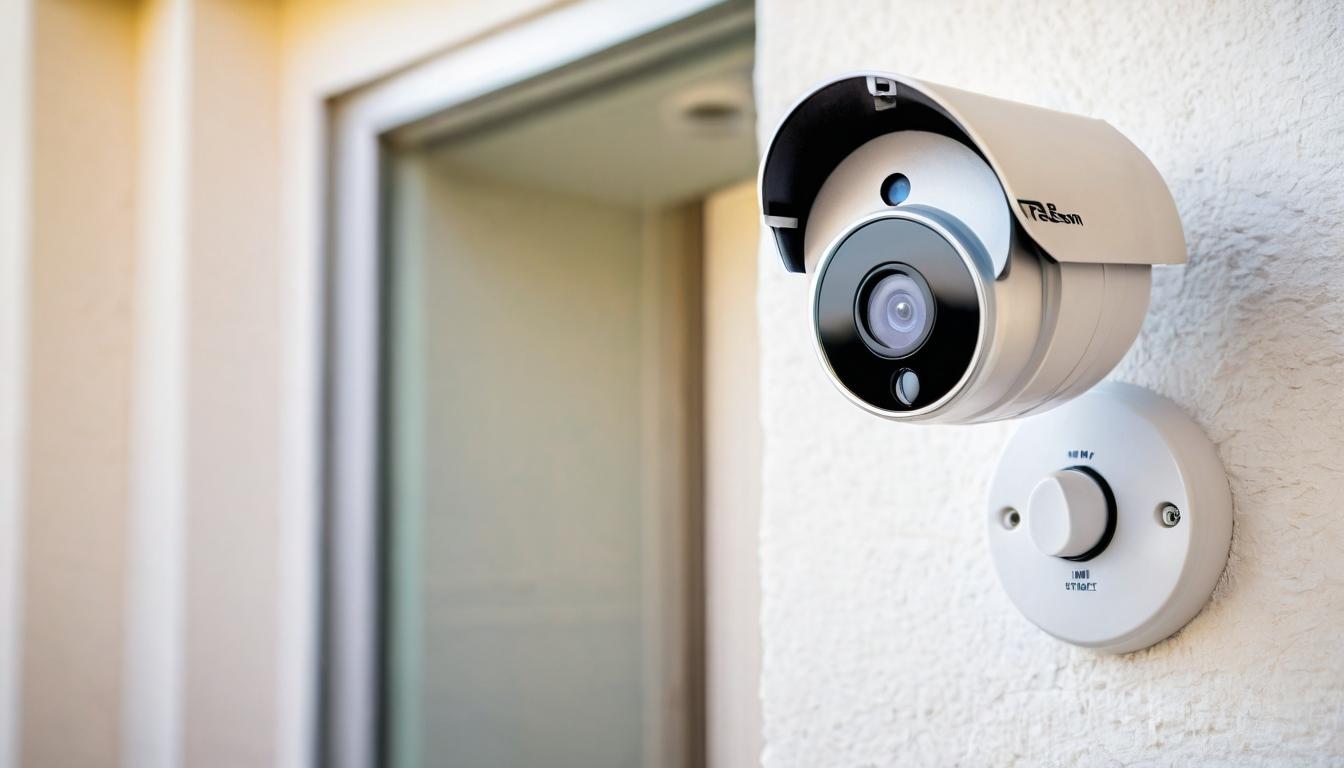
In the quiet suburbs where white picket fences once symbolized safety, a new reality is settling in. Home security has become a multi-billion dollar industry, with sleek cameras and smart locks promising peace of mind. But behind the polished marketing campaigns and glowing app reviews, there are cracks in the armor—vulnerabilities that manufacturers rarely discuss and installers often overlook. This isn't about fearmongering; it's about the uncomfortable truths that emerge when you follow the digital trail of our supposedly secure homes.
Let's start with the devices themselves. That smart doorbell camera you installed last month? It might be broadcasting more than just porch pirates. Security researchers have discovered that many popular home security devices have backdoors you never agreed to—digital pathways that can be exploited by anyone with the right knowledge. These aren't theoretical vulnerabilities either. In 2023 alone, over 150,000 smart home devices were compromised not through sophisticated hacking, but through default passwords that owners never changed. The irony is palpable: we install technology to feel safer, only to create new entry points for those we're trying to keep out.
Then there's the data question. Every motion sensor, every camera recording, every door lock log creates a digital footprint of your life. This information doesn't just live on your phone—it travels through servers, gets analyzed by algorithms, and becomes part of profiles you never consented to create. One major security company was recently found selling 'anonymized' data to advertisers, creating detailed behavioral maps of when families eat dinner, when children come home from school, and when houses sit empty during vacations. The very systems designed to protect privacy are quietly eroding it.
Physical security hasn't kept pace with digital threats either. The traditional weaknesses—unlocked windows, flimsy door frames, dark yards—now combine with digital vulnerabilities in dangerous ways. Burglars aren't just checking for unlocked doors anymore; they're scanning for Wi-Fi networks with default router names that indicate specific security systems, or looking for the telltale blink of outdated cameras that can be jammed with inexpensive devices. The most sophisticated home invasions today begin with a smartphone, not a crowbar.
Family dynamics add another layer of complexity. Security systems designed for nuclear families fail single parents working night shifts. Elderly-friendly systems lack integration with medical alert devices. Rental properties create temporary security relationships where nobody feels fully responsible. The one-size-fits-all approach to home security leaves entire demographics vulnerable, not because they're careless, but because the industry hasn't considered their actual lives.
Even the response systems have hidden flaws. Many monitoring centers rely on outdated infrastructure, with call routing that can delay police response by critical minutes. False alarm rates have skyrocketed to the point where some departments deprioritize security system alerts. And the much-touted 'instant mobile notifications'? They're useless if you're in a dead zone, if your phone battery dies, or if—as happens more often than you'd think—the app simply fails to push the alert.
Environmental factors play a surprising role too. Extreme weather can disable outdoor cameras faster than any hacker. Power outages render most systems useless within hours. Even landscaping choices—those beautiful tall bushes under windows, the decorative rocks that could become projectiles—create security risks that no smart system can mitigate. True security requires thinking beyond technology to the physical world it inhabits.
The psychological aspect might be the most overlooked vulnerability of all. Security systems create what experts call 'the false positive of safety'—a sense of protection that leads to complacency. People with elaborate systems often neglect basic precautions like proper lighting or neighborly watch programs. The technology becomes a crutch rather than a component of comprehensive safety. This isn't to say security systems are worthless, but rather that they work best as part of a layered approach that includes human awareness and community connections.
So where does this leave the concerned homeowner? The solution isn't abandoning technology, but approaching it with clear-eyed skepticism. Demand transparency about data practices. Change default passwords immediately. Integrate smart devices with physical security upgrades like reinforced strike plates and window films. Test your system regularly, not just when it's installed. And perhaps most importantly, maintain the human elements of security—knowing your neighbors, varying routines, trusting your instincts when something feels off.
The home security industry will continue evolving, with AI-powered analytics and biometric access becoming increasingly common. But the fundamental truth remains: true security isn't a product you buy, but a practice you maintain. It lives in the intersection of technology, physical space, human behavior, and community—a delicate balance that no single device can guarantee. The vulnerabilities will always be there, hiding in plain sight, waiting for us to acknowledge them before someone else does.
The hidden vulnerabilities in modern home security: what the industry isn't telling you