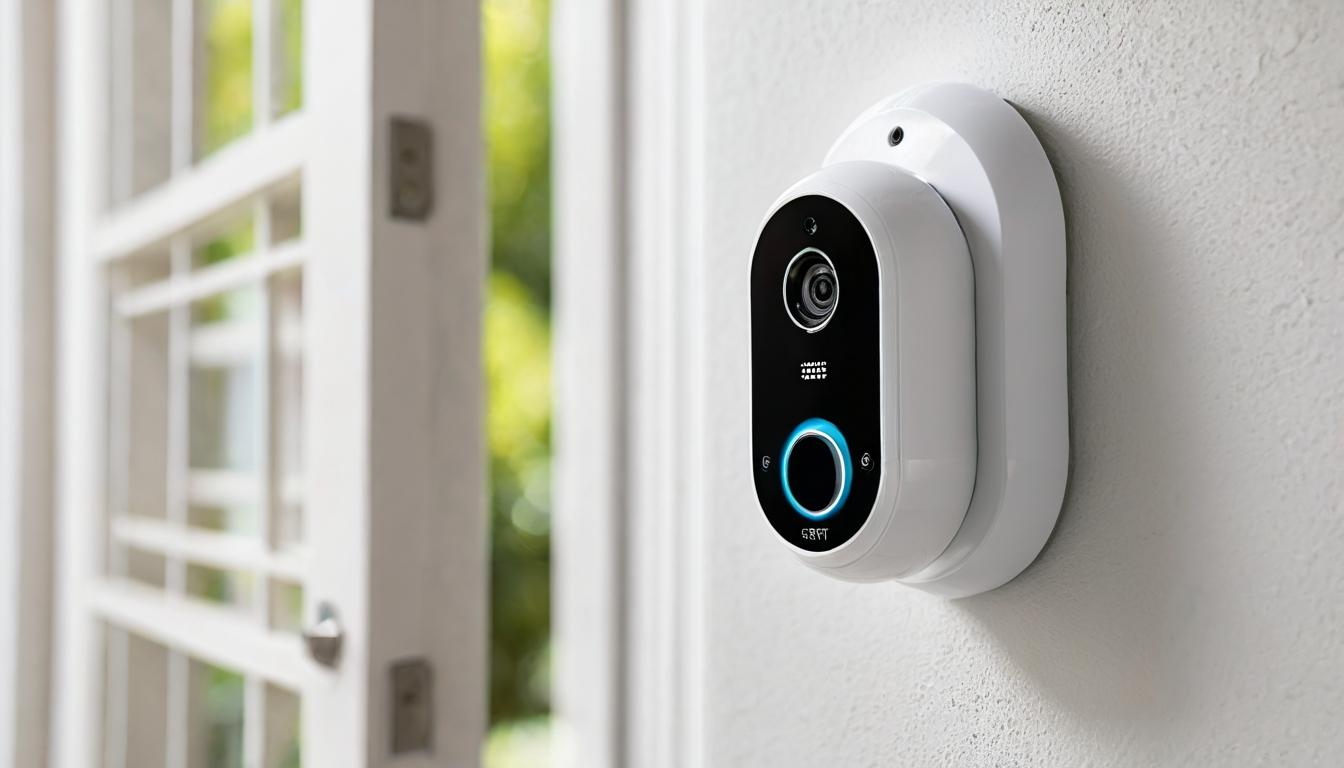
The familiar red light of a security system has become a modern talisman—a digital guardian we trust to stand watch while we sleep. Yet as I dug into the latest research and spoke with experts across the security landscape, a troubling pattern emerged. Our faith in these blinking devices might be blinding us to the real threats creeping through our digital backdoors and psychological blind spots.
Most homeowners focus on the obvious: door sensors, window alarms, and motion detectors. But the security nerds and forensic analysts I consulted kept pointing to a different battlefield—the smart home ecosystem. That voice-activated assistant you chat with about recipes? It's listening. The Wi-Fi-enabled baby monitor that lets you check in from work? It's a potential entry point. The garage door opener connected to your phone? It's a digital welcome mat for anyone with the right tools. These interconnected devices create what one expert called 'a chain of vulnerabilities'—each link potentially weaker than the last.
Physical security still matters, of course. The secured dads and safety moms I interviewed emphasized basic hardening: reinforced strike plates, security film on windows, and proper lighting. But they also shared stories of breaches that had nothing to do with forced entry. One family lost thousands when a hacker accessed their smart thermostat to determine when they were away. Another had their security camera feed intercepted and used to monitor their daily routines. The old model of security—keeping bad people out—has evolved into something more complex: keeping our digital lives intact while maintaining physical safety.
Perhaps the most surprising vulnerability isn't technological at all. Family security experts note that our routines are our greatest weakness. We post vacation photos in real-time, announcing our empty homes to the world. We leave packages on the porch for days, signaling inattentiveness. We follow predictable patterns that observant eyes can track. One security consultant demonstrated how he could determine a family's schedule within three days just by watching their house from a public space. 'People invest in expensive systems,' he told me, 'then leave their lives on display like an open book.'
Insurance data reveals another gap in our security thinking. Most break-ins don't happen under cover of darkness—they occur during daylight hours when homes are empty. The professional burglars I studied (through court records and security reports) prefer the anonymity of daytime, when neighbors are at work and street activity provides cover. They're not looking for confrontation; they're looking for opportunity. An unlocked side gate, a ladder left in the yard, a window cracked for fresh air—these become invitations.
The psychological aspect of security might be the most overlooked. Safety researchers note that once people install a security system, they often develop a false sense of invulnerability. They might become less diligent about locking doors or checking windows. This 'security theater' effect—where the appearance of safety matters more than actual safety—creates new vulnerabilities even as it addresses old ones. The most secure homes, according to multiple experts, belong to people who maintain healthy paranoia alongside their technology.
Community remains one of the most powerful security tools, yet it's fading in our digital age. Neighborhood watch programs have declined by nearly 40% in the past decade, according to community safety organizations. The simple act of knowing your neighbors—and having them know your patterns well enough to spot anomalies—provides a layer of protection no technology can match. One retired police officer turned security blogger put it bluntly: 'Your best alarm system has two legs and a voice. It's the neighbor who calls when something seems off.'
Looking forward, the security landscape is shifting toward integration. The most effective approaches combine physical barriers, digital hygiene, behavioral awareness, and community engagement. It's not about choosing between a smart camera and a deadbolt—it's about understanding how they work together. It's about recognizing that the teenager down the street who knows your schedule might be a bigger security asset than your monthly monitoring subscription.
The red light still matters. But as our homes grow smarter and our lives more connected, we need to expand our vision of what security means. It's not just about keeping threats out—it's about understanding what we're letting in, what we're putting online, and what patterns we're establishing. True security lives in the gaps between devices, in the spaces between routines, in the awareness that develops when we look beyond the blinking lights and consider what they might be missing.
Beyond the alarm: the hidden vulnerabilities in modern home security