You wake up, step into the morning light, and suddenly—achoo! That sudden sneeze when sunlight hits your eyes isn't just a quirk of your particular biology. It's called the photic sneeze reflex, and it affects about 18-35% of the population. Scientists believe it might be caused by crossed wires in the brain, where the optic nerve's stimulation accidentally triggers the sneeze reflex. What makes this particularly fascinating is that it appears to be genetic—if one of your parents has it, you have a 50% chance of inheriting this sunny disposition toward sneezing.
While we're on the subject of bodily quirks, let's talk about that little indentation in the center of your abdomen. Your belly button, or navel, is actually your very first scar. It marks where the umbilical cord connected you to your mother's placenta, delivering oxygen and nutrients while you developed. After birth, the cord is cut, and what remains dries up and falls off, leaving behind the navel. What's truly remarkable is that no two belly buttons are exactly alike—their shape depends on how the skin heals and folds as the stump dries, making each one as unique as a fingerprint.
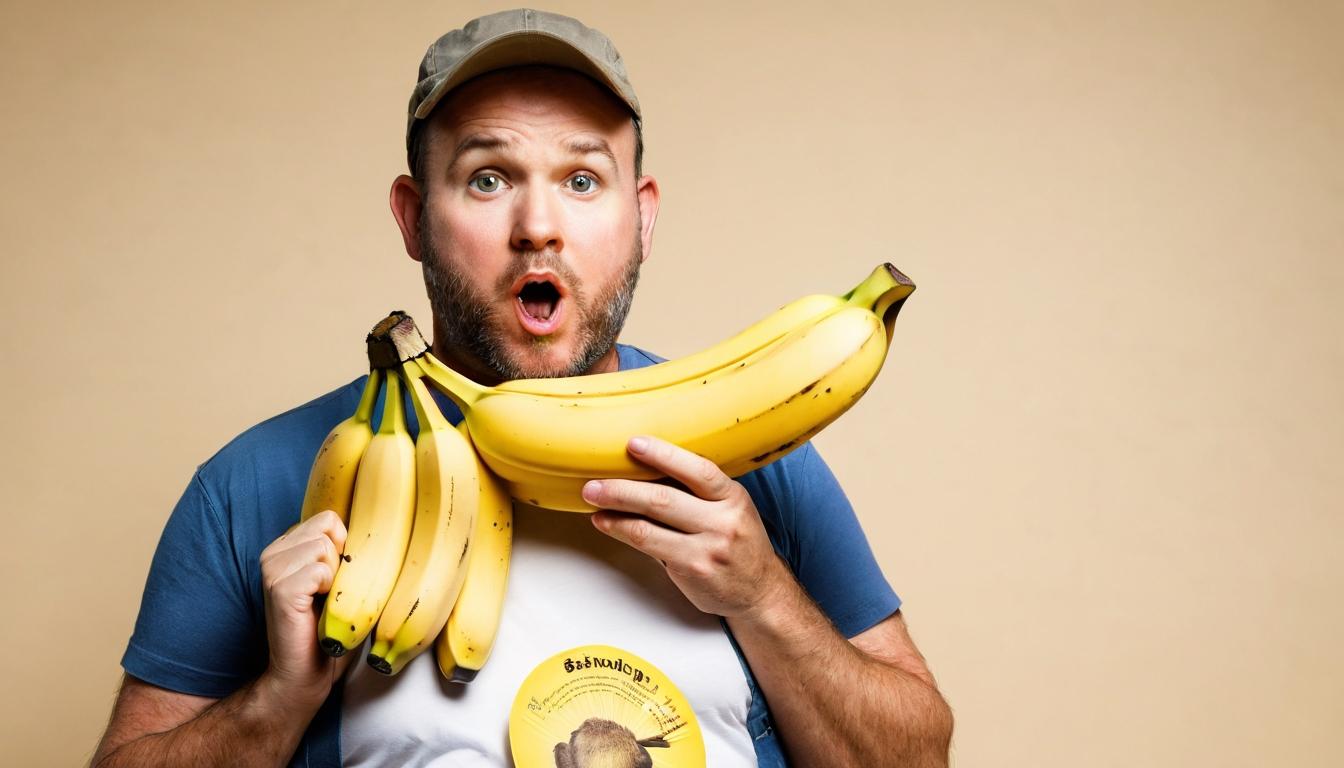
Speaking of uniqueness, consider the lowly banana. That curved yellow fruit you slice onto your cereal has a secret: it's technically a berry. Botanically speaking, berries develop from a single ovary and contain seeds surrounded by flesh. Bananas fit this definition perfectly, while strawberries—despite their name—don't qualify. The banana plant itself is also extraordinary—it's not a tree but the world's largest herb. What appears to be a trunk is actually tightly packed leaf bases, making it a giant, fruit-bearing member of the same family as lilies and orchids.
Now let's travel from the produce aisle to the animal kingdom, where deception takes fascinating forms. The mimic octopus deserves special attention for its unparalleled acting skills. Found in the waters of Southeast Asia, this cephalopod doesn't just change color like its relatives—it impersonates other sea creatures with astonishing accuracy. By contorting its body and adjusting its skin texture and coloration, it can mimic at least fifteen different species, including lionfish, sea snakes, and flatfish. Researchers believe this remarkable ability evolved as a defense mechanism, allowing the octopus to scare off predators by pretending to be more dangerous animals.
Back on land, consider the humble squirrel. These bushy-tailed acrobats have a surprising connection to history—they helped shape the modern stock market. In the early 1700s, a speculative frenzy in England centered around the South Sea Company led to what historians call the South Sea Bubble. As the bubble grew, numerous fraudulent companies sprang up, including one that promised investors returns from 'a company for carrying on an undertaking of great advantage, but nobody to know what it is.' Another actually claimed to be developing a technology for 'repairing and altering squirrel tails.' While that particular venture never materialized, the episode illustrates how animal-related speculation has influenced economic history.
From biology to economics, our world is filled with connections that aren't immediately obvious. The next time you step into sunlight and feel a sneeze coming on, or glance at a banana in your kitchen, remember that even the most ordinary phenomena often have extraordinary stories behind them. These aren't just random facts—they're windows into the intricate, interconnected systems that make our world both predictable and wonderfully strange.
The hidden world of everyday oddities: from sneezing in sunlight to why we have belly buttons