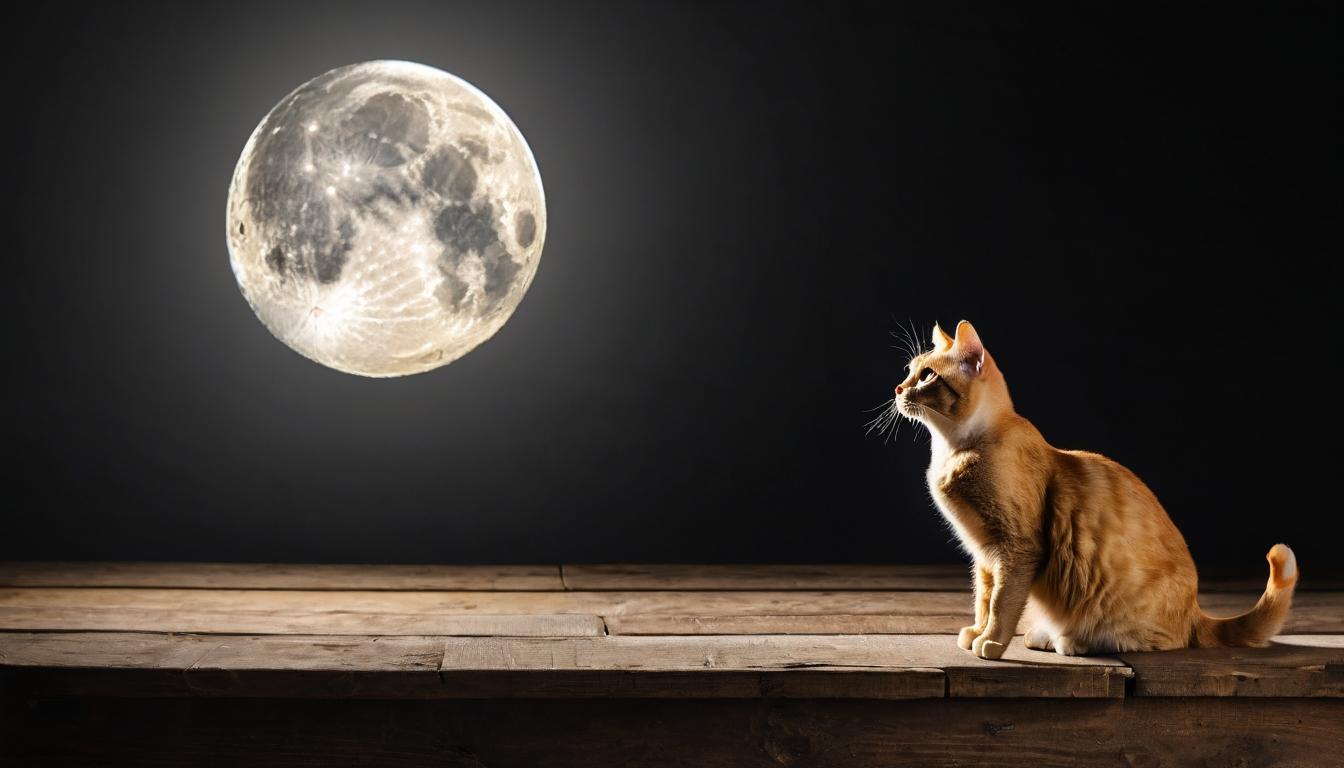
You've probably never considered what the moon smells like. According to Apollo astronauts who actually got to sniff their space suits after moonwalks, it carries the distinct aroma of spent gunpowder—a metallic, acrid scent that clings to everything. This bizarre fact sits among countless others that transform ordinary subjects into extraordinary stories. The world is filled with these hidden narratives, waiting just beneath the surface of what we think we know.
Take coffee, for instance. That morning ritual fueling millions isn't just a beverage—it's a historical anomaly with a goat as its unlikely discoverer. Legend traces coffee's origins to 9th-century Ethiopia, where a goat herder named Kaldi noticed his flock becoming unusually energetic after nibbling red berries from a certain bush. Monks later boiled the beans into a drink to stay awake during prayers, creating the world's first all-natural stimulant. From those humble beginnings, coffee sparked revolutions, inspired intellectual salons, and became the second most traded commodity on Earth after crude oil.
Speaking of animals with unexpected impacts, consider the humble cat's tongue. It's not just rough; it's a biological marvel covered in hundreds of tiny, backward-facing spines called papillae. These microscopic hooks act like a natural comb, detangling fur and scraping meat from bones with surgical precision. This adaptation explains why cats spend so much time grooming—they're essentially giving themselves a deep-clean massage with built-in tools evolution spent millions of years perfecting.
History hides similar peculiarities in plain sight. The shortest war ever recorded lasted just 38 minutes. It occurred in 1896 between Britain and Zanzibar, sparked by a succession dispute after the pro-British Sultan died. When his cousin seized power without British approval, warships in the harbor opened fire, reducing the palace to rubble and forcing surrender before most residents even realized conflict had begun. Sometimes, the most dramatic events unfold in less time than it takes to watch a sitcom episode.
Even our own bodies harbor strange truths. Human saliva contains a painkiller called opiorphin that's six times more powerful than morphine. Researchers discovered this natural compound while studying people with rare conditions who felt little pain, leading to potential breakthroughs in pain management. Your mouth produces this substance constantly, a built-in pharmacy operating silently with every swallow.
Nature offers equally mind-bending realities. Honey never spoils. Archaeologists have found pots of perfectly edible honey in ancient Egyptian tombs over 3,000 years old. Its magical preservation comes from a perfect storm of low moisture content, high acidity, and small amounts of hydrogen peroxide produced by bees. This makes honey the only food that essentially lasts forever, a sweet testament to nature's ingenuity.
Language itself contains buried oddities. The sentence 'The quick brown fox jumps over the lazy dog' isn't just a phrase—it's a pangram containing every letter in the English alphabet. Typesetters and font designers have used it for centuries to display complete character sets, while spies during World War II employed similar sentences to test encryption equipment. Sometimes, the most ordinary-seeming words hide extraordinary utility.
Color perception reveals another layer of reality's strangeness. There's a shade of pink so powerful it can calm aggressive behavior. Known as Baker-Miller Pink or 'drunk tank pink,' correctional facilities and psychiatric hospitals have used it on walls to temporarily reduce hostility in inmates. The effect lasts about 30 minutes, proving that our environment's colors can directly influence brain chemistry in measurable ways.
Even something as simple as walking contains hidden physics. When you stroll, you're never actually in full contact with the ground—you're constantly falling forward and catching yourself. Walking is essentially controlled falling, a series of near-misses with gravity that our brains have automated so completely we forget we're performing minor miracles of balance with every step.
These facts aren't just trivia; they're windows into how much remains mysterious about our world. From the cosmic scent of lunar dust to the eternal sweetness of honey, reality constantly reminds us that truth is often stranger than anything we could invent. The most fascinating stories aren't always found in headlines—sometimes, they're hiding in your coffee cup, on your cat's tongue, or in the very words you're reading right now.
The hidden world of everyday oddities: from coffee's secret history to the moon's forgotten smell