Most of us walk through our days surrounded by objects we barely notice—the chair we sit on, the pen we write with, the light bulb overhead. Yet each of these mundane items carries a secret history, a trail of human ingenuity, accident, and sometimes pure absurdity that transformed them from curiosities into necessities. The stories behind these everyday things reveal not just how they work, but why they exist at all, and the often bizarre paths that led them into our hands.
Take the humble paperclip, for instance. That simple loop of wire seems like the epitome of straightforward design, but its journey to ubiquity was anything but. The first patent for a bent-wire paper fastener was filed in 1867 by Samuel B. Fay, who intended it primarily for attaching tickets to fabric. It wasn't until the 1890s that the Gem Manufacturing Company in Britain produced something resembling the modern paperclip, and even then, it competed with dozens of other designs—some with multiple loops, others with elaborate clasps. The reason our familiar oval-within-an-oval won out? It was cheap to make, didn't tear paper, and could be easily removed. But during World War II, it took on a powerful symbolic meaning: in Nazi-occupied Norway, wearing a paperclip on one's lapel became a silent act of resistance, representing unity and binding together against oppression. Today, billions are produced annually, most used once and discarded—a quiet testament to a design so perfect it became invisible.
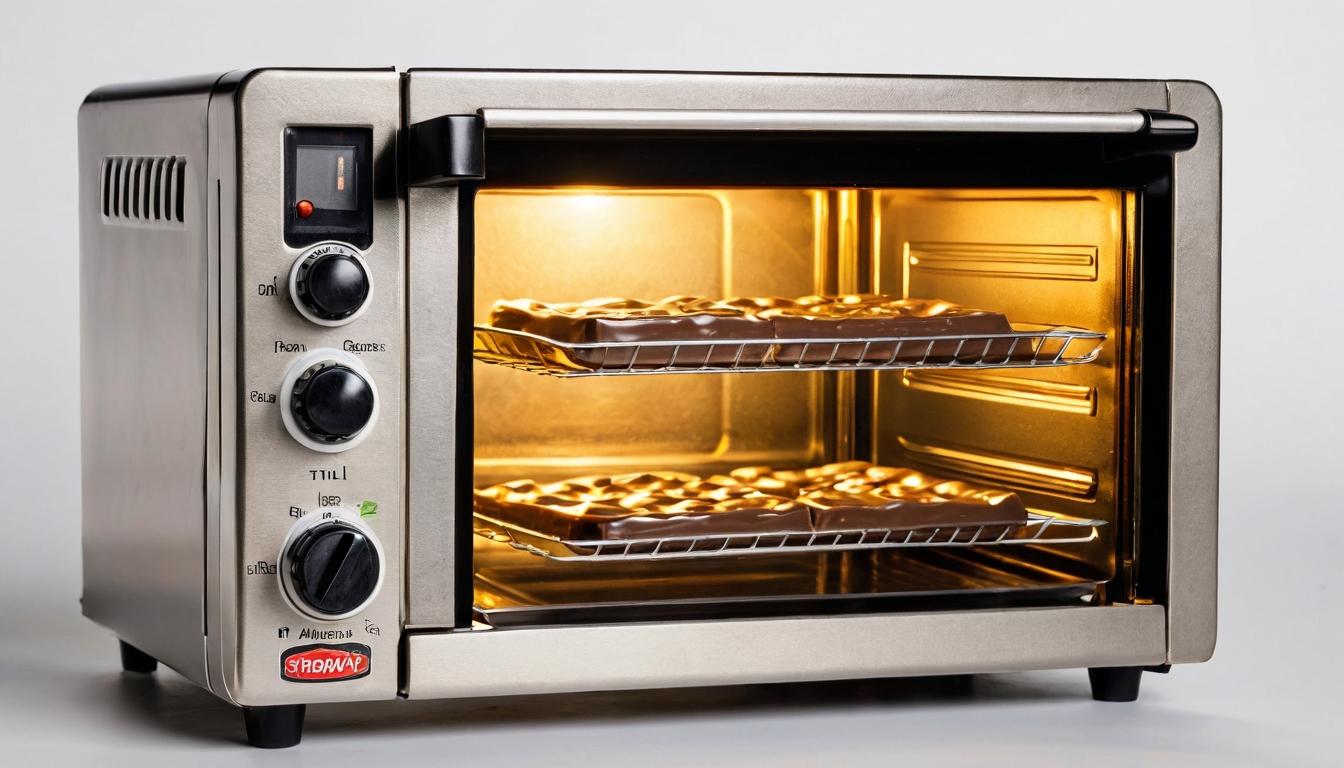
Then there's the microwave oven, a kitchen staple born from a melted candy bar. In 1945, engineer Percy Spencer was testing a magnetron, a vacuum tube that generates microwaves, when he noticed the peanut cluster bar in his pocket had turned into a gooey mess. Intrigued, he tried popping popcorn kernels and watching them explode, then aimed the rays at an egg until it burst. The first commercial microwave, the Radarange, hit the market in 1947—weighing over 750 pounds, standing nearly six feet tall, and costing the equivalent of $50,000 today. It was initially sold only to restaurants and ships. The idea that everyday people would want to zap their food in minutes seemed far-fetched; early ads emphasized its use for reheating coffee, not cooking full meals. It took decades of shrinking size and price, plus the rise of TV dinners, to make it a household essential. Now, over 90% of American homes have one, often used more for defrosting or heating leftovers than actual cooking—a far cry from Spencer's explosive experiments.
Consider the sticky note, that fluorescent slip of paper that clings to documents and monitors worldwide. Its invention was a classic case of failure turned fortune. In 1968, 3M scientist Spencer Silver was trying to develop a super-strong adhesive, but instead created a weak, reusable glue that stuck lightly to surfaces without leaving residue. For years, it languished as a solution without a problem. Then, in 1974, colleague Art Fry grew frustrated with bookmarks falling out of his hymnal during choir practice and remembered Silver's glue. He coated paper strips with it, and the Post-it Note was born—though 3M's initial market tests were dismal. The breakthrough came when they flooded offices in Boise, Idaho, with free samples; once people tried them, demand skyrocketed. Today, they come in over 100 shapes and colors, and their design is studied by engineers for its perfect balance of tackiness and release. Not bad for a "failed" adhesive.
Even something as basic as the toothbrush has a wild backstory. The earliest versions, from around 3000 BCE, were twigs with frayed ends used by ancient Babylonians and Egyptians. The first bristle toothbrush, with hog hairs attached to a bone or bamboo handle, appeared in China during the Tang Dynasty. It reached Europe in the 17th century, where the wealthy used brushes with horsehair or even feathers. The modern nylon-bristle toothbrush emerged in 1938, thanks to DuPont's invention of the synthetic fiber. But the real revolution was electric: the first one, developed in Switzerland in 1954, was initially marketed as a luxury item for people with limited mobility. Dentists resisted it, fearing it would erode enamel or cause gum damage. Only after decades of refinement and studies showing its effectiveness did it become mainstream. Now, smart toothbrushes with Bluetooth connectivity track brushing habits, a far cry from those ancient twigs.
These objects remind us that innovation is rarely a straight line. It's a messy process of accidents, persistence, and sometimes sheer luck, shaped by cultural shifts and human needs we didn't know we had. They become so embedded in our lives that we forget they were ever novel—until we peel back the layers to find the melted candy, the fallen bookmark, or the symbolic resistance hidden in plain sight. Next time you scribble on a sticky note or heat up leftovers, remember: you're touching a story.
The hidden lives of everyday objects: surprising stories behind what we take for granted