Have you ever paused to consider why we call it a "dashboard" when referring to the front panel of a car? The term dates back to horse-drawn carriages, where a literal board was mounted to protect the driver from mud and debris "dashed up" by the horses' hooves. When automobiles replaced carriages, the name stuck, preserving a linguistic fossil from a bygone era. This is just one example of how everyday language carries hidden histories, waiting to be uncovered by the curious mind.
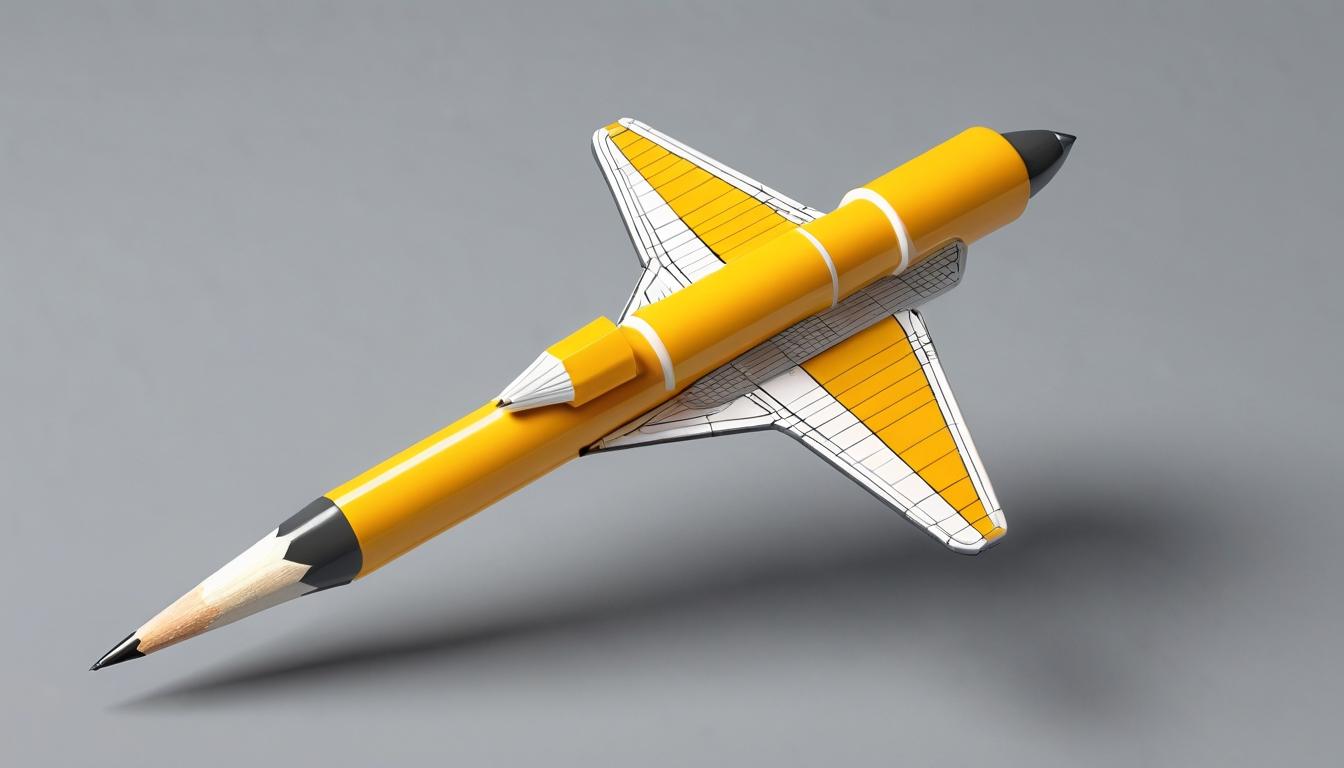
Consider the humble pencil. That yellow exterior isn't just for aesthetics—it's a legacy of the 1890s, when the world's best graphite came from China. American pencil manufacturers, wanting to associate their products with this quality, painted them yellow, a color associated with Chinese royalty. Today, over 75% of pencils sold in the U.S. are still yellow, a century-old marketing decision fossilized into tradition.
Then there's the surprising origin of the "sandwich." While John Montagu, the 4th Earl of Sandwich, gets the credit, he wasn't the first to put meat between bread. Historical accounts suggest he popularized it during marathon gambling sessions at London's Beefsteak Club, where he could eat without leaving the card table or greasing the cards. The name caught on, transforming a nobleman's convenience into a global culinary staple.
Our daily routines are filled with such artifacts. The "save" icon in computer programs—a floppy disk—is now a mystery to younger generations who've never seen the actual device. It persists as a digital hieroglyph, a symbol whose original referent has vanished but whose function remains essential. Similarly, the "@" symbol, once a obscure accounting abbreviation meaning "at the rate of," was resurrected by Ray Tomlinson in 1971 to separate usernames from computer names in the first email, ensuring its place in digital immortality.
Even our bodies hold forgotten stories. The appendix, long dismissed as a useless evolutionary leftover, now appears to serve as a safe house for beneficial gut bacteria, helping repopulate the digestive system after illness. Goosebumps, which raise our body hair, are a vestige from our hairier ancestors—a physiological response that once made them appear larger to predators but now merely accompanies a chilling movie scene or a moving piece of music.
Some histories are written in the landscape itself. The straight lines of many U.S. state borders in the West aren't arbitrary—they're a consequence of the Public Land Survey System, which divided the frontier into orderly squares for sale and settlement. This geometric imposition created the familiar checkerboard pattern visible from aircraft, a testament to human desire for order imposed upon wilderness.
Food reveals hidden global journeys in every bite. The classic Italian tomato sauce owes its existence to the Columbian Exchange—tomatoes are native to the Americas and didn't reach Europe until the 16th century. Before that, Italian pasta was served with cheese, butter, or sugar. The potato, another American native, transformed European agriculture after its introduction, becoming so vital in Ireland that its failure caused the Great Famine of the 1840s.
Our entertainment carries echoes of older technologies. The standard width of railroad tracks in the U.S. (4 feet, 8.5 inches) dates back to Roman chariot ruts, which determined wagon wheel spacing in medieval England, which influenced early tramways, which set the standard for railways. This measurement eventually dictated the size of space shuttle boosters, which had to be transported by rail—making Roman engineering choices a factor in 20th-century space exploration.
Language constantly reinvents itself while preserving fossils. "Avocado" comes from the Nahuatl word "āhuacatl," which also meant "testicle"—likely referring to the fruit's shape. "Ketchup" traces to the Chinese "kê-tsiap," a fish sauce that British traders encountered and adapted with mushrooms, then later with tomatoes. Each word is a miniature archaeology site, layers of meaning accumulated through centuries of cultural exchange.
These hidden histories remind us that nothing is ever quite as simple as it appears. The ordinary is extraordinary when viewed through the lens of time, each object and expression a thread connecting us to inventors, explorers, and everyday people whose choices shaped our world. By uncovering these stories, we don't just learn facts—we develop a deeper appreciation for the rich, interconnected tapestry of human ingenuity that surrounds us every single day.
The hidden histories behind everyday objects and expressions