The world of film music has always been a fascinating ecosystem, but something extraordinary is happening beneath the surface of today's cinematic soundscapes. While audiences flock to theaters for visual spectacles, a quiet revolution is unfolding in recording studios from Los Angeles to Reykjavík—a transformation that's reshaping how we experience stories through sound.
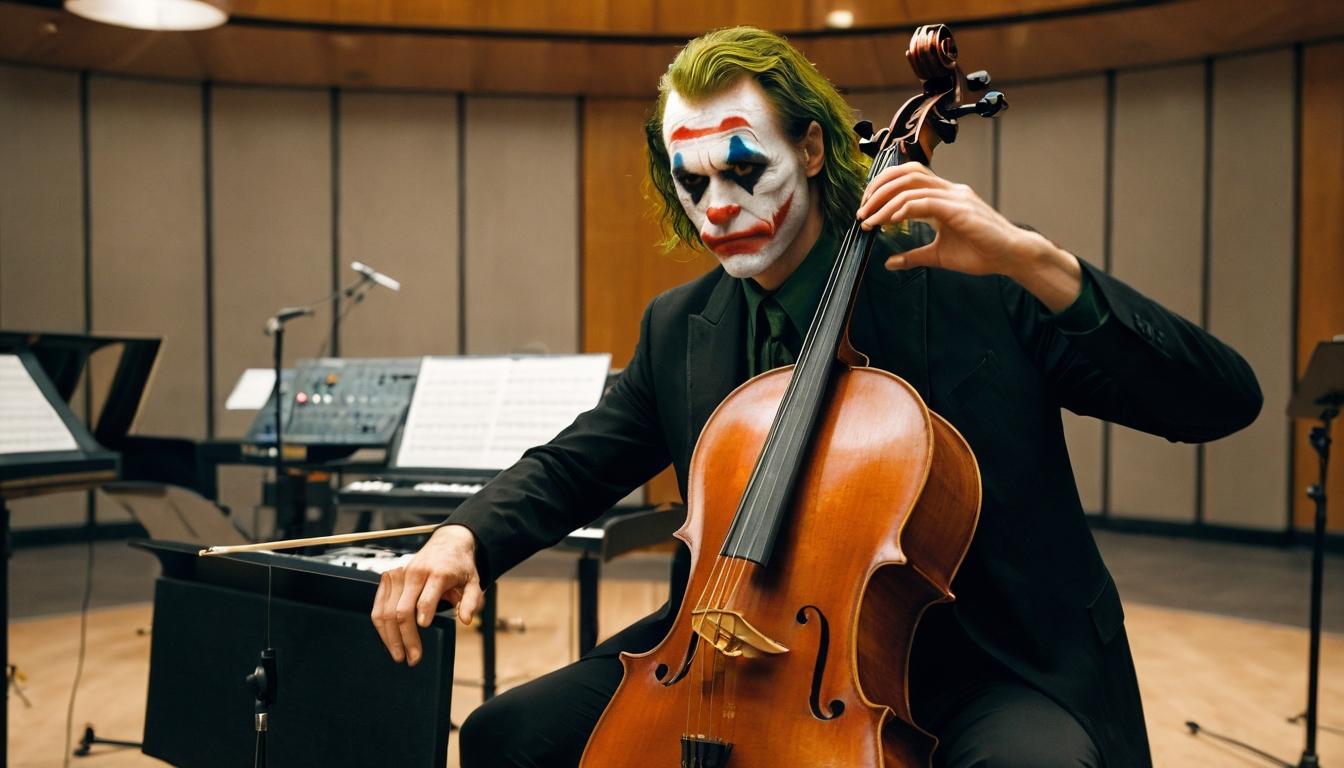
For decades, film scoring followed predictable patterns: lush orchestral arrangements for epics, synth-heavy tracks for sci-fi, and minimalist piano for intimate dramas. But today's composers are tearing up that rulebook, creating hybrid scores that blend traditional instrumentation with cutting-edge technology in ways that would have been unimaginable just ten years ago. Take Hildur Guðnadóttir's groundbreaking work on 'Joker'—a cello-based score that feels simultaneously ancient and futuristic, or Ludwig Göransson's fusion of African percussion and electronic elements in 'Black Panther' that created an entirely new musical language for Wakanda.
What's driving this creative explosion? Partly it's technology—digital audio workstations have democratized composition, allowing artists to experiment without million-dollar studio budgets. But more importantly, it's a philosophical shift. Composers are no longer content to simply underscore emotions; they're becoming narrative architects, building sonic worlds that exist independently of the visuals. Trent Reznor and Atticus Ross have pioneered this approach, creating scores for David Fincher films that function as standalone electronic albums while perfectly complementing the on-screen tension.
This evolution isn't happening in isolation. Streaming platforms have created unprecedented demand for original content, with series like 'Stranger Things' and 'The Crown' receiving scores as complex and carefully crafted as any feature film. Meanwhile, video game scoring has emerged as a legitimate artistic frontier, with composers like Austin Wintory ('Journey') and Gareth Coker ('Ori and the Blind Forest') creating interactive scores that respond to player choices—a concept that's beginning to influence linear media.
Yet for all this innovation, the industry faces significant challenges. The rise of temp tracks—placeholder music used during editing—has created a homogenization problem, with many studio executives pushing for scores that sound familiar rather than distinctive. Budget constraints mean fewer live orchestra sessions, forcing composers to rely on sample libraries that, while increasingly sophisticated, can't fully replicate the warmth of human musicians playing together in a room.
Perhaps most intriguing is the changing relationship between directors and composers. The classic partnerships—like Spielberg and Williams, or Burton and Elfman—were built on years of collaboration and mutual understanding. Today's faster production schedules often mean composers are brought in later in the process, with less time to develop a unique musical voice for each project. Yet some filmmakers are pushing back against this trend, with directors like Denis Villeneuve working closely with composers from the earliest script stages to ensure music is woven into the film's DNA.
Looking ahead, several trends promise to further transform the landscape. Spatial audio technologies like Dolby Atmos are allowing composers to create three-dimensional soundscapes that envelop audiences. AI-assisted composition tools are beginning to emerge, though most composers view them as collaborators rather than replacements. And the growing recognition of film music as concert-worthy material—evidenced by the popularity of live-to-picture performances—suggests audiences are developing deeper appreciation for the art form.
What remains constant is the power of a great score to elevate storytelling. Whether it's Jonny Greenwood's dissonant strings making us feel the psychological unraveling in 'There Will Be Blood,' or Michael Giacchino's poignant themes giving emotional weight to animated characters in 'Up,' film music continues to operate on a subconscious level, guiding our hearts through narratives in ways dialogue and visuals alone cannot achieve.
The next time you watch a film, try this experiment: close your eyes for a minute and just listen. You might discover that what you're hearing isn't just background music—it's a parallel story, told in a language of emotion that transcends words, created by artists who are quietly redefining one of cinema's most essential elements.
The unsung heroes: How modern film composers are reinventing the soundtrack landscape