In the dim glow of a recording studio, a conductor raises their baton. What follows isn't just music—it's the emotional architecture of our favorite films. While audiences flock to theaters for dazzling visuals and compelling performances, there's an invisible force shaping every tear, every gasp, every heartbeat in the dark. Film composers, once relegated to background status, are now emerging as cinematic storytellers in their own right, and their evolving role deserves our attention.
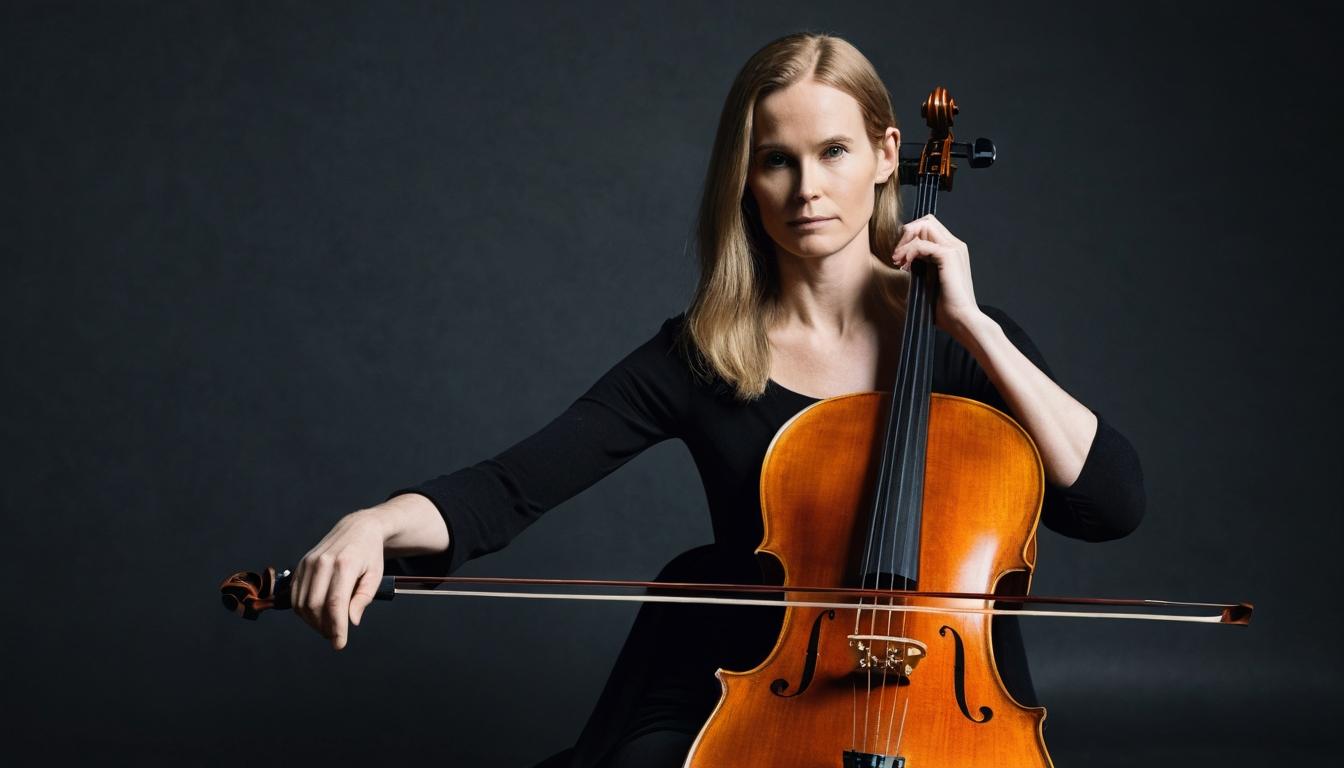
Across the industry, a quiet revolution is underway. Gone are the days when film scores merely provided atmospheric wallpaper. Today's composers like Hildur Guðnadóttir, Ludwig Göransson, and Nicholas Britell aren't just writing music—they're building sonic worlds that breathe life into characters and narratives. When Guðnadóttir won her Oscar for 'Joker,' she didn't just create a score; she crafted an auditory descent into madness using cello techniques that felt almost physically uncomfortable, mirroring Arthur Fleck's unraveling psyche.
This shift toward psychological scoring represents more than artistic preference—it's changing how films get made. Directors now bring composers into projects during pre-production, sometimes even before a single scene is shot. The music becomes a character in the screenplay, influencing editing rhythms and performance choices. Think of Jonny Greenwood's dissonant strings in 'There Will Be Blood,' which didn't just accompany Daniel Plainview's obsession—they became the sound of oil itself, black and viscous beneath the earth.
Technology has democratized the composing process in surprising ways. Where once massive orchestras were the only option, now composers blend analog and digital with breathtaking results. Trent Reznor and Atticus Ross's work on 'The Social Network' used synthetic textures to mirror digital alienation, while their score for 'Soul' incorporated jazz improvisation to capture life's spontaneity. The tools have changed, but the goal remains the same: to make audiences feel what the camera cannot show.
Yet this creative renaissance faces practical challenges. Streaming platforms have compressed production schedules, giving composers weeks instead of months. Budget constraints mean fewer live musicians, pushing composers to innovate with smaller ensembles. The 'temp track' phenomenon—where editors use existing music during cutting—can unintentionally limit originality when directors become attached to placeholder scores. Still, composers navigate these constraints with remarkable ingenuity, often creating signature sounds under pressure.
Perhaps most fascinating is how film music now lives beyond the theater. Streaming services release scores as standalone albums, while platforms like YouTube host 'score breakdowns' that attract millions of views. Listeners dissect leitmotifs like literary symbols, recognizing how a character's theme transforms as their journey unfolds. This audience engagement has created something unprecedented: film music fandom as a cultural force, complete with conventions, podcasts, and academic analysis.
Looking forward, the boundaries continue to blur. Video game composers like Austin Wintory ('Journey') bring interactive scoring techniques to film, while experimental artists like Mica Levi ('Under the Skin') challenge our very definition of what film music can be. The next generation, trained in both classical composition and electronic production, stands ready to redefine the art form once more.
What remains constant is music's unique power to bypass our intellect and speak directly to our emotions. In an age of visual overload, the score reminds us that cinema is ultimately a sensory experience—one that resonates in our bones long after the credits roll. The composers working today aren't just supporting stories; they're helping us hear what it means to be human, one note at a time.
The unsung heroes: How modern film composers are redefining movie magic