If you listen closely to the scores of recent streaming hits and indie darlings, you'll hear something quietly revolutionary happening. It's not just about the music—it's about who's making it, how it's being created, and why it sounds different from the orchestral swells that dominated multiplexes for decades. The film music landscape is undergoing its most significant transformation since synthesizers first infiltrated Hollywood in the 1980s, and the change is coming from unexpected places.
Walk through the virtual corridors of platforms like Netflix, Amazon Prime, and Apple TV+, and you'll notice a curious pattern emerging. The traditional studio system, with its reliance on established composers and large orchestras, is being challenged by a new generation of musicians who blend electronic textures with acoustic instruments in ways that would have been unthinkable just ten years ago. These composers aren't just writing music; they're building sonic worlds from their home studios, often collaborating remotely with filmmakers across continents. The pandemic accelerated this shift, but the seeds were planted years earlier when streaming services began commissioning original content at an unprecedented scale.
What's particularly fascinating is how this democratization of film scoring is affecting the creative process itself. Where once a composer might have presented a director with a few thematic sketches, now they're delivering fully realized demos with intricate sound design elements baked in. Composers like Hildur Guðnadóttir, whose haunting cello-based score for 'Joker' won an Oscar, represent just the visible tip of this iceberg. Beneath the surface, hundreds of talented musicians are crafting distinctive sounds for smaller projects, developing signature styles that blend classical training with electronic experimentation.
This shift isn't happening in a vacuum. Film music websites and communities have become crucial hubs for this emerging ecosystem. Platforms that once focused primarily on reviewing major studio releases now dedicate significant space to analyzing scores for streaming series, video games, and independent films. The conversation has expanded beyond 'what sounds good' to include discussions about production techniques, business models, and the ethics of sampling versus original composition. These online spaces serve as both archives and accelerators, preserving knowledge about traditional scoring while fostering innovation.
Perhaps the most surprising development is how streaming algorithms are beginning to influence compositional choices. Just as pop producers tailor songs for playlist placement, some composers now consider how their music might function outside the film itself—whether as standalone listening experiences or as part of mood-based streaming playlists. This represents a fundamental rethinking of film music's purpose: no longer purely functional (supporting the narrative) but also potentially commercial (existing as independent art). The implications for copyright, royalties, and artistic integrity are still being worked out, often in real-time as new projects launch.
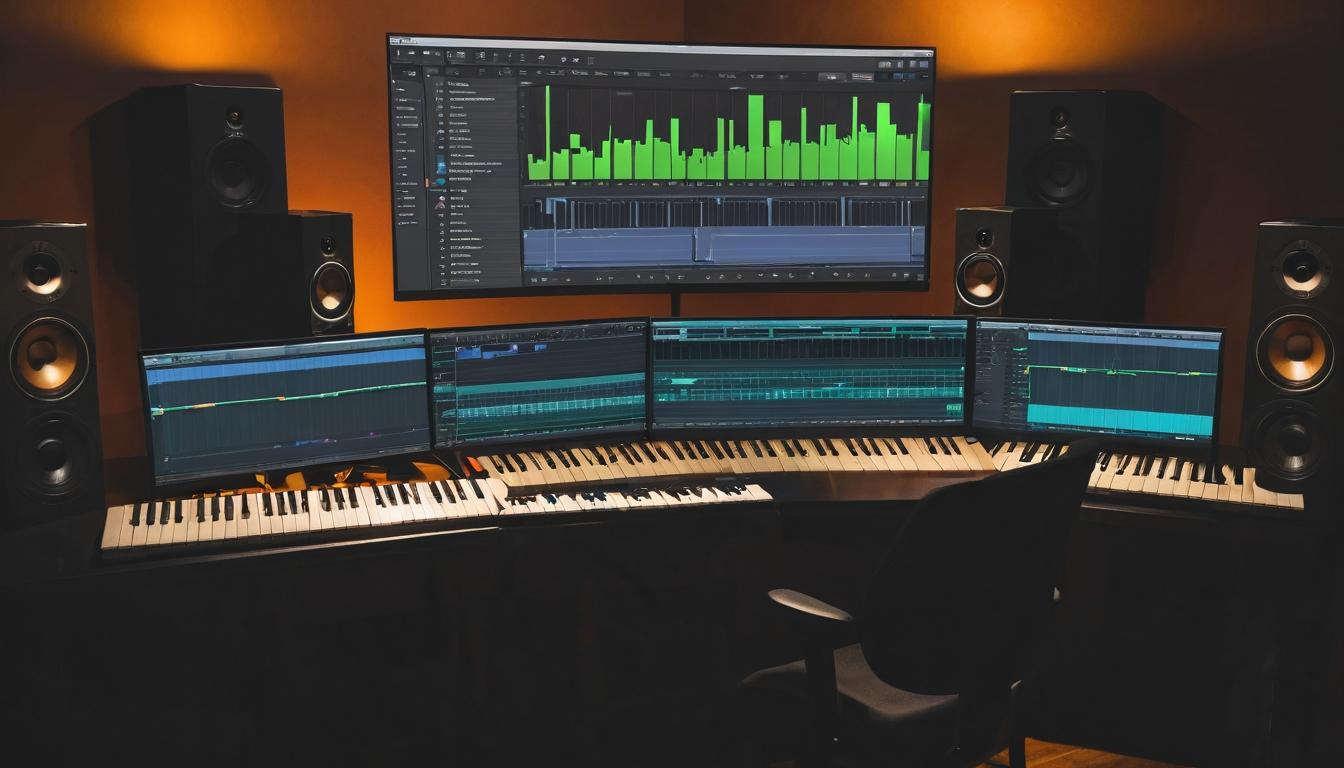
Meanwhile, the tools of the trade have evolved dramatically. Where a professional studio once required hundreds of thousands of dollars in equipment, today's composers can create broadcast-quality scores with a laptop, a few software instruments, and some clever microphone placement. This accessibility has led to an explosion of stylistic diversity, with influences ranging from ambient electronica to global folk traditions appearing in mainstream productions. The 'Hollywood sound' is no longer a monolith but a spectrum of possibilities, with each project seeking its unique audio identity.
Yet for all this innovation, traditional orchestral scoring isn't disappearing—it's evolving. Even big-budget franchise films are incorporating more electronic elements and unconventional instrumentation, while streaming services occasionally invest in full orchestra recordings for prestige projects. The result is a richer, more varied sonic palette than cinema has ever enjoyed. Film music isn't just background anymore; it's becoming a primary character in many stories, shaping narratives as powerfully as dialogue or cinematography.
The revolution happening in film scoring today mirrors larger changes in how we create and consume media. It's about accessibility, diversity, and the breaking down of barriers between different musical worlds. As composers continue to experiment with new technologies and collaborate across traditional boundaries, one thing seems certain: the next decade of film music will sound nothing like the last, and that's something worth listening for.
The hidden revolution in film scoring: how streaming and indie composers are changing Hollywood's sound