If you listen closely—really listen—to what's happening in today's movie theaters, you'll hear a quiet revolution. It's not in the dialogue or the sound effects, but in the musical scores that have become the unsung narrators of our cinematic experiences. While most audiences leave theaters humming themes or remembering visual spectacles, the real storytelling magic has shifted to composers who are dismantling conventions one note at a time.
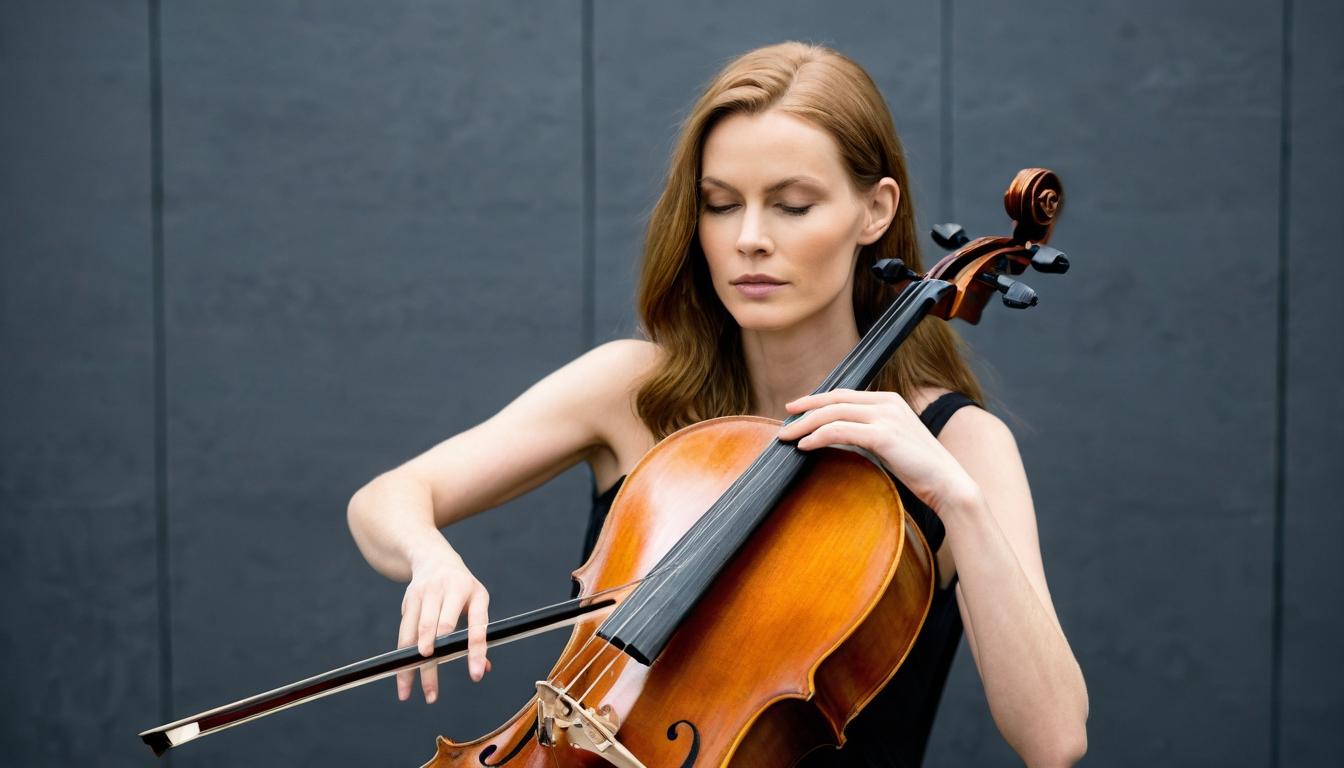
Gone are the days when a film score simply told you how to feel. The swelling strings when lovers reunite, the ominous brass when villains appear—these musical shortcuts have been replaced by something far more sophisticated. Composers like Hildur Guðnadóttir, who won an Oscar for her work on 'Joker,' aren't just accompanying scenes; they're creating psychological landscapes. Her score didn't mirror the action—it became the character's fractured psyche, using cello tones that felt less like music and more like audible anxiety.
This evolution represents a fundamental shift in how filmmakers view music's role. Directors now approach composers as co-writers rather than decorators. When Denis Villeneuve worked with Hans Zimmer on 'Dune,' they didn't discuss melodies—they spent days talking about the sound of sand, the biology of worms, and the silence of space. The resulting score doesn't have traditional themes you can whistle; instead, it creates an entire sonic ecosystem that makes Arrakis feel real before a single line of dialogue explains it.
What's particularly fascinating is how technology has democratized this revolution. Young composers working from home studios with digital instruments are creating scores that rival orchestral recordings. The synthetic textures in 'Everything Everywhere All at Once' by Son Lux didn't just save budget—they became the perfect expression of multiversal chaos. These tools allow for experimentation that would have been impossible (or prohibitively expensive) just a decade ago.
Yet for all the innovation, there's a counter-movement embracing minimalism. Some of today's most effective scores use restraint as their superpower. Look at 'A Quiet Place,' where Marco Beltrami's sparse notes feel like precious resources in a world where sound equals death. Or Mica Levi's work on 'Jackie,' which used microtonal shifts to create unease so subtle viewers couldn't pinpoint why they felt unsettled.
The streaming era has accelerated these changes in unexpected ways. Series like 'Succession' have theme music that became cultural touchstones, while limited series allow for musical arcs that develop over eight hours rather than two. Composers now think in seasons, creating musical DNA that mutates as characters evolve. Nicholas Britell's piano motif for the Roy family started as a symbol of gilded privilege but gradually accumulated dissonance as the siblings' relationships corroded.
Perhaps the most significant development is how film music has escaped the theater. Soundtrack albums now chart alongside pop releases, and composers sell out concert halls performing their scores live to film projections. This isn't just background music anymore—it's become a primary artistic product. Fans dissect leitmotifs on Reddit threads and create YouTube essays analyzing how a single chord progression traces a character's journey.
What does this mean for the future? We're seeing the erosion of boundaries between score, sound design, and even silence. The next frontier might be interactive scores for streaming platforms that change based on viewer choices, or AI-assisted composition that helps creators find sounds for emotions we don't even have words for yet.
One thing remains constant: the best film music still does what it's always done—connect us to stories on a visceral level. The methods have changed, the tools have evolved, but that magical alchemy of image and sound continues to redefine what's possible in storytelling. The revolution isn't coming; it's already here, playing in theaters near you, if you only listen.
The hidden revolution: how modern film composers are rewriting the rules of storytelling