If you think film music still means John Williams' brass fanfares or Ennio Morricone's haunting melodies echoing through empty landscapes, you're living in yesterday's cinema. Wander through the digital corridors of today's most insightful film music publications—from Film Music Magazine's industry analysis to Soundtrack Geek's fan-driven deep dives—and you'll discover a quiet revolution happening in scoring stages from Los Angeles to Reykjavík. This isn't about replacing orchestral traditions; it's about expanding what's possible when picture meets sound.
What emerges from conversations with working composers is a deliberate dismantling of genre boundaries. The composer who scores a superhero blockbuster one month might be creating abstract electronic textures for an indie drama the next. This fluidity reflects a fundamental shift: directors now seek sonic identities rather than genre templates. When asked about this trend, multiple composers mentioned the same turning point—the moment filmmakers stopped requesting 'something like Hans Zimmer' and started asking for 'something only you can create.'
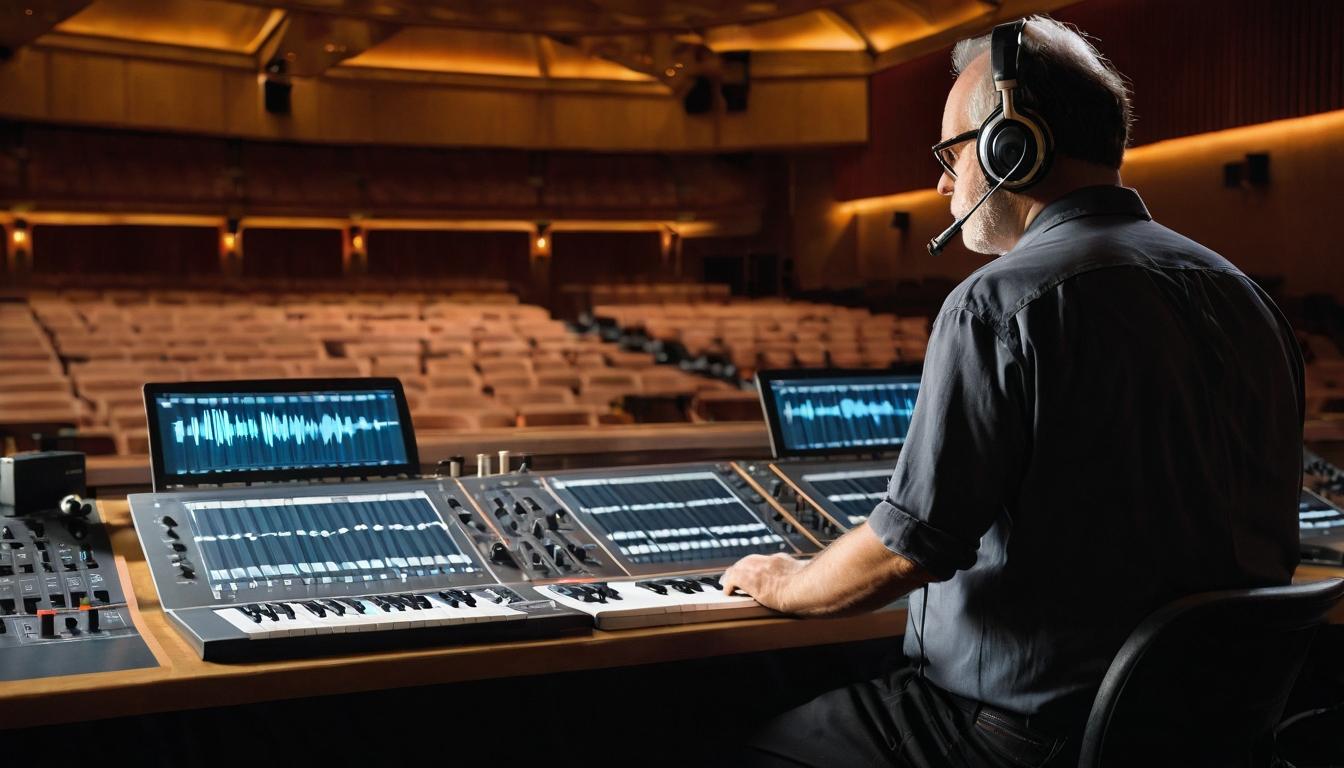
The tools of this revolution are as diverse as its practitioners. While some still swear by pencil and manuscript paper, others build custom software instruments that respond to actors' facial expressions or environmental data. One composer described converting weather patterns from a film's shooting locations into harmonic material; another discussed using AI not to generate music, but to analyze emotional arcs across decades of cinema to identify unexplored sonic territory. This technological embrace isn't about replacing human creativity, but about giving composers new languages to speak.
Perhaps most surprisingly, this sonic revolution is being driven by audience demand. Data from streaming platforms reveals that listeners increasingly seek out complete scores rather than just main themes, with some film soundtracks outperforming pop albums in certain demographics. This has created a feedback loop: as audiences become more sophisticated listeners, composers feel empowered to take greater risks. The result is scores that don't just support narratives, but actively converse with them—sometimes even contradicting what's on screen to reveal deeper truths.
Yet for all this innovation, the community remains surprisingly connected. Online forums dissect new releases with academic rigor, while physical events like recording sessions have become communal experiences shared via social media. This transparency has demystified the process, revealing film scoring not as magical inspiration but as disciplined craft—a revelation that has inspired new generations to enter the field with both reverence for tradition and hunger for innovation.
What does this mean for the future of cinema? The most compelling evidence comes from films already in production. Multiple sources report directors allocating larger portions of budgets to experimental sound design, while composers are being brought into projects earlier than ever—sometimes during script development. This collaborative shift suggests we're moving toward a new paradigm where sound isn't added to picture, but grows organically with it from conception to final mix.
The revolution won't be televised with dramatic pronouncements or manifesto publications. You'll hear it in the subtle hum beneath a dialogue scene that wasn't there five years ago, in the decision to score a car chase with solo cello instead of percussion, in the theater seats where viewers stay through the credits just to keep listening. It's happening note by note, film by film, in the spaces between what we expect and what we discover when we truly listen.
The hidden revolution: how modern film composers are rewriting Hollywood's sonic rulebook