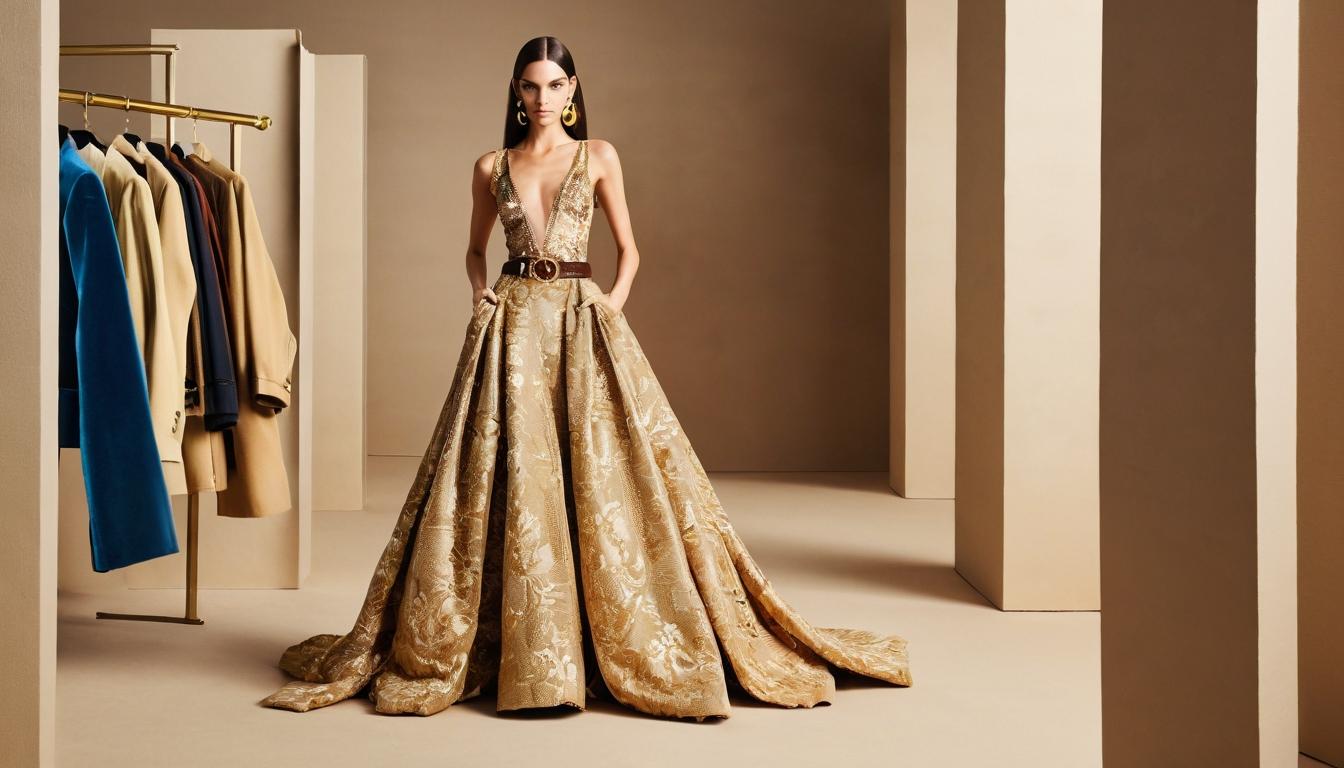
In the hushed corridors of luxury fashion houses, a silent tremor is being felt. It’s not coming from the runway or the latest influencer campaign, but from the growing, unstoppable wave of secondhand and vintage shopping. What was once considered a niche, almost secretive hobby for fashion insiders has erupted into a multi-billion dollar industry, fundamentally challenging the very premise of ‘new’ as the ultimate luxury. This isn't just about thrifting; it's a cultural recalibration of value, history, and personal style that the traditional fashion calendar is struggling to keep up with.
Walk into a curated vintage boutique in New York or scroll through the meticulously organized digital racks of platforms like The RealReal and Vestiaire Collective, and you’ll find more than just old clothes. You’ll find stories. A pristine 1990s Helmut Lang motorcycle jacket isn't merely leather and zippers; it's a piece of minimalist history. A beaded flapper dress from the 1920s whispers of jazz age rebellion. This narrative element—the provenance, the previous life—is becoming a coveted part of the luxury experience itself, something a freshly unpacked garment from a boutique simply cannot replicate. The hunt, the discovery, the unique character of a pre-loved piece are now central to its desirability.
This shift is being driven by a powerful convergence of forces. The sustainability conversation, once a sidebar, is now front and center. Consumers, especially younger generations, are acutely aware of fashion's environmental footprint. Choosing secondhand is a direct, tangible action against waste and overproduction. It’s fashion activism with a credit card. Simultaneously, the rise of social media and personal branding has democratized style. People are no longer looking to dress from a single seasonal collection head-to-toe; they are building eclectic, personal archives. A vintage Levi’s jacket paired with a modern Bottega Veneta bag isn't a fashion faux pas—it's a style statement that signals knowledge and individuality.
The industry's response has been fascinating to watch. Some legacy brands initially viewed the resale market as a threat, a dilution of their carefully controlled brand image. Now, many are racing to participate. Gucci has partnered with The RealReal. Burberry and Stella McCartney have launched official resale programs. This isn't charity; it's smart business. By entering the circular economy, they capture value from their own products a second (or third) time, engage with a new customer base, and burnish their sustainability credentials. It’s a strategic embrace of a trend they can no longer ignore.
Yet, this revolution isn't without its shadows and complexities. The very popularity of secondhand has driven prices for certain iconic vintage pieces to astronomical levels, potentially pricing out the very communities that nurtured vintage culture. The labor practices within some large-scale sorting and resale operations have come under scrutiny. And there’s a lingering tension: does the corporatization of ‘pre-loved’ fashion strip it of its subversive, anti-establishment soul? When every major brand has a resale arm, does the act lose its counter-cultural power?
Perhaps the most profound change, however, is psychological. We are moving from a culture of disposability to one of curation. The modern fashion enthusiast is less a passive consumer and more an archivist, a historian, and a stylist rolled into one. The value is placed not on momentary novelty, but on longevity, quality, and narrative. The ‘it’ bag is being rivaled by the ‘found’ treasure. This quiet revolution suggests a future where the most fashionable thing you can own isn't the latest release, but the piece with the most compelling past—and the potential for a long, storied future. The wardrobe is becoming less a snapshot of a season and more a living museum of self-expression, where every garment has a tale to tell.
The quiet revolution of sustainable fashion: How secondhand is reshaping luxury