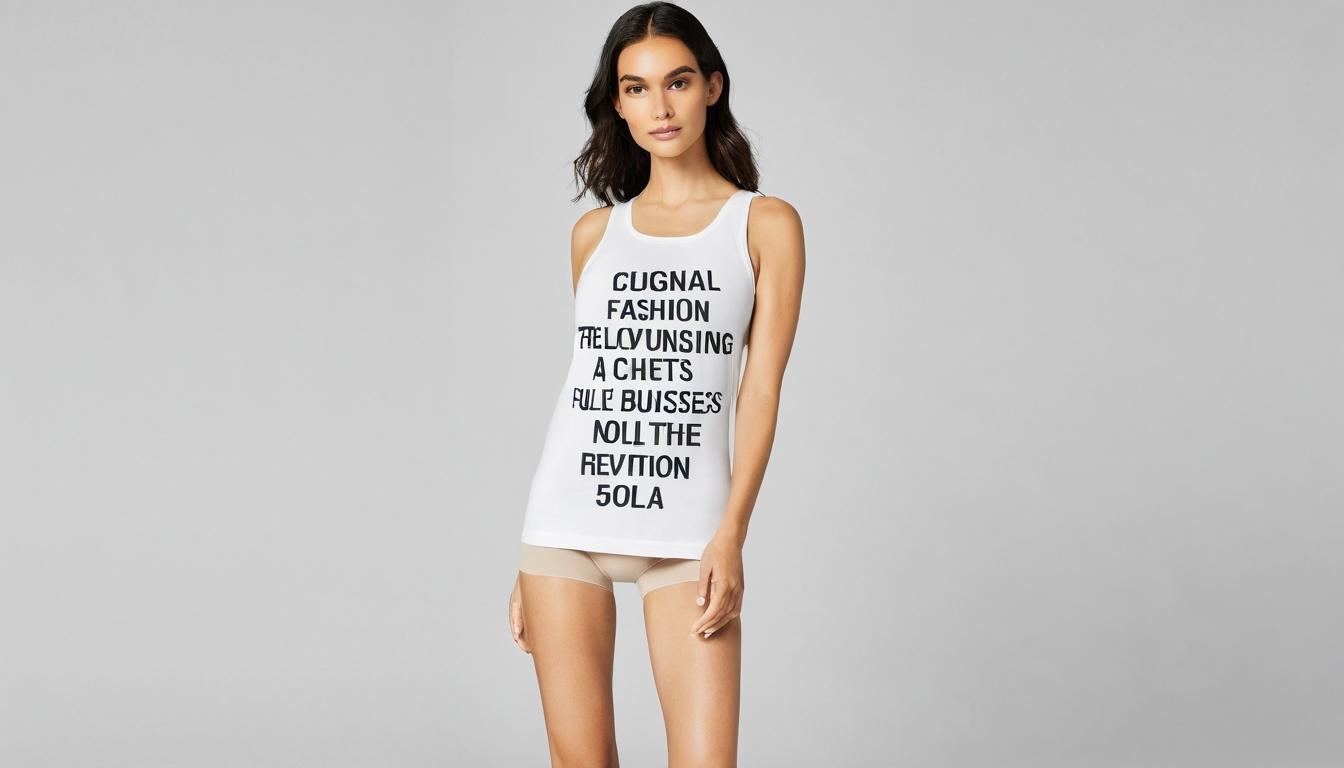
Walking through the glossy pages of Vogue or scrolling through Elle's digital spreads, you'd be forgiven for thinking sustainable fashion still lives in the realm of hemp tunics and beige linen. The imagery persists—earthy tones, minimalist silhouettes, that particular shade of ecru that whispers "I care about the planet" rather than shouts it. But something has shifted beneath the perfectly curated surface, a tectonic movement that fashion media has been slow to map.
Over at Harper's Bazaar, between the couture spreads and celebrity profiles, you might catch glimpses of it—a mention of regenerative agriculture in a farm-to-closet feature, a designer talking quietly about circularity rather than just recycling. The Cut occasionally dissects the economics, revealing how traditional luxury houses are quietly acquiring sustainable startups while maintaining their mainstream branding. Yet the full story remains fragmented, like finding pieces of a puzzle scattered across different publications without the complete picture ever emerging.
What's actually happening feels more like espionage than evolution. Visit Fashionista's business coverage or Refinery29's deeper dives, and you'll find evidence of what industry insiders call "stealth sustainability"—brands that look, feel, and price like conventional fashion but operate on completely different principles. They're not marketing their ethics as their primary selling point; they're letting the clothes speak first. The quality, the design, the wearability all come before the sustainability story, which exists more in the footnotes than the headlines.
This represents a fundamental shift in strategy. For years, sustainable fashion occupied a niche corner where ethics trumped aesthetics, where buyers made compromises in style to align with values. Now, the most interesting developments are happening with brands that refuse to make you choose. They've studied what makes garments desirable—the weight of fabric, the precision of stitching, the way color catches light—and built their sustainable practices around those non-negotiables rather than in opposition to them.
Materials tell part of the story. Forget the scratchy recycled polyester of yesteryear. The innovation happening at textile labs reads like science fiction: leather grown from mushroom roots that feels indistinguishable from the animal-derived original, silk proteins harvested through fermentation rather than silkworms, dyes made from food waste that produce colors more vibrant than chemical alternatives. These aren't hypotheticals—they're already in production, just not at the scale that would draw mainstream media attention.
The manufacturing revolution is equally quiet but profound. Small-batch production facilities using solar power and closed-loop water systems operate in the same industrial districts as fast fashion factories. The difference isn't visible from the street—it's in the accounting, the energy sourcing, the worker ownership models. These facilities often produce for multiple brands, some sustainable, some conventional, creating a hybrid ecosystem where best practices slowly diffuse through the industry without fanfare.
Perhaps most surprisingly, the pricing structure of this new sustainable fashion defies expectations. While some pieces carry the premium associated with ethical production, many brands have found efficiencies that allow them to compete directly with mid-range conventional fashion. They achieve this not through exploitation but through innovation—direct-to-consumer models that eliminate markups, timeless designs that don't require seasonal reboots, community repair programs that extend garment life while building customer loyalty.
The aesthetic itself has evolved beyond the predictable. Yes, there are still neutral palettes and minimalist lines for those who prefer them, but you'll also find bold prints, body-conscious silhouettes, and experimental textures. The sustainable fashion scene has developed its own trends, its own tastemakers, its own visual language that references but doesn't replicate mainstream fashion cycles. It's developing parallel to the traditional industry rather than merely reacting to it.
What makes this movement particularly compelling is its rejection of purity politics. Unlike earlier waves of ethical fashion that demanded ideological commitment, this iteration acknowledges complexity. A brand might use both conventional and innovative materials, might produce some items locally and others globally, might prioritize different aspects of sustainability at different times. The approach is pragmatic rather than dogmatic, focused on measurable impact rather than perfect alignment with abstract principles.
Consumer behavior is changing too, though not in the ways most coverage suggests. It's less about dramatic lifestyle overhauls and more about subtle shifts—buying fewer but better items, learning basic repair skills, participating in clothing swaps with friends. The most sustainable garment, after all, is the one already in your closet. This practical approach to consumption represents a quiet rebellion against both fast fashion disposability and the performative perfectionism of earlier sustainable fashion marketing.
Looking forward, the most interesting question isn't whether sustainable fashion will go mainstream—it already is, just not in the form we expected. The real story is how it will reshape the entire industry from within, influencing everything from textile innovation to retail models without necessarily announcing itself. Like mycelium networks connecting trees underground, these changes are creating connections and exchanges beneath the visible surface of fashion.
The revolution won't be televised in a season finale of a makeover show or splashed across magazine covers with dramatic headlines. It's happening in research labs, in small factories, in the quiet decisions of designers who believe beautiful clothes and ethical production aren't mutually exclusive. And perhaps that's the most sustainable approach of all—creating change so integrated, so desirable, so normal that it doesn't need to shout to be heard.
The quiet revolution in sustainable fashion: Why your next favorite brand might not be what you think