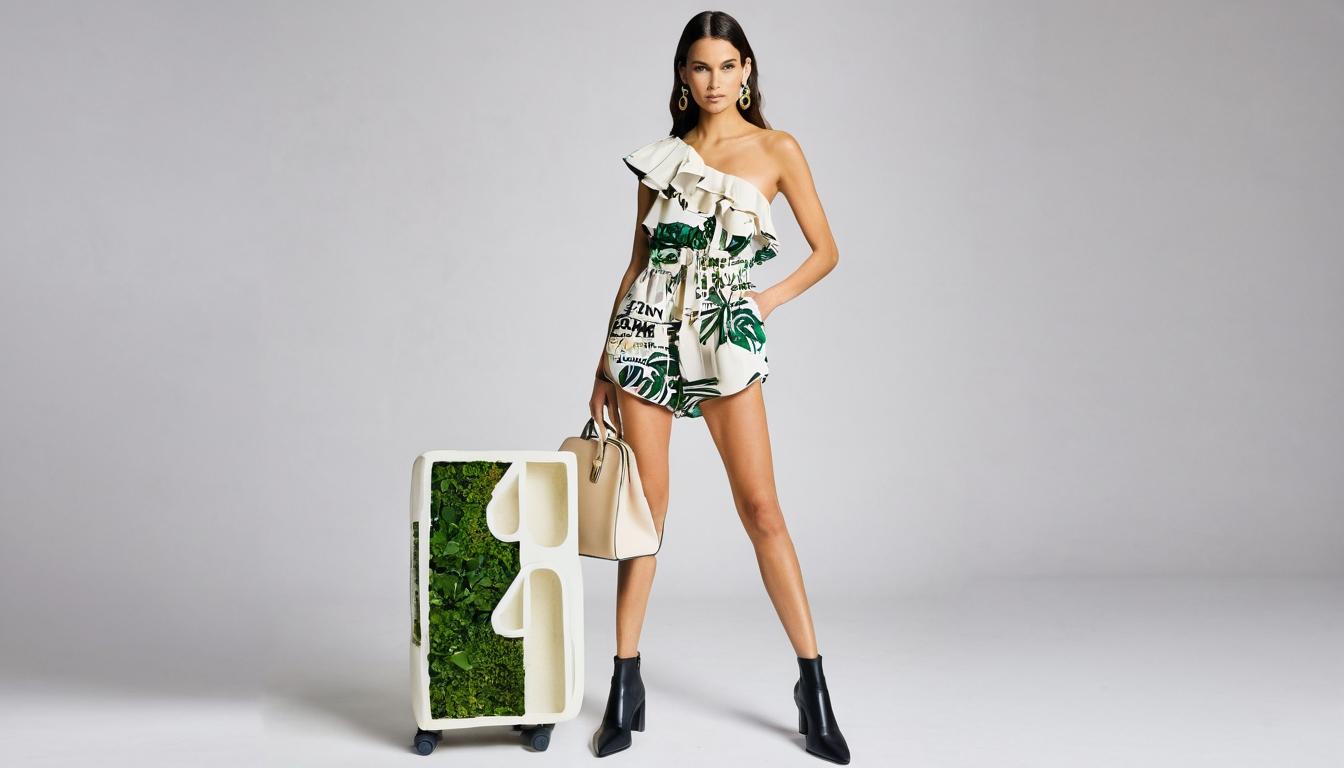
In the hushed ateliers of Milan and the minimalist showrooms of Copenhagen, a seismic shift is unfolding—one that luxury fashion houses aren't broadcasting with megawatt runway shows or celebrity-studded campaigns. Instead, it's happening in the laboratories where scientists are developing mushroom leather, in the archives where designers are resurrecting deadstock fabrics, and in the supply chains where transparency is becoming the new currency of cool. This isn't just another trend cycle; it's a fundamental reimagining of what luxury means in an age of climate consciousness.
Walk into any major fashion week after-party this season, and you'll notice something peculiar: the most coveted accessories aren't the latest It-bags, but the stories behind them. "This jacket? It's made from recycled ocean plastic," someone might casually mention, the statement carrying more social weight than any logo ever could. Brands that once built empires on exclusivity are now racing to prove their inclusivity—not in terms of price points, but in environmental and ethical accountability. The quietest revolution in fashion history is being measured in carbon footprints rather than column inches.
What makes this movement particularly fascinating is how it's dismantling fashion's traditional hierarchies. Emerging designers in Lagos are pioneering zero-waste techniques that Parisian couture houses are now studying. A small brand in Portland might perfect a compostable sneaker before a sportswear giant manages to scale similar technology. The innovation isn't flowing from the top down anymore; it's bubbling up from everywhere, creating a democratization of sustainable thinking that's reshaping the entire industry landscape.
Yet for all the progress, contradictions abound. The same brands launching "conscious" collections continue to produce dozens of seasonal drops. Greenwashing has become so sophisticated that even seasoned journalists struggle to separate meaningful change from marketing spin. The tension between capitalism and conservation creates fascinating dilemmas: Can you truly be sustainable while still driving consumption? How do you balance artistic expression with environmental responsibility? These aren't theoretical questions—they're the daily negotiations happening in design studios worldwide.
Perhaps most surprisingly, this sustainability push is creating unexpected aesthetic innovations. The constraints of working with recycled materials or limited natural dyes are forcing designers into creative breakthroughs they might never have discovered otherwise. That orange hue everyone's wearing this season? It came from experimenting with food waste pigments. Those textured fabrics feeling fresh and new? They're the result of upcycling industrial materials. Limitations, it turns out, can be remarkably liberating for creativity.
The financial implications are equally transformative. Investment is flooding into sustainable tech startups at unprecedented rates. Venture capitalists who once only looked at social media platforms are now funding companies developing lab-grown silk and AI-powered supply chain tracking. The luxury customer of 2024 isn't just buying a product; they're investing in an ecosystem—and they're doing their due diligence before they swipe their cards.
What emerges from all this is a new fashion language, one where value is measured in multiple dimensions: aesthetic appeal, certainly, but also environmental impact, social responsibility, and longevity. The most forward-thinking brands aren't just selling clothes; they're offering membership into a philosophy. That handbag isn't merely an accessory—it's a statement about the world you want to inhabit, a tangible connection to specific people and places in its supply chain, and a commitment to circularity when its life eventually ends.
This revolution's quietness is deceptive. Beneath the surface, entire business models are being rebuilt, design processes reinvented, and consumer relationships renegotiated. The fashion industry has always been a mirror reflecting society's values back at itself. What we're seeing now isn't just a reflection—it's a preview of how luxury might survive and thrive in a world that can no longer afford thoughtless beauty. The most exclusive thing you can wear today isn't a logo; it's a clear conscience, and that's changing everything from the runway to the retail floor.
The quiet revolution: How sustainable fashion is rewriting the luxury rulebook