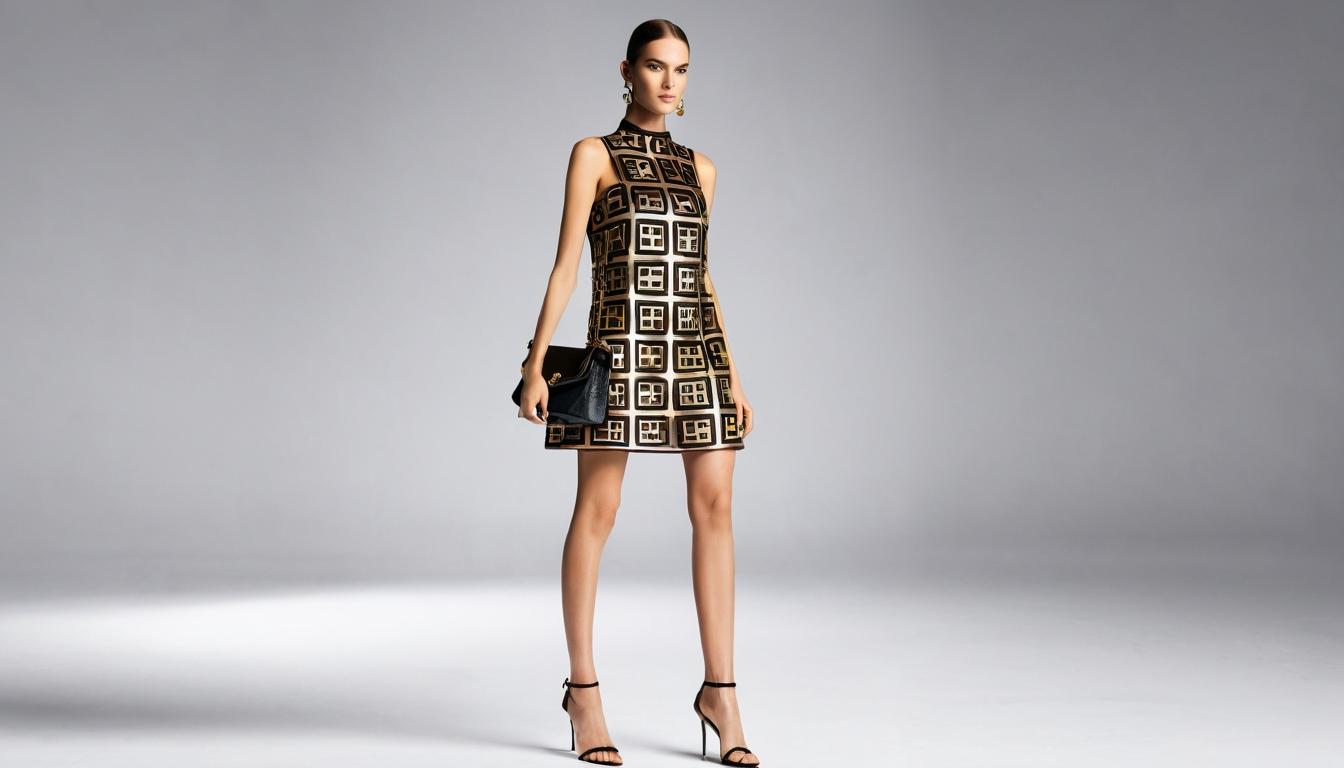
In the hushed ateliers of Milan and the minimalist showrooms of Copenhagen, a seismic shift is occurring—one that luxury fashion houses aren't broadcasting in their glossy campaigns. While heritage brands still tout their centuries-old craftsmanship, a new generation of designers, suppliers, and conscious consumers are quietly dismantling the very foundations of what 'luxury' means. This isn't about bamboo handbags or recycled polyester dresses making cameo appearances in seasonal collections. This is a fundamental reimagining of value, where transparency trumps exclusivity, and environmental impact statements carry more weight than celebrity endorsements.
For decades, the fashion industry operated on a simple equation: scarcity plus heritage equals desire. A Birkin bag's value lay in its waiting list; a Chanel tweed jacket's in its storied history. But walk into a showroom today, and the questions have changed. Buyers for major retailers—the very gatekeepers of style—are now as likely to inquire about a fabric's carbon footprint as its thread count. They want supply chain maps, not just mood boards. This shift isn't driven by marketing departments chasing a 'green' trend, but by a data-driven realization: the next generation of luxury consumers, millennials and Gen Z, are voting with their wallets, and their ballots demand accountability.
This accountability is manifesting in unexpected places. Consider the humble cotton shirt. Traditionally, luxury meant Egyptian cotton with a high thread count. Now, pioneering brands are diving deeper, tracing that cotton back to specific farms, quantifying water usage, and ensuring fair wages at every stage. The new luxury label isn't just a logo; it's a QR code that tells the garment's entire life story. This hyper-transparency creates a different kind of exclusivity—not of price, but of principle. You're not just buying a shirt; you're buying into a verified ethical ecosystem.
Material innovation is where this revolution gets truly radical. Forget organic cotton—that's table stakes now. Laboratories are growing leather from mushrooms, spinning yarn from fermented algae, and developing dyes from food waste. These aren't niche, crunchy experiments. Major conglomerates are investing millions, acquiring bio-tech startups, and partnering with material scientists. The goal? To decouple luxury from animal products and petroleum-based synthetics entirely, creating a new material lexicon that is both opulent and regenerative. The feel of a mushroom leather jacket, its texture and drape, is being crafted to rival the finest calfskin, challenging the very sensory expectations of luxury.
Perhaps the most profound change is occurring behind the scenes, in the business models themselves. The traditional fashion calendar—with its relentless cycle of Fall/Winter, Spring/Summer, and countless pre-collections—is being questioned for its environmental toll. A growing chorus of designers and executives are advocating for 'seasonless' or 'circular' models. This means creating fewer, better garments designed to last for years, complemented by robust repair, rental, and resale programs directly operated by the brands. Luxury is becoming a service, a long-term relationship with an object, not a fleeting transaction. The most exclusive item in your closet may soon be the one you've loved and repaired for a decade, its patina a testament to its true value.
This quiet revolution faces significant hurdles. Greenwashing—the practice of making misleading sustainability claims—is rampant, confusing consumers and diluting genuine progress. Scaling innovative materials and ethical supply chains to meet global demand remains a colossal technical and financial challenge. And the entrenched interests of the old guard, with its billions tied to traditional systems, are not yielding without a fight.
Yet, the momentum is undeniable. From the boardrooms of Paris to the sewing studios of Los Angeles, a new definition of luxury is being stitched together. It's a definition where beauty is inseparable from responsibility, where craftsmanship honors both artisan and planet, and where the truest status symbol isn't a logo you can see, but an impact you can't. The revolution may be quiet, but its implications are roaring, promising to reshape not just what we wear, but why we wear it, from the skin out.
The quiet revolution: how sustainable fashion is rewriting luxury's rulebook